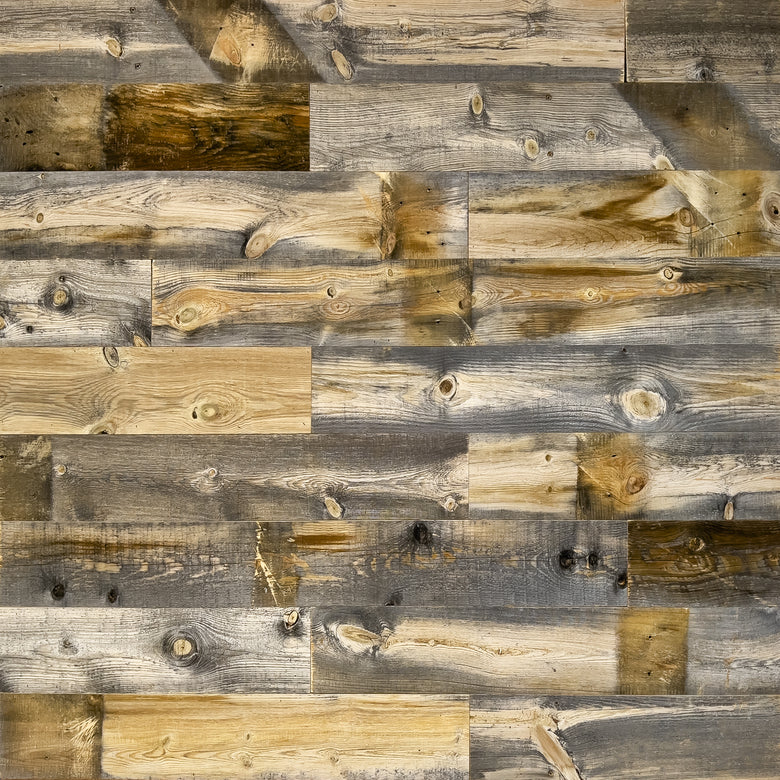
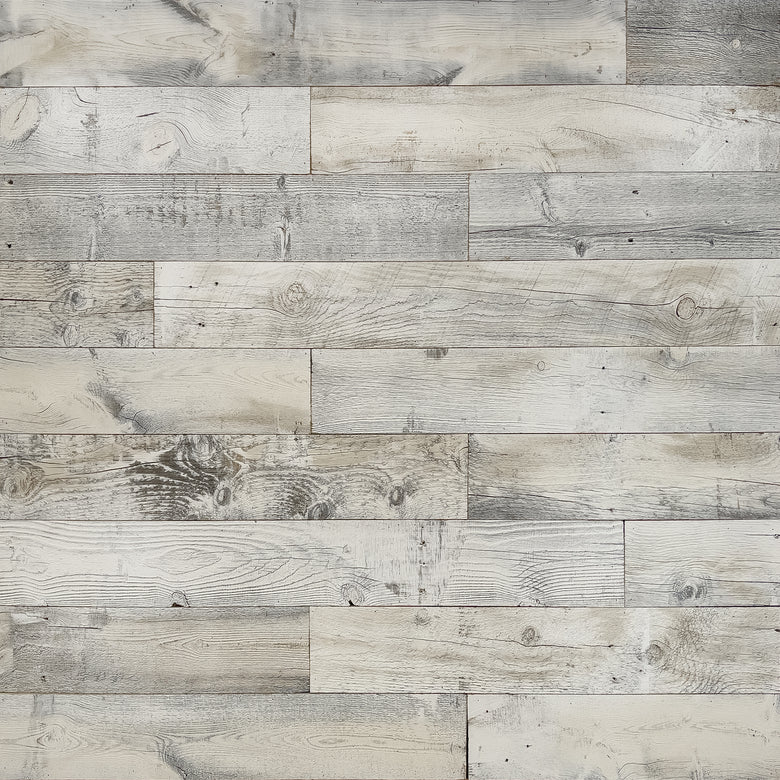
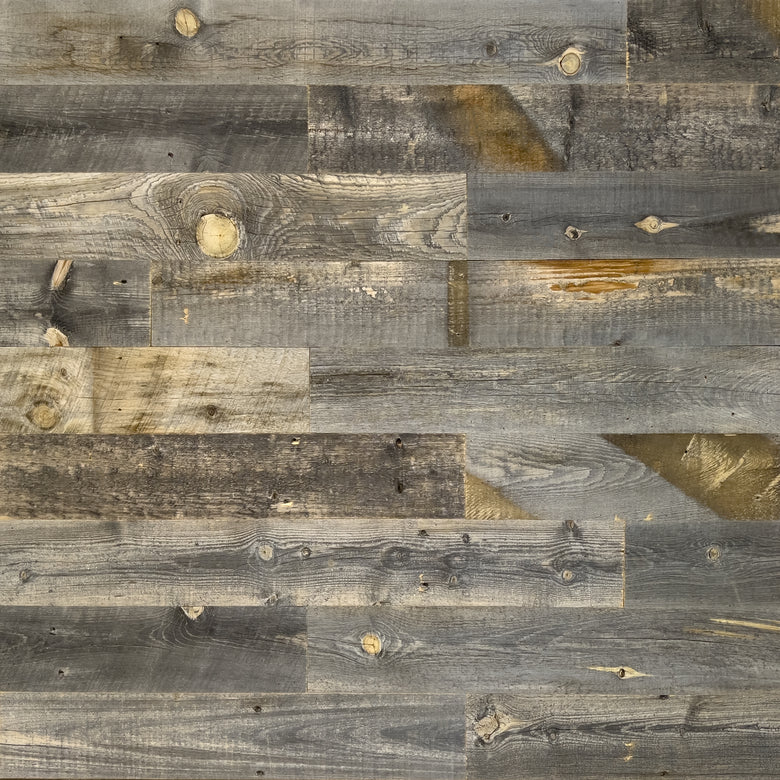
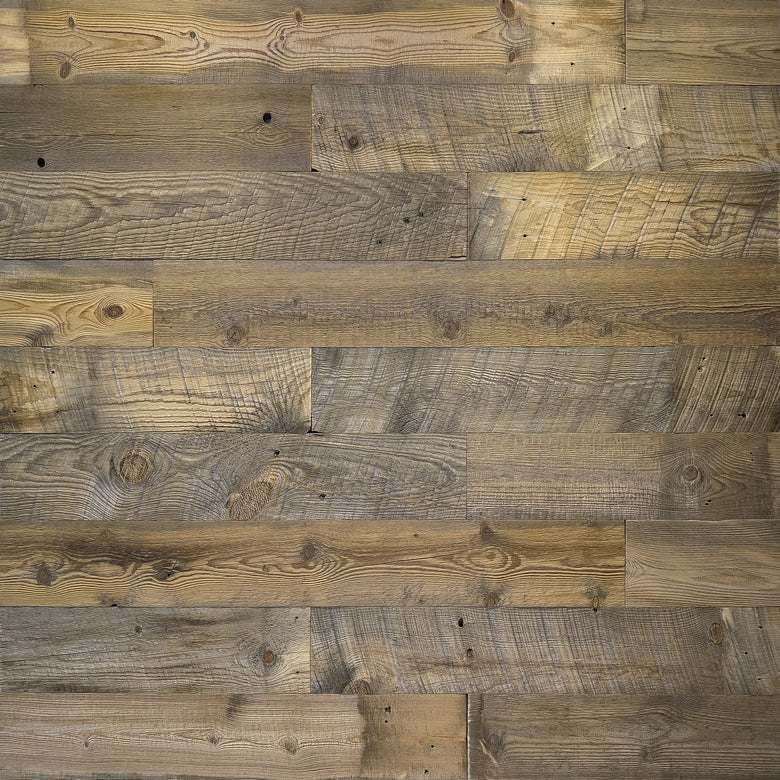
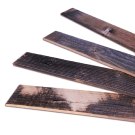
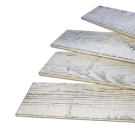
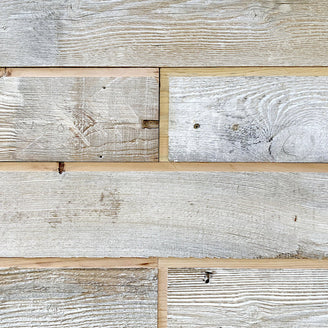
Reclaimed wood siding on a modern rustice house in the Cheyenne finish on an exterior by Eide Homes in Cle Elum, WA|gallery_img product_siding cheyenne_color use_walls application_exterior type_residential

Exploring Different Types of Siding for a Home

At a Glance:

  • Vinyl Siding
  • Wood Siding

  • Fiber Cement

  • Metal Siding

  • Brick Siding

  • Stone Veneer

  • Stucco

  • Composite Siding

Choosing the right siding shapes how a home looks and performs in different climates. Siding impacts durability, curb appeal, energy efficiency, and long-term protection for the home’s exterior.

When comparing siding options, homeowners must consider not only the siding material, such as vinyl, fiber cement, or wood, but also board width, profile, and orientation. These details affect how the wall handles harsh weather, how much labor installation takes, and the final appearance.

What Homeowners Should Know About Types of Siding

How Siding Protects a Home

Siding is the first line of defense for residential homes. It helps shield against moisture, wind, insects, and extreme temperatures. It also supports energy efficiency by improving insulation.

Different siding materials perform differently in harsh weather conditions. Some resist humidity and rain, while others thrive in dry or cold climates. Knowing how each type of siding reacts to the environment helps guide the right choice.

Factors That Guide Siding Choices

When selecting new siding, homeowners often compare:

  • Appearance and curb appeal: Color, grain, and profile shape the home’s exterior

  • Durability and fire resistance: How well each siding material holds up against impact, aging, and fire

  • Maintenance needs: Low maintenance vs. proper maintenance like repainting or staining

  • Climate fit: Extreme temperatures, moisture, or high winds all impact performance

  • Installation and labor costs: Some materials install faster, lowering cost per square foot

  • Board width and reveal: Narrow or wide boards influence both style and labor

Comparing the Most Common Types of Siding

Infographic displaying the 8 types of siding: vinyl, wood, fiber cement, metal, brick, stone veneer, stucco, composite

Vinyl Siding

Vinyl siding is a popular option for its affordability and low maintenance. Made from polyvinyl chloride (PVC), it resists moisture, rot, and insects. Vinyl is lightweight, easy to install, and available in many colors. For homeowners seeking durable exterior siding with little maintenance, vinyl siding is a reliable, popular choice.

Wood Siding

Wood siding brings warmth and natural texture, adding timeless curb appeal. Natural wood siding features unique grain and color variation that can’t be replicated with synthetic materials. It’s available as lap boards, shingles, or shakes and suits many architectural styles. Regular maintenance, such as sealing or staining, is important, especially in harsh weather. With proper maintenance, wood siding offers long-lasting beauty and insulation value.

Fiber Cement Siding

Fiber cement siding, made from Portland cement and cellulose fiber, combines durability with design flexibility. It offers profiles that resemble natural wood while resisting fire, insects, and moisture. Fiber cement performs well in extreme temperatures and is a good choice for homeowners wanting a natural look with less upkeep.

Metal Siding

Metal siding includes steel siding and aluminum siding. Steel siding offers impact strength and rigidity, while aluminum siding is lightweight and corrosion-resistant. Metal siding gives homes a sleek, modern exterior and performs well in areas prone to wind, hail, or harsh weather conditions. It also offers low maintenance and long-term durability.

Brick Siding

Brick siding provides classic style, excellent fire resistance, and long-term strength. It performs well and holds color over time. While installation can increase labor costs, brick siding usually requires little maintenance after it’s in place, making it a durable investment for residential homes.

Stone Veneer Siding

Stone veneer siding delivers the look of natural stone at a lighter weight and lower cost. It adds depth and texture and can be used as full cladding or as an accent around foundations or entryways. For those wanting the beauty of natural stone without the weight or expense, stone veneer siding is a smart alternative.

Stucco Siding

Stucco siding, a mix of cement, sand, and water, creates a smooth, continuous surface that handles dry climates well. It can be tinted to many colors and suits both traditional and modern homes. With proper maintenance to prevent cracking, stucco siding can last for decades.

Composite Siding

Composite siding combines wood fibers or wood pulp with resins to mimic natural wood. It provides stability and low maintenance while retaining a natural look. Composite siding works well for homeowners who like the appearance of wood without the same upkeep requirements.

Considering Board Width: Impact on Appearance, Labor, and Performance

When choosing siding, board width is an important factor to consider, as it affects both the appearance and installation process. The width of the boards can impact the overall aesthetic, labor requirements, and long-term performance of the siding.

Why Some Prefer Wide Planks

  • Coverage per board: Wider boards cover more area per piece, which can result in faster installation and reduced labor costs

  • Aesthetic preference: Wider planks can create a bolder, more modern look for the home’s exterior

  • Beam wraps and interiors: Wider boards are often used to match the dimensions of exposed beams or feature walls in interior spaces.

Tradeoffs of Wider Boards

  • Stability: Wider planks can be more prone to cupping or warping, especially if they are not properly dried before installation

  • Inconsistency: Salvaged barnwood and reclaimed lumber can vary in size and quality, potentially adding extra work for preparation

  • Alternatives: While faux-weathered materials are available, they may not offer the same authentic appearance and longevity as natural, weathered wood.

Does Width Change the Overall Look?

Once installed across an entire home, the visible difference between 6", 8", and 10" boards is often minimal. The texture, color, and finish of the siding material usually have a greater impact on the overall appearance. For many homeowners, factors like stability and long-term performance are more important considerations than a few extra inches in board width.

How Siding Performs in Real Conditions

Image of a house with snow and icicles with wood siding

Durability and Fire Resistance

Brick siding, fiber cement siding, and metal siding perform well in extreme temperatures and heavy use. Fiber cement and brick offer strong fire resistance, while metal siding resists both heat and flames. Natural wood siding can be treated with fire-rated coatings for added protection.

Energy Efficiency and Weather

Energy efficiency depends on both the siding and what’s behind it. Insulated backings can reduce heat transfer, while color choice can help reflect or absorb heat depending on the climate. Metal siding and fiber cement handle harsh weather well. Natural wood performs best when maintained and sealed properly.

Maintenance Expectations

  • Vinyl siding: Occasional washing

  • Fiber cement siding: Repainting every 10–15 years

  • Metal siding: Basic cleaning to protect finish

  • Brick and stone veneer siding: Occasional mortar checks

  • Natural wood siding: Sealing or staining as part of maintenance

  • Composite siding: Designed for low maintenance but still benefits from periodic inspection

Design Styles, Profiles, and Applications

Common Profiles

  • Lap siding: Overlapping horizontal boards in vinyl, fiber cement, or wood—classic and versatile

  • Board and batten siding: Vertical boards with narrow battens covering seams for a bold, rustic look

  • Shingles and shakes: Individual pieces that add rich texture, often used on gables or accent walls

Regional Trends in the United States

  • Northeast: Fiber cement, cedar, and stone veneer siding

  • Midwest: Vinyl and metal siding for durability and value

  • South: Brick and stucco siding for heat and humidity

  • West: A mix of wood siding, fiber cement, and composite siding for varied climates

Benefits of wood siding: durability, aesthetic, efficency, appearance, sustainable/renewable, easy to repair

Centennial Woods: Why Choose Reclaimed Wood Siding

For homeowners wanting exterior siding with authentic, natural character, reclaimed wood siding offers timeless appeal. Each board tells a story, showcasing real weathering, texture, and depth that man-made materials can’t replicate.

Reclaimed Wood with Natural Aging

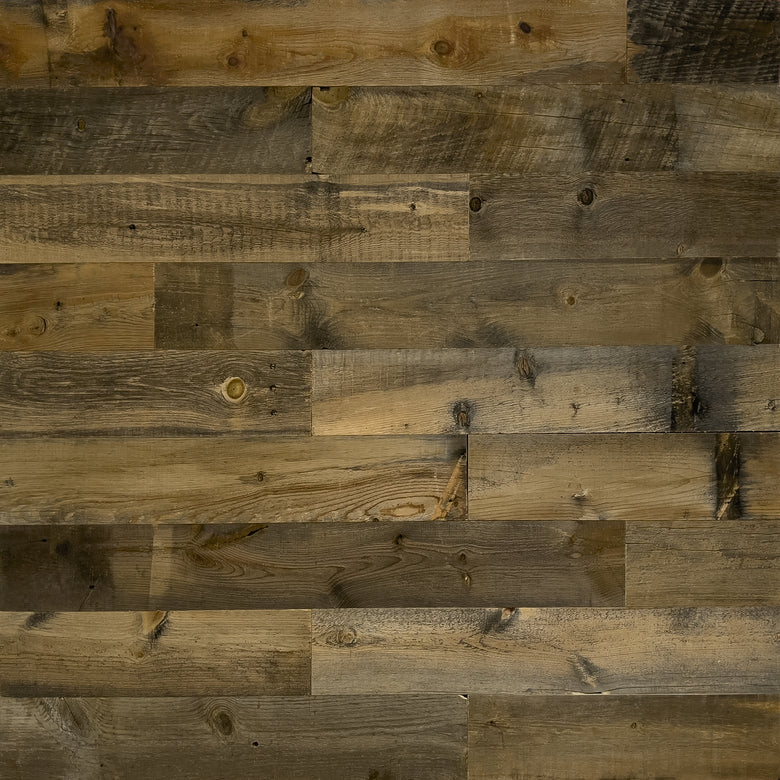
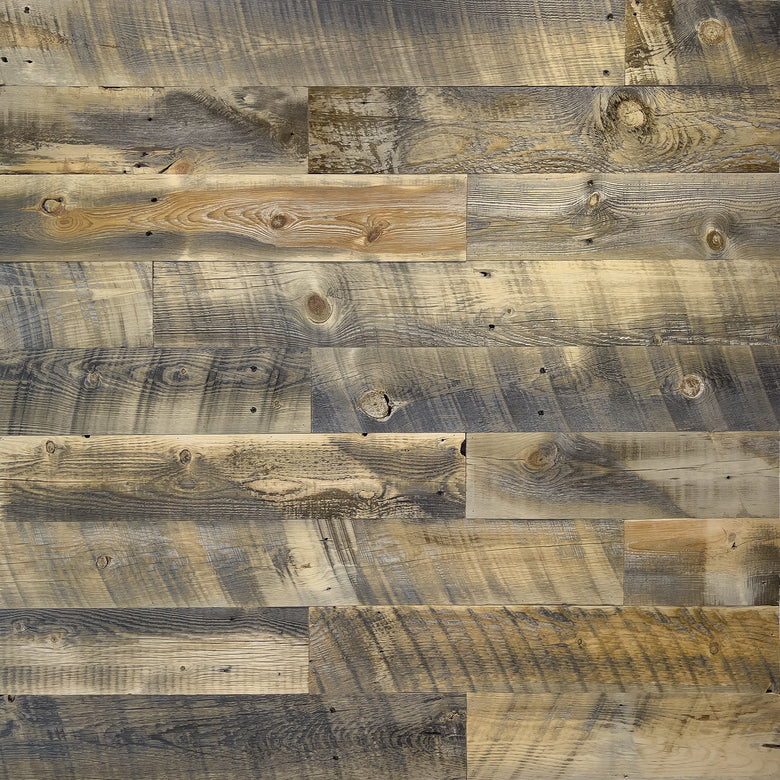
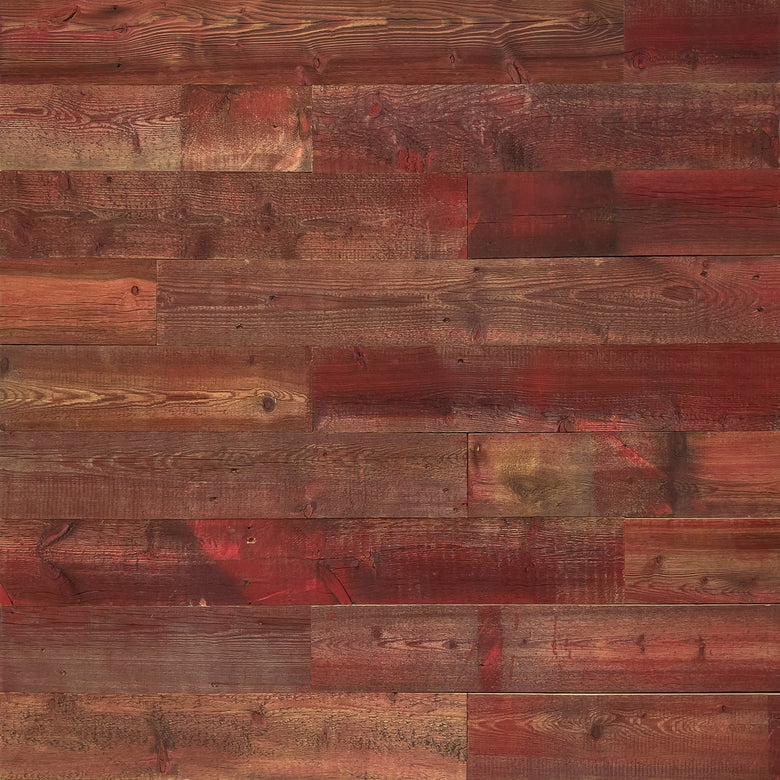
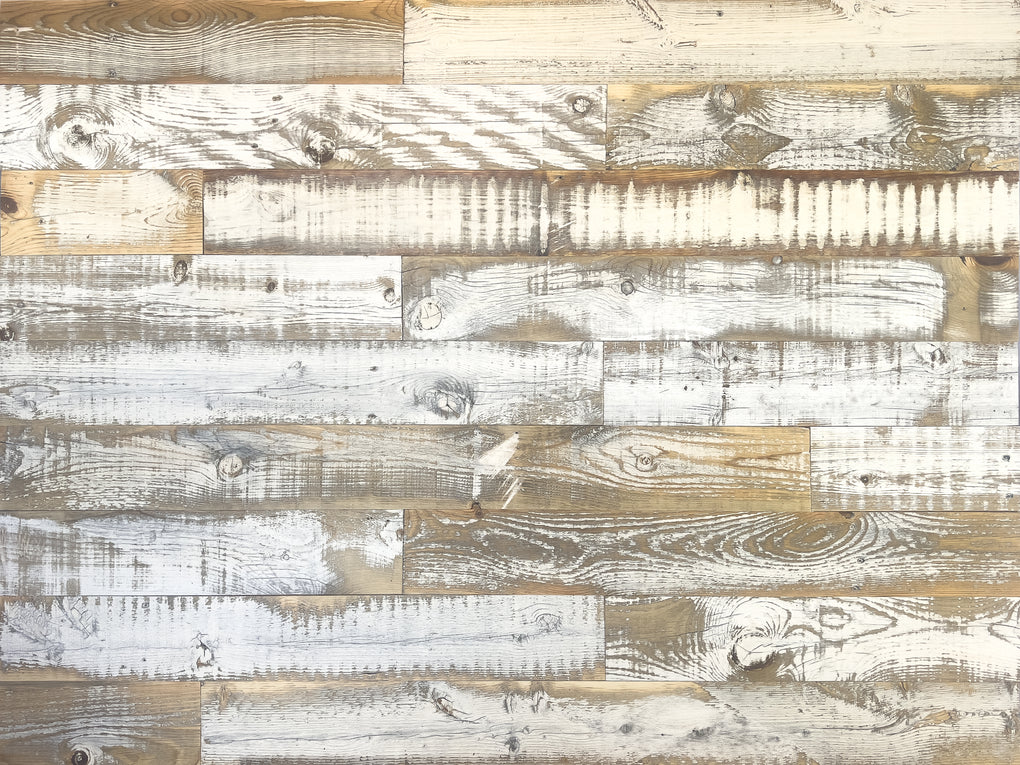
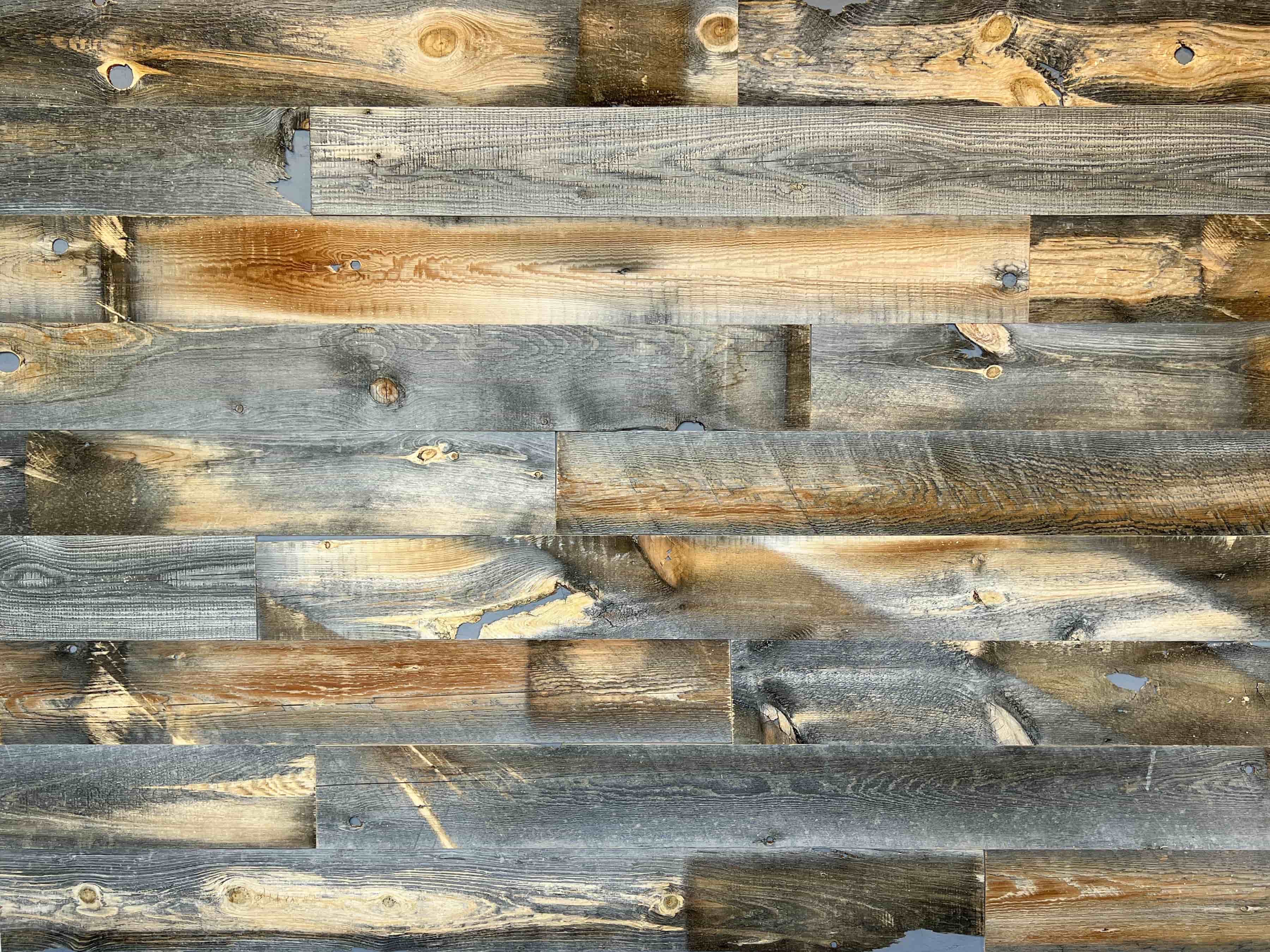
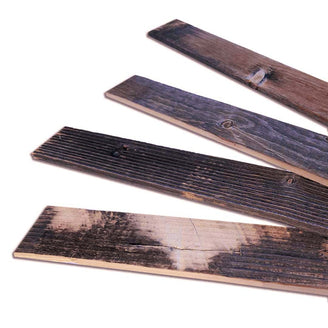
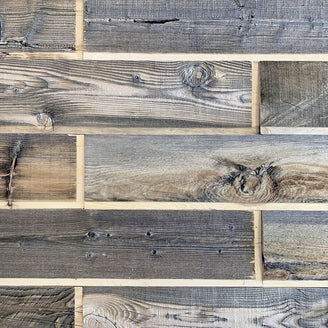
Centennial Woods sources reclaimed wood from Wyoming snow fencing, where it weathers outdoors for seven to ten years. Exposure to sun, wind, and snow gives the surface a natural patina and variation that define true natural wood siding.

Board Width, Stability, and Aesthetic Appeal

Centennial Woods offers the Weathered Wood Nominal 1x6 as its widest product. While some homeowners may prefer wider boards, once the siding is installed across a full wall, the difference between 6", 8", or 10" boards is often subtle. The true appeal lies in the unique weathered character of the wood.

Centennial Woods siding is air-dried to an average moisture content of 4–8%, providing excellent stability and reducing the risk of cupping and warping. This stability ensures long-lasting performance, making it an ideal choice for homeowners seeking both beauty and durability.

Performance and Interior Applications

Optional treatments like Flame Stop II (for a Class A fire rating) and Centennial Seal (for UV and moisture protection) help this reclaimed natural wood perform well in harsh weather conditions.

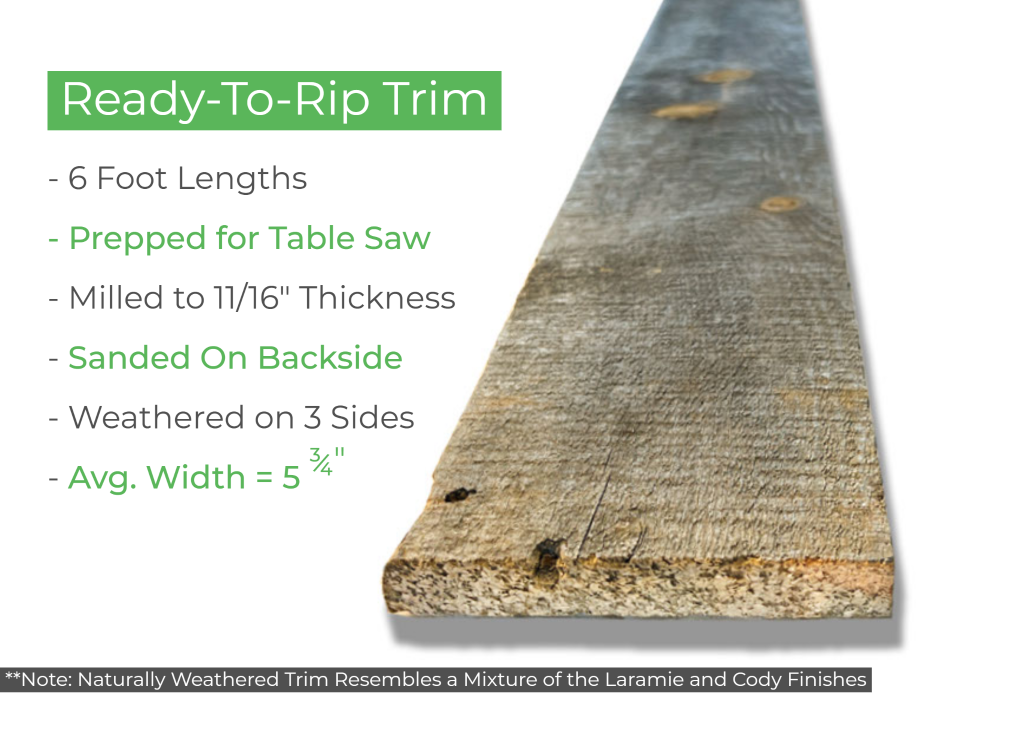
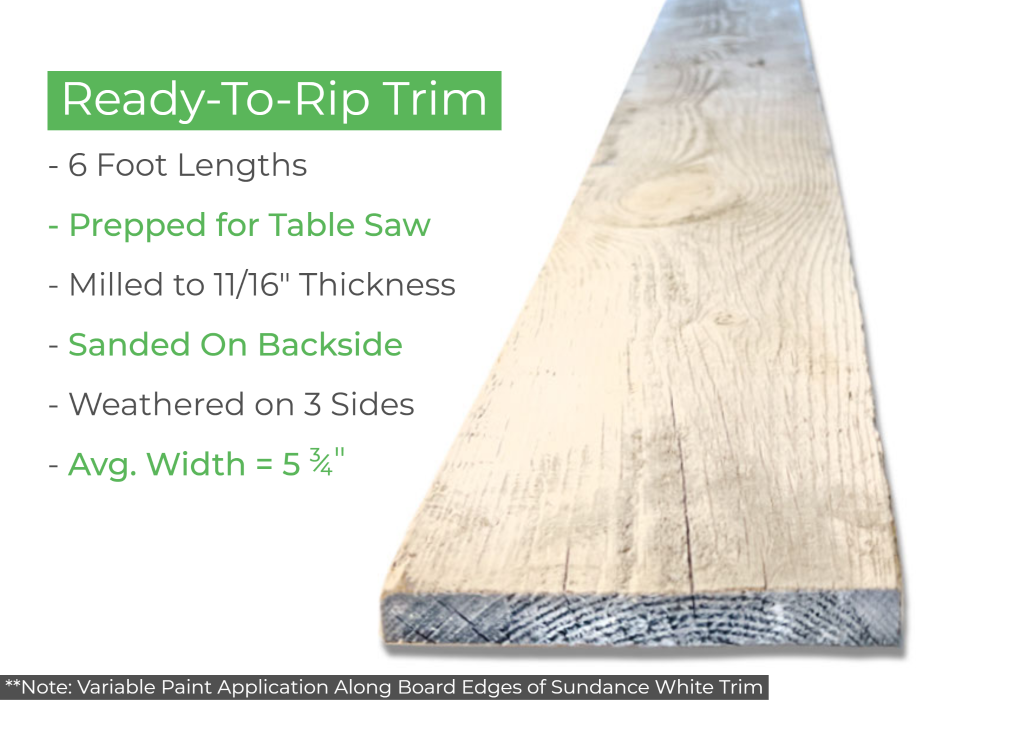
For interior projects or beam wraps, Centennial Woods’ 1/4" paneling, though only about 5" wide, is lightweight and easy to install. Carpenters can create the illusion of wide beams or panels without the need for heavy, single-piece lumber.

Sustainable Materials with a Story

Reclaimed wood siding supports sustainable building practices. Centennial Woods lumber is GREENGUARD Gold and FSC certified, and it’s air-dried naturally instead of using energy-intensive kilns.

Homeowners choosing Centennial Woods get:

  • Authentic reclaimed natural wood

  • A stable, well-dried siding material

  • A sustainable product with real character and history

To explore siding options or request samples, visit the Centennial Woods website. Contact us to learn more.