The Short Answer: Wood trim adds shape, depth, and character to a room. Popular reclaimed wood wall trim ideas include chair rail, crown molding, picture frame molding, and board and batten. Choose a trim style that fits your space, select a trim color that complements your wall color, and install each trim piece carefully for a finished look.
Most newly constructed rooms can often feel empty and without design focus. Functional? Sure. But they don’t have much personality. Wall trim fixes that faster than almost any other home project, and you do not have to tear anything apart to do it.
The different types of interior trim out there can feel like a lot at first. We are here to help you decide what type is best for your space.
What Wall Trim Does for a Room
Interior trim started as a purely practical feature. It was typically used to cover the gaps where walls met floors, ceilings, and door frames. At some point, builders realized trim could be a decorative element too.
Here is what well-planned wall trim actually does:
-
Adds architectural detail: Shadow lines, depth, and dimension that make flat walls feel more custom built. Even one horizontal band of trim changes how a wall reads when you walk into the room.
-
Creates a focal point: A framed wall or feature panel gives the eye somewhere to land. That makes a bigger difference than people realize, especially in rooms without much furniture.
-
Protects the wall: Chair rail molding and wainscoting take the bumps, scuffs, and dings that would otherwise end up on bare drywall. If you have kids or you rearrange furniture a lot, this alone is worth doing.
-
Connects interior spaces: Running the same trim through multiple rooms creates a seamless transition that makes the whole house feel intentional rather than put together one room at a time.
In a new house, trim is one of those finishing touches that separates a builder-grade space from something that feels yours. In older homes, refreshing the interior trim can bring back that classic look.
Popular Wall Trim Styles

Not every trim style belongs in every room. What works in a formal dining room might feel out of place in a mudroom. The size of the space, ceiling height, and the mood you are going for all play into the decision.
Crown Molding
Crown molding (also spelled crown moulding) covers the seam where the wall meets the ceiling. It pulls attention upward, and when it is done right, it can actually make a ceiling feel higher than it is. A living room or master bedroom is usually where crown molding pays off the most because it delivers that classic look without requiring you to change anything else in the room.
Chair Rail
Chair rail is a horizontal trim piece that wraps around the room partway up the wall. It was invented to stop the backs of chairs from gouging the plaster, which is why it has always been common in a dining room or dining area.
Standard placement is about one-third of the way up the wall. With 8-foot ceilings, that puts you around 32 inches, but some trim carpenters recommend going lower for better visual proportions. However, the "right" height depends entirely on the room.
One of the most useful things about chair rail is that it gives you a clean break line for two paint colors. A deeper wall color below the rail and a white paint color above is one of the simplest ways to add contrast without having to overthink it.
Picture Frame Molding
Picture frame molding arranges narrow strips of trim into rectangles on the wall. You are basically building empty picture frames right onto the surface. It adds pattern and depth with very little material, and it suits dining rooms, hallways, bedrooms, and any space where you want formality without heaviness.
Paint the molding the same color as the wall for a quiet, textured effect. Use a contrasting color if you want the frames to actually jump out.
However, make sure to plan the layout first. Every single frame needs to line up cleanly with windows, electrical outlets, and each interior door. Misaligned frames are one of those things you will notice every time you walk through the room once they are up.
Board and Batten and Wainscoting
These two get grouped together because they serve a similar purpose, but they look different in practice:
-
Board and batten: Wide flat boards with narrow vertical strips (the battens) between them. The vertical rhythm adds height and works in casual and formal rooms alike.
-
Wainscoting: Panels or boards covering the lower portion of a wall, usually capped with a chair rail along the top.
Both add serious wall texture and can take a beating, which is why they keep showing up in entryways, mudrooms, and kids' bedrooms. They also cross styles without any trouble.
How to Choose Trim Material and Color

Style is the fun part. Material and color are where the practical stuff happens. Get these right, and the project holds up for years. Get them wrong, and you will be repainting or swapping things out sooner than you planned.
Solid Wood vs. Medium Density Fiberboard (MDF)
Most interior trim gets made in one of two materials, and each has a clear use case.
MDF is wood fibers bonded with resin and pressed into boards. It machines cleanly, takes paint well, and costs less than solid wood. For a painted trim project where nobody is going to see the raw material underneath, MDF makes sense. But it swells when it gets wet (bathrooms and laundry rooms are risky spots for it), and you cannot stain it to look like real wood. It also has to meet federal formaldehyde emission standards, which is worth being aware of if indoor air quality is something you think about.
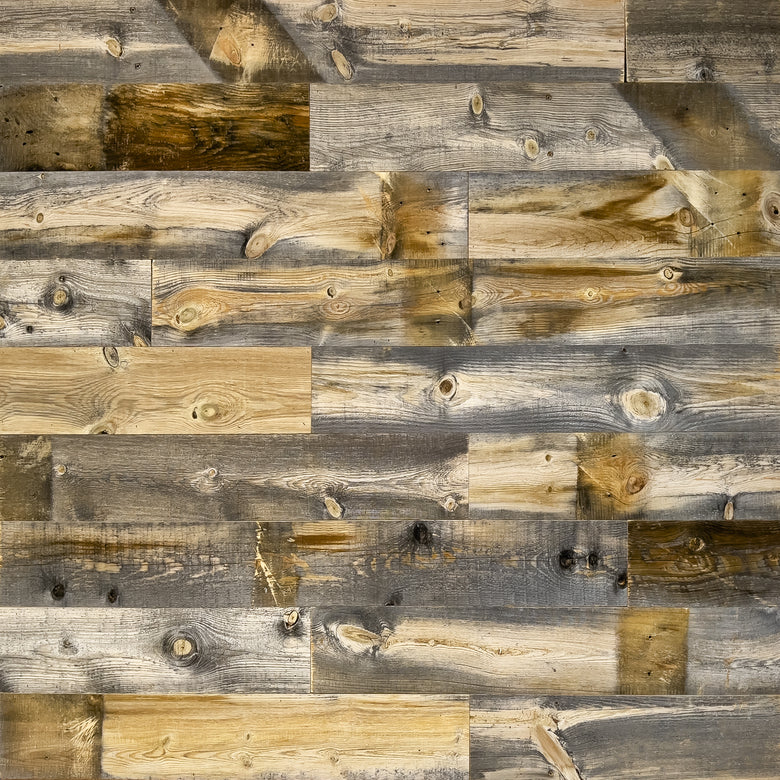
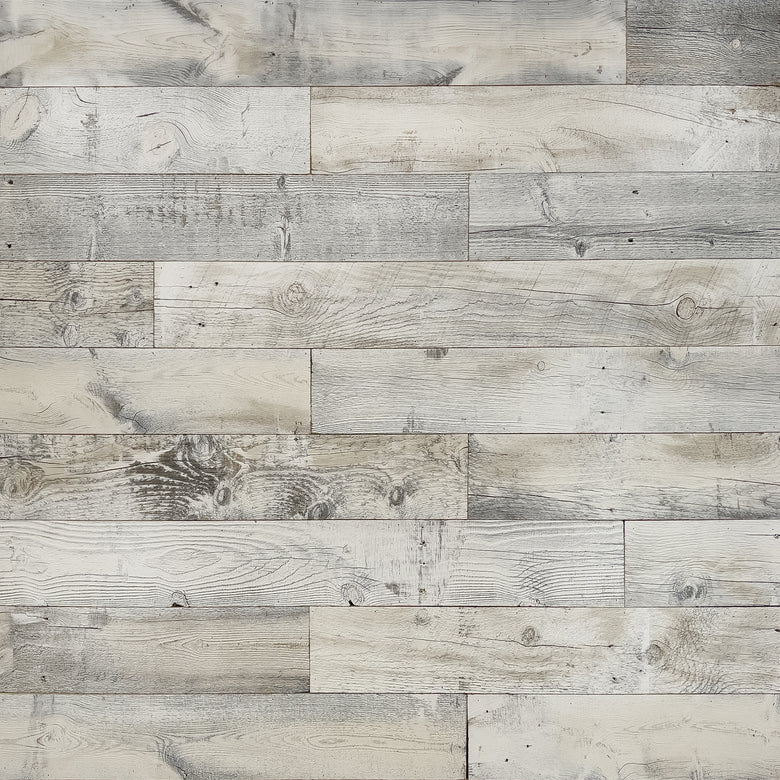
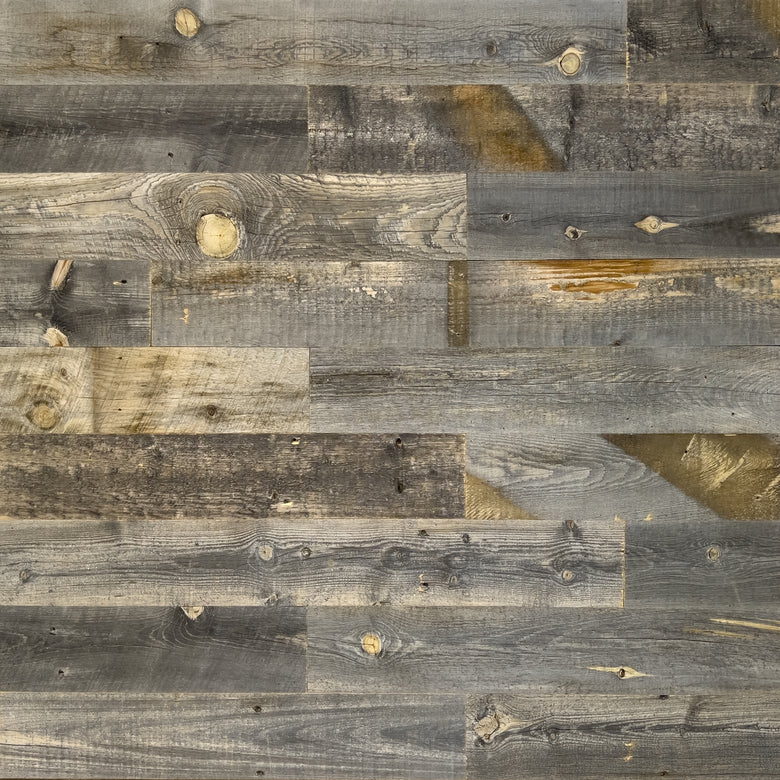
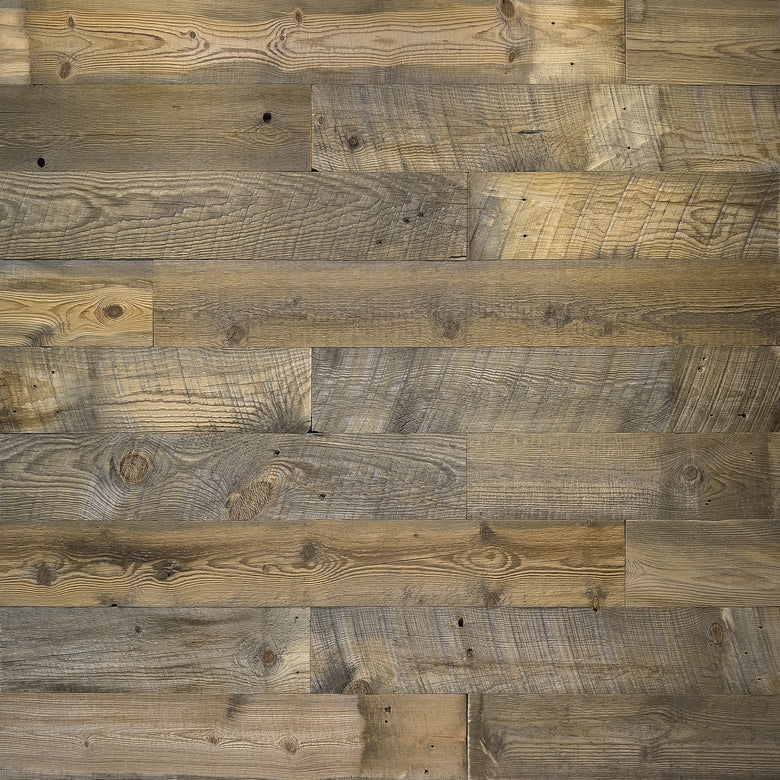
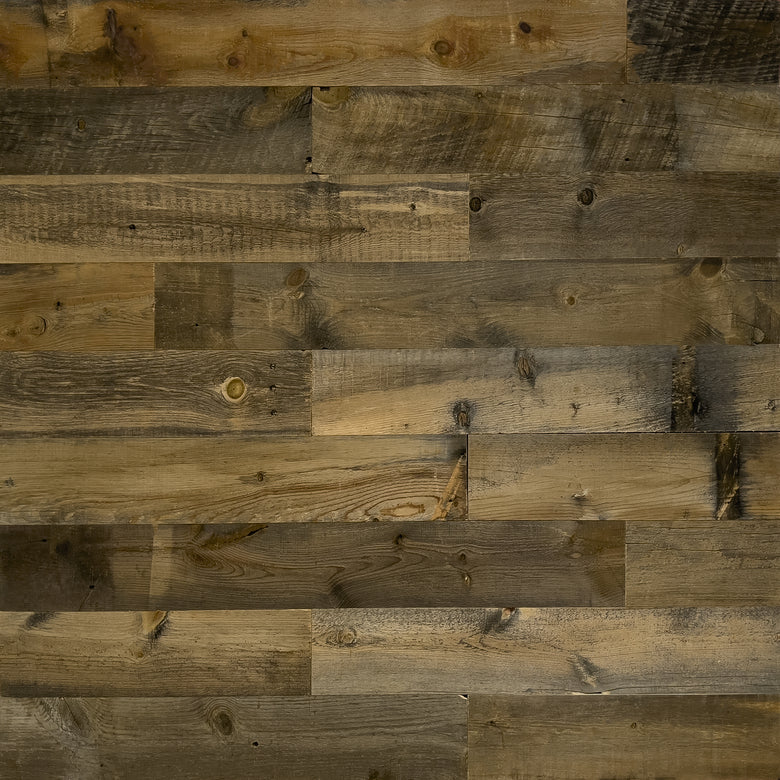
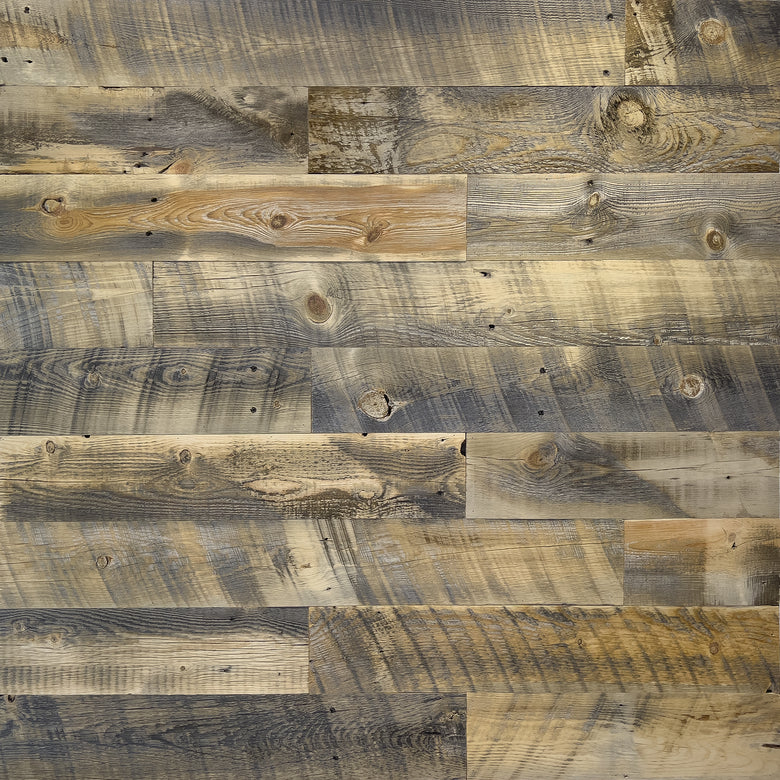
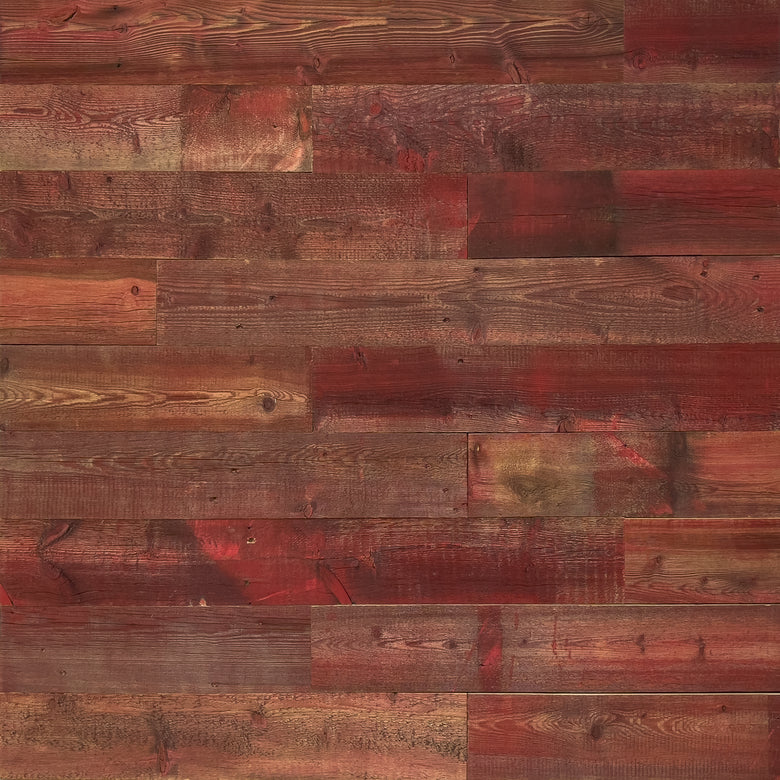
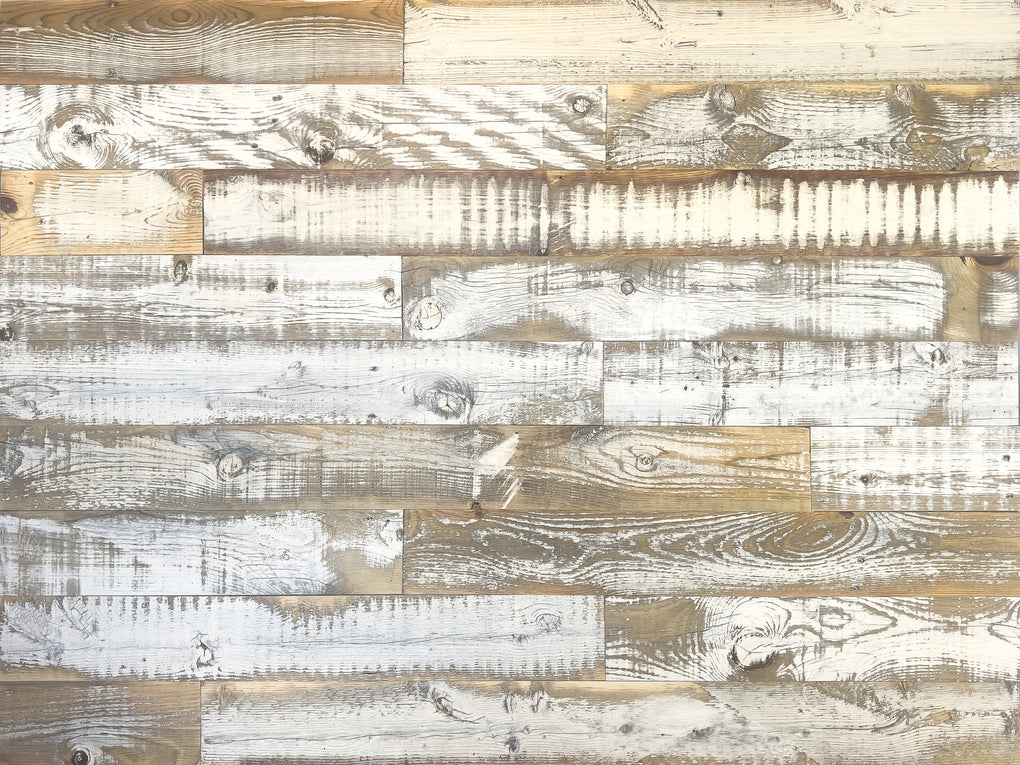
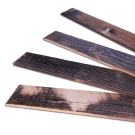
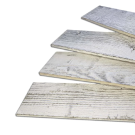
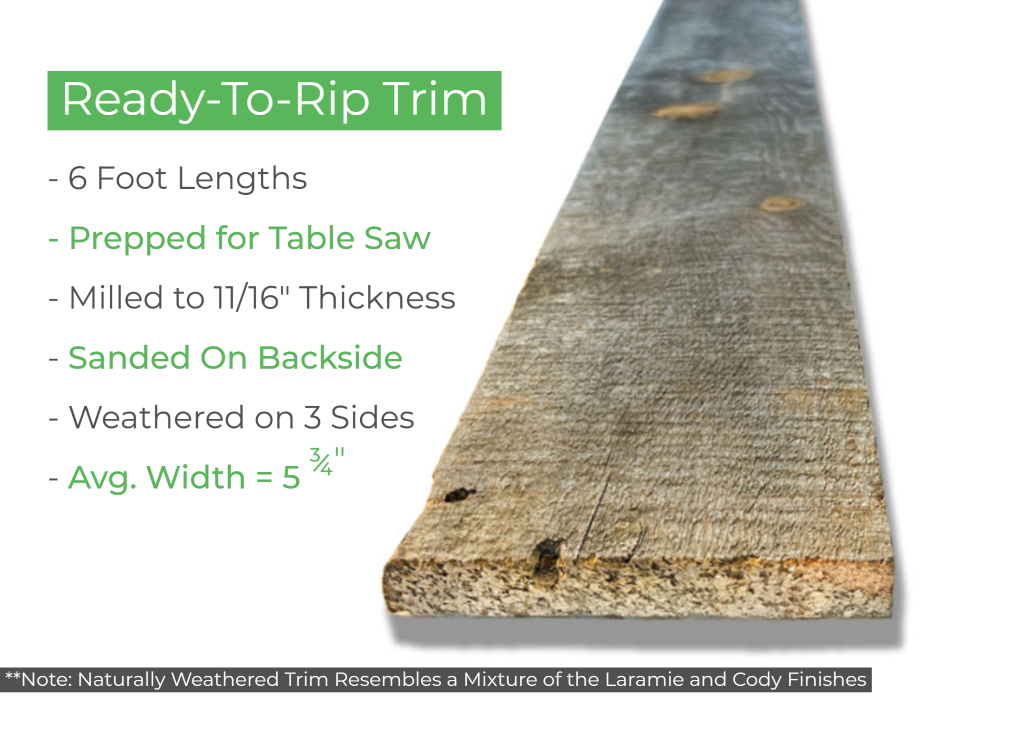
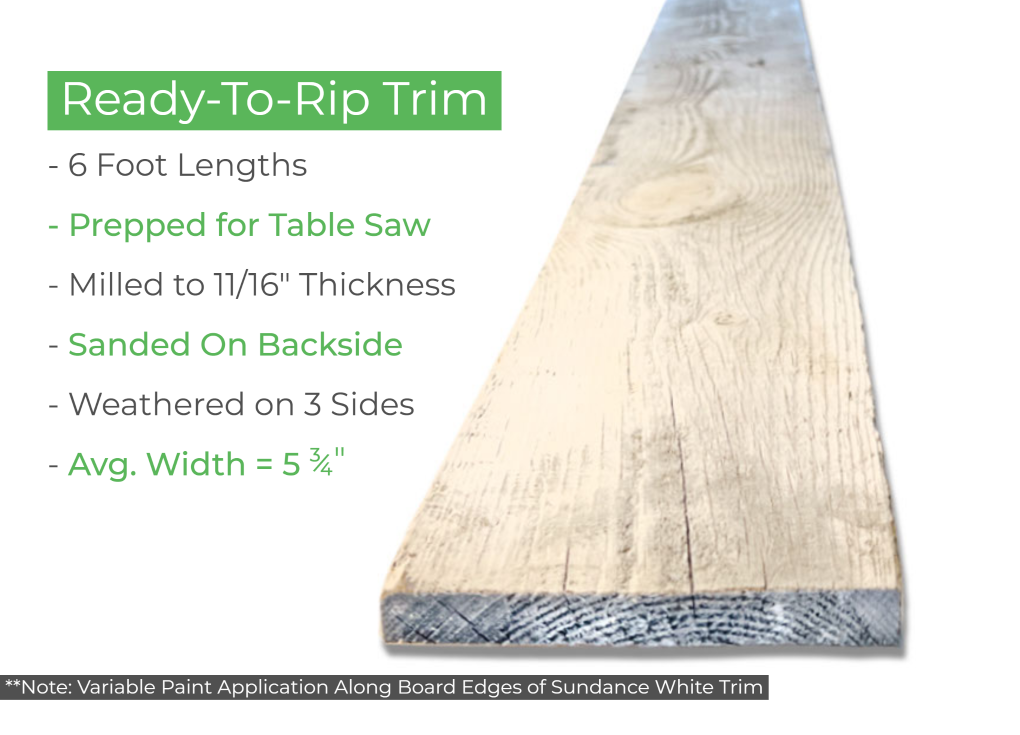
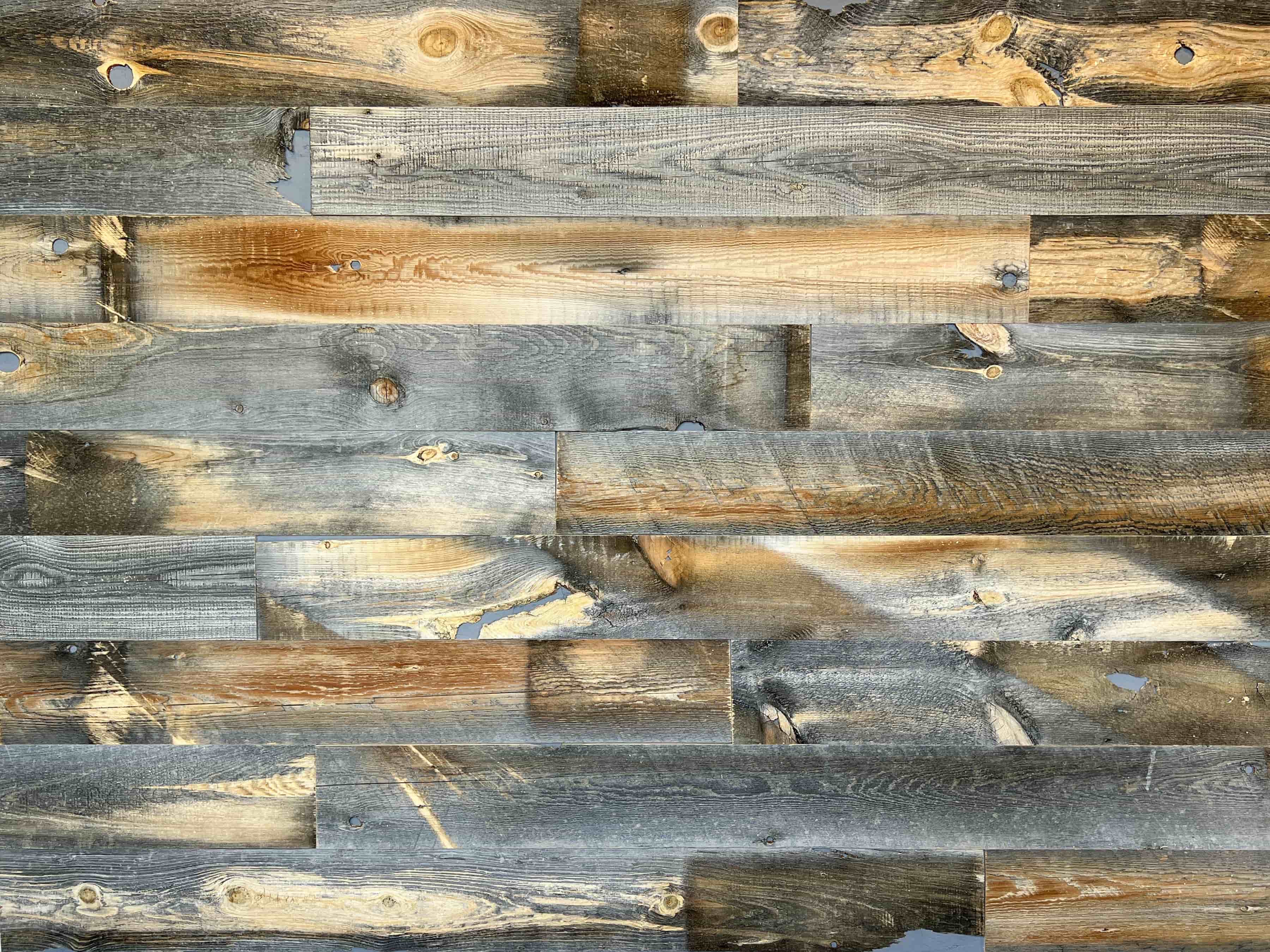
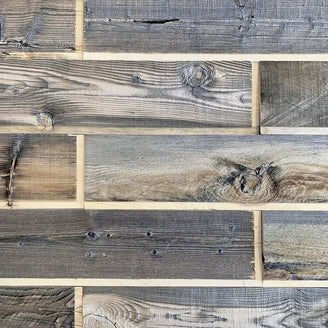
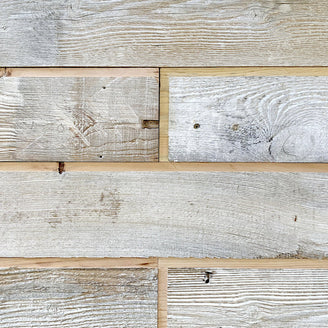
Solid wood is the traditional option. It’s stronger, holds nails better, and you can stain it, seal it, or leave it natural. Reclaimed wood goes even further. It brings weathered texture, natural color variation, and a depth that new lumber does not have. If you want new trim that actually looks like it has been part of the house for decades, reclaimed wood is how you get there.
Picking a Trim Color and Paint Finish
Trim color changes the feel of the entire room. These are the approaches you will run into most often:
-
White trim: White paint on trim is the safe, sharp default. It works with nearly any wall color and keeps everything feeling clean.
-
Tone on tone: Painting the trim the same color as the wall is a more modern move. The contrast goes away, and the shape of the trim does all the heavy lifting.
-
Dark trim: Dark trim against a white wall or lighter wall color creates a bold, graphic look. It outlines windows and doors in a way that really tightens up the room.
-
Natural wood: Leaving reclaimed or solid wood unsealed or lightly sealed adds warmth and lets the natural grain do its thing.
If you go with paint, the paint finish matters more than people give it credit for. Satin and semi-gloss are the standard for trim. They clean up easily and catch enough light to separate the trim from flatter wall finishes.
Tips for a Clean Trim Install
The difference between trim that looks professional and trim that looks like a weekend experiment usually comes down to the prep. The actual installation is not that hard once the planning is done.

-
Measure and plan: Sketch each wall. Mark every window, door, and outlet. Buy materials after you have real numbers.
-
Find the studs: Mark their locations so each trim piece nails into framing. Trim anchored only into drywall will eventually work itself loose.
-
Use a level: Floors and ceilings are almost never perfectly straight, especially in older homes. Walls, floors, and ceilings are not always perfectly square, so relying on a level creates a cleaner finished look.
-
Cut corners carefully: Miter cuts on outside corners and coped joints on inside corners are the difference between tight seams and gaps you can see across the room.
-
Finish before installing: Prime, paint, or seal trim before it goes on the wall. It is easier to get even coverage on a flat surface than working overhead on a ladder.
-
Caulk the gaps: One thin bead of caulk where trim meets the wall hides any small imperfections.
Centennial Woods: Reclaimed Wood for Walls With Character
Centennial Woods reclaims wood from the snow fences that line hundreds of miles of Wyoming roadways. After seven to ten years of sun, wind, and snow, those boards come down with a naturally weathered patina, unique color variation, and a character that only happens with time. Our wood is air-dried to 4 to 8 percent moisture for lasting stability.
For added protection, Centennial Woods offers Centennial Seal, which soaks into the wood fibers and creates a breathable, water-resistant barrier against UV and moisture exposure. Every board of reclaimed wood is different, and that is exactly what makes trim projects built with it feel like they belong.
Ready to add real character to your walls? Browse Centennial Woods reclaimed wood paneling to start your wood trim project.