At a Glance: A minimalist dining room balances function and simplicity through clean lines, neutral tones, and natural materials like solid wood. This design approach creates a calm dining space where family dinners and gatherings feel intentional rather than cluttered.
The dining room has evolved far beyond a space for formal occasions. Today's homeowners want a flexible dining area that serves everyday meals, remote work, and weekend gatherings with equal grace. Minimalist design offers the perfect balance between beauty and function, creating rooms that feel both welcoming and uncluttered.
Core Principles of Minimalist Dining Design
Minimalist design follows the philosophy that less truly delivers more. Every piece in a minimalist dining room earns its place through both form and function. This approach creates visual calm while giving you space to actually use your dining area.
The Power of Empty Space
Empty space is not wasted space. In minimalist design, the areas between furniture pieces create breathing room that makes your dining space feel larger and more peaceful. Resist the urge to fill every corner. A single statement piece, like a solid wood dining table with a distinctive wood base, makes more impact than multiple competing elements.
Function Drives Every Decision
Ask yourself what your dining room needs to accomplish before selecting a single item:
-
Daily use: Will this space host family dinners during the week?
-
Entertaining: Do you need room for guests at holiday gatherings?
-
Multi-purpose needs: Should the table double as a workspace?
Your answers shape everything from table size to seating choices.
Quality Over Quantity
Minimalist spaces demand fewer pieces, which means each item must deliver on both durability and elegance. A high-end minimalist dining table crafted from natural materials will anchor your room for decades. Sturdy construction matters when you have fewer pieces carrying the visual weight of an entire room.
Selecting Minimalist Dining Room Furniture
Furniture selection matters more in minimalist spaces because every piece carries visual weight. Choose items with clean lines, natural materials, and straightforward designs that never go out of style.
The Minimalist Dining Table
Your dining table serves as the focal point of the entire room. Look for tables with simple geometry and natural materials. Rectangular tables suit most spaces, while round options encourage conversation and work well in smaller dining areas.
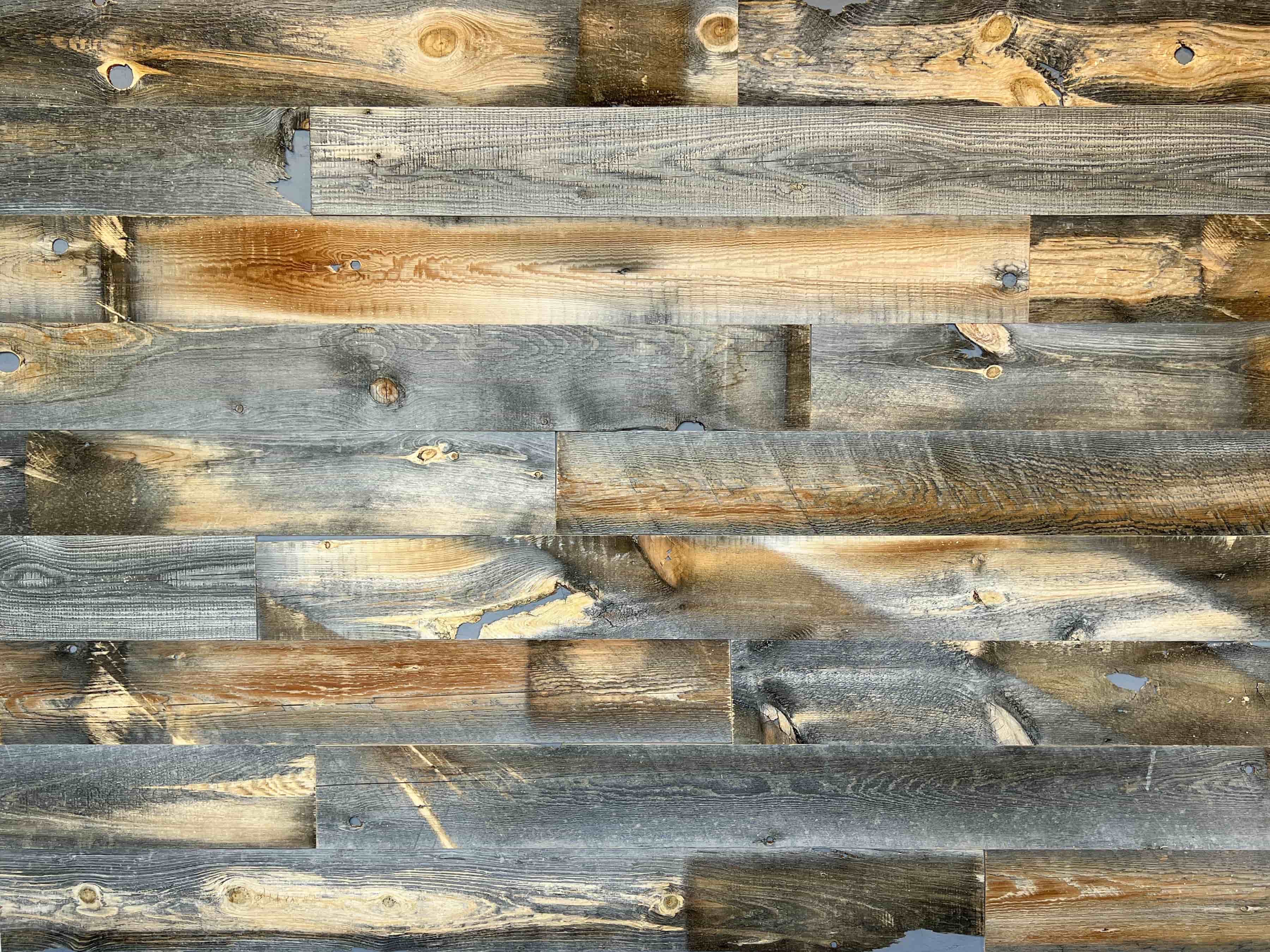
A solid wood table brings warmth and depth that synthetic materials cannot match. The subtle variations in wood grain add visual interest without overwhelming the minimalist aesthetic.
When selecting your table, consider:
-
Size: A table that fits six comfortably handles everyday dining and smaller gatherings without dominating your space.
-
Extension options: These offer flexibility for larger meals when guests join your table.
-
Material: Natural wood provides warmth that glass or metal cannot replicate.
Seating That Balances Comfort and Simplicity
Chairs should invite lingering conversations over meals without visual clutter. Slim profiles and simple forms work best in minimalist spaces. Upholstered seats add comfort for longer meals while maintaining clean lines. Bench seating along one side of your table reduces visual noise and accommodates more diners in tight spaces.
Mix materials thoughtfully. Wood chairs complement a wood table, while metal or upholstered options create a subtle contrast. Stick to two material types maximum to maintain the minimalist aesthetic.
Storage Solutions
Minimalism requires a place for everything. A simple sideboard or credenza stores dining essentials behind closed doors, keeping your space clutter-free. Look for pieces with a smooth surface and minimal hardware. Hidden storage allows you to display only what truly deserves attention.