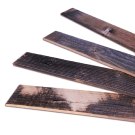
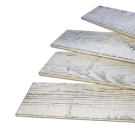
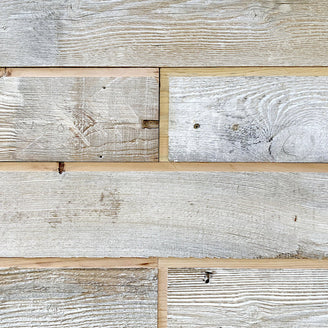
Wood left outside faces a steady mix of UV rays, rain, and temperature swings. Without a protective layer, even strong lumber can start to gray, crack, and rot. Luckily, outdoor wood protection is simpler than it sounds. Once you know what you are guarding against and which products fit your needs, you can protect your wood with confidence. This guide covers the main threats to outdoor wood, the finishes that stop them, and how to apply and maintain that protection. It also explains why reclaimed wood has an edge outdoors, since wood that has already weathered to a low, stable moisture content gives any finish a better surface to protect.
What Breaks Down Outdoor Wood

Three forces do most of the damage to exterior wood. Knowing how each one works helps you pick the right protection:
Sun and UV Damage
Sunlight is hard on wood. The sun's UV radiation breaks down lignin, the natural glue that holds wood fibers together. Over time, direct sunlight fades the color and leaves the surface gray and rough. UV damage also dries out the wood, which leads to cracks. Any finish you choose for outdoor wood surfaces should include UV protection to slow this process.
Water and Moisture
Water is the second major threat. Rain, snow, and humidity soak into the wood’s surface and swell the fibers. When the wood dries, it shrinks back down. This cycle repeats with every storm and season. Over months and years, it causes warping, splitting, and wood rot. Standing water is the worst case, since trapped moisture invites decay and mold. Good weather protection provides water resistance while still letting the wood breathe. Starting with wood with a low moisture content also helps, because stable wood swells less and gives water fewer openings to work into.
Temperature and Everyday Wear
The third stressor is temperature, since it constantly shifts between hot and cold. Wood expands in warm weather and contracts in the cold, which loosens boards and fasteners over time. Foot traffic on a wood deck, scrapes from furniture, and general handling can also wear down the surface. Because these forces attack together, your protection has to cover every angle.
Ways to Protect Outdoor Wood

Several products guard exterior wood surfaces. Each one works a little differently, so the best choice depends on your project and the look you want.
Wood Sealers
A wood sealer forms a clear, water-resistant barrier on the wood surface. Sealers are a good pick when you want to keep the wood's natural beauty and grain visible. Many outdoor wood sealers also add UV protection. Some use synthetic resins to build a tougher film, while others penetrate the wood fibers rather than sitting on top. Penetrating sealers tend to last longer and resist peeling. Centennial Seal is a great choice for a reliable penetrating sealer, offering a water-based penetrating seal that soaks into the fibers to guard against UV and moisture without darkening the natural patina.
Wood Stains
A wood stain adds color while also protecting the wood. There are two main types of wood stains:
- Oil-based stain: An oil-based stain soaks deep into the wood and provides water resistance. Oil-based products take longer to dry and have a stronger scent.
- Water-based stains: Water-based stains dry faster, clean up with soap and water, and hold their color well in sunlight.
An exterior wood stain gives you more control over the final tone than a clear sealer. It also hides some wear, which suits a wood deck or fence that sees heavy use.
Natural Oils
Natural oils are a classic finish for outdoor wood furniture and trim. Tung oil and linseed oil penetrate the wood and bring out the grain with a warm, low-sheen look. However, raw oils can sometimes attract mildew outdoors if they lack mildewcides or UV-blocking pigments. You can apply them with a paintbrush or a rag. The downside is the additional maintenance, since oil finishes need more frequent reapplication than sealers or exterior paint.
Exterior Paint
Exterior paint offers the most coverage and the longest gap between coats. Paint blocks UV rays and water well because it forms a thick, opaque layer. The downside is that it completely hides the wood grain. Paint can also crack and peel, which means scraping and repainting down the road. For wooden structures where color matters more than natural character, exterior paint is a solid option.
Which Finish Fits Your Project

The right finish depends on the look you want and how much upkeep you can handle. Use this quick guide to narrow it down:
- For natural character: Choose a penetrating wood sealer or oil to keep the wood grain and color on display.
- For a custom color: Choose an exterior wood stain to add tone while still showing some grain.
- For maximum coverage: Choose exterior paint when you want a solid color and the longest time between coats.
- For low upkeep: Choose a long-lasting sealer over oils, since oils need the most frequent reapplication.
Also factor in how much wear the spot takes. A high-traffic wood deck or a fence in full sun needs tougher protection than a sheltered accent piece or outdoor wood furniture on a covered porch.
How to Apply and Maintain Wood Protection
Even the best finish only lasts if you put it on correctly and stay on top of maintenance. Put in the work early, and you’ll avoid bigger fixes later.
Applying Your Finish
Start with clean, dry wood. Any dirt, old finish, or moisture trapped under a new coat can cause problems. Follow these steps for the best results:
- Clean the surface: Remove dust, dirt, and mildew, then let the wood dry fully.
- Test application: Apply your product to a small, hidden spot to check the color and finish.
- Work in sections: Use a paintbrush, pad, or sprayer and coat small areas at a time to ensure even coverage.
- Seal the ends: Cut ends soak up water fastest, so pay extra attention to exposed end-grain.
- Add a second coat: On dry or porous wood, a second coat improves long-lasting protection.
Follow the manufacturer’s instructions carefully—some finishes require the second coat to be applied "wet-on-wet" before the first one dries, while others need to cure fully first.
Keeping Up With Maintenance
No wood finish lasts forever. Check outdoor structures like decks, fences, and siding once to twice a year for fading, cracks, or areas where water soaks in instead of beading. Keep up with two things: a seasonal cleaning to stop dirt and mildew buildup, and a fresh coat of finish whenever the old one wears down. Oils may need a fresh coat every year, stains every two to three years, and quality sealers can provide years of protection depending on your climate and the wood’s exposure to the elements. A simple test shows when it is time to reapply. Splash a little water on the wood, and if it soaks in instead of beading, the finish has worn thin and needs another coat. Catching wear early keeps small touch-ups from turning into full refinishing jobs.
Centennial Woods: Long-Lasting Outdoor Wood Protection
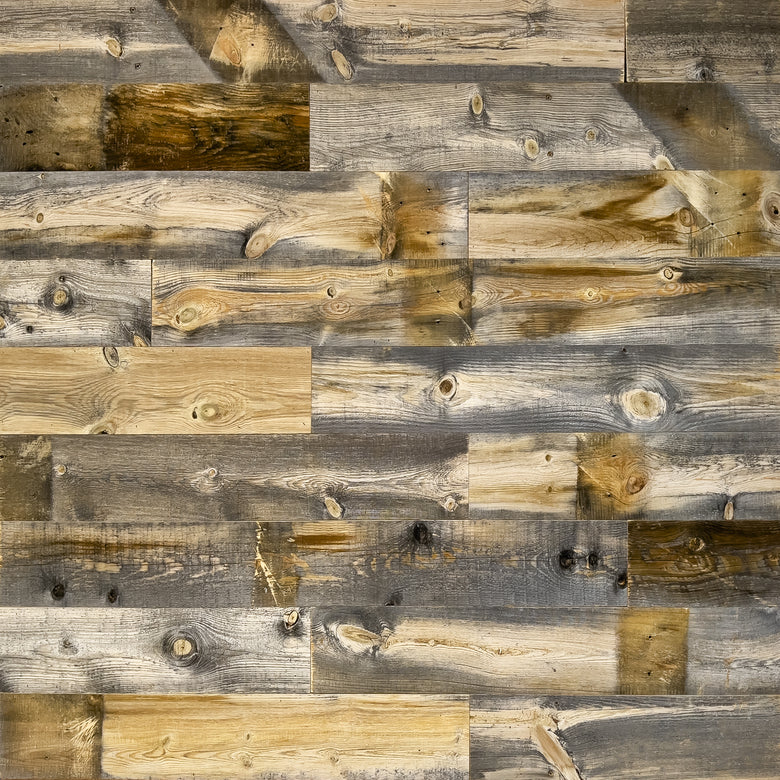
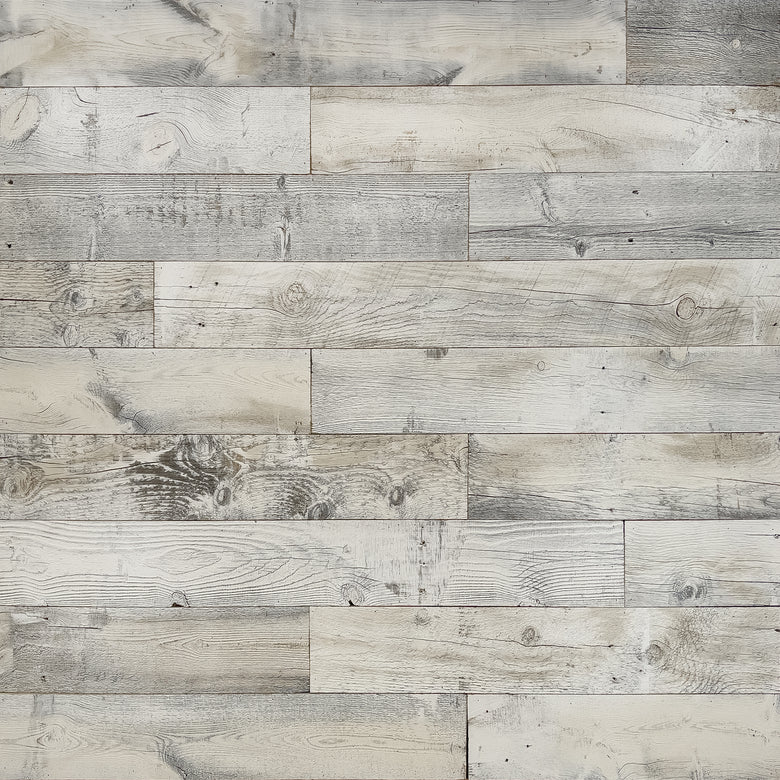
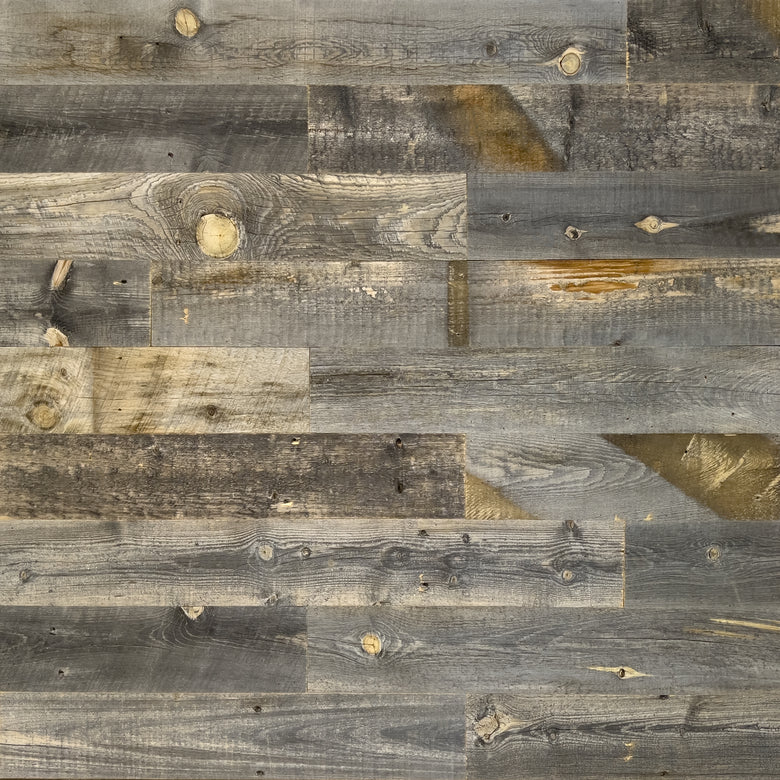
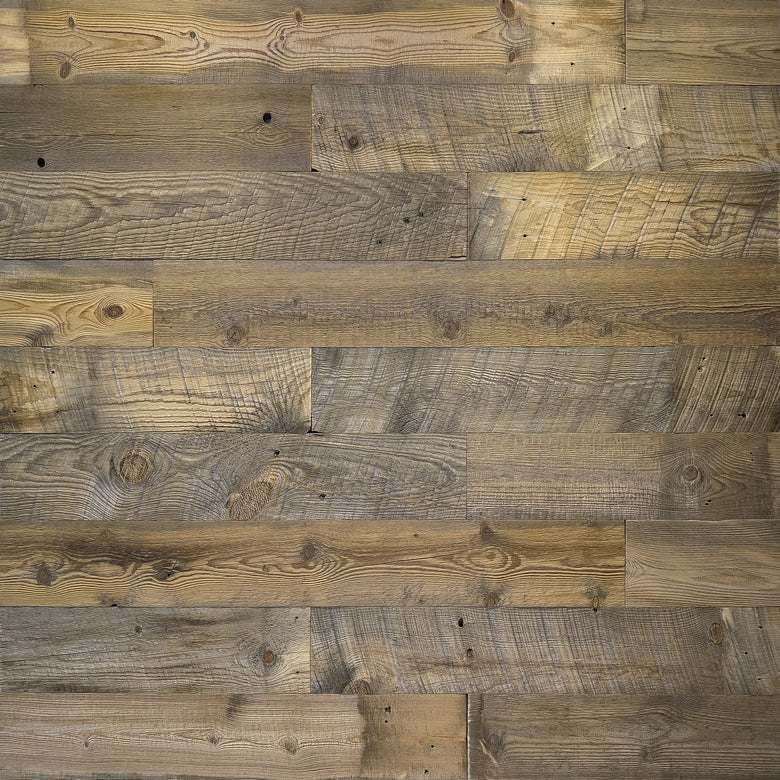
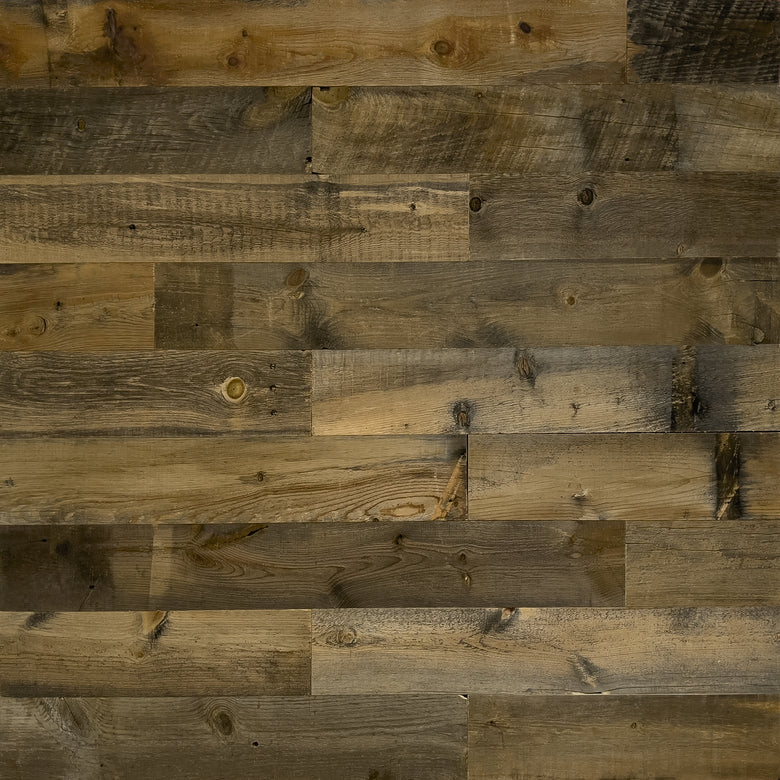
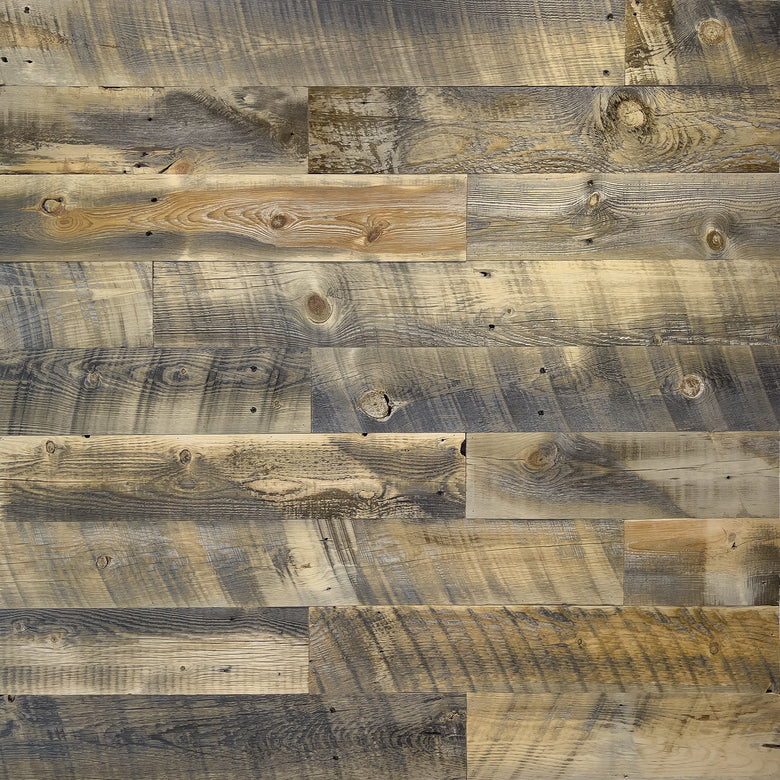
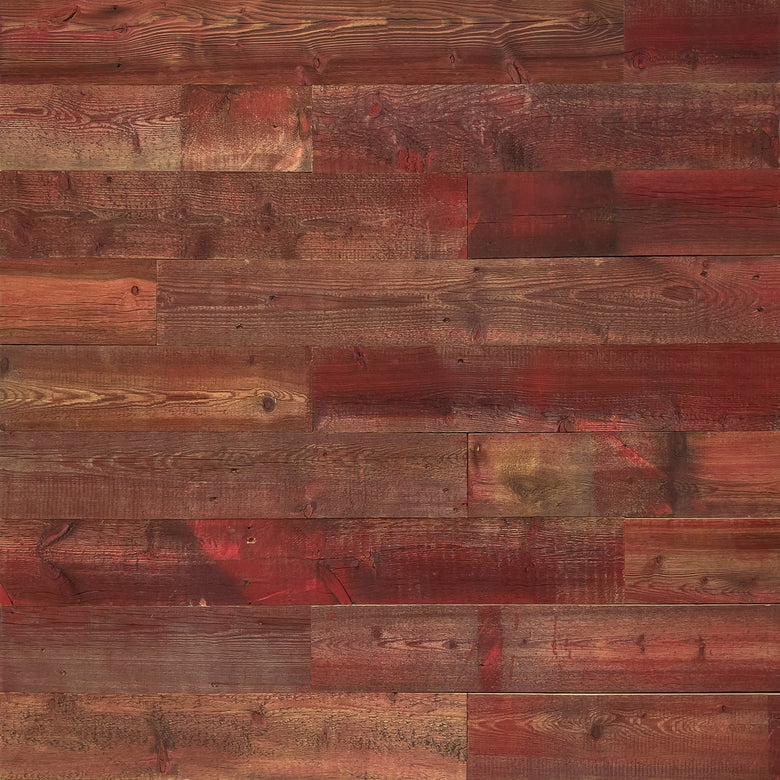
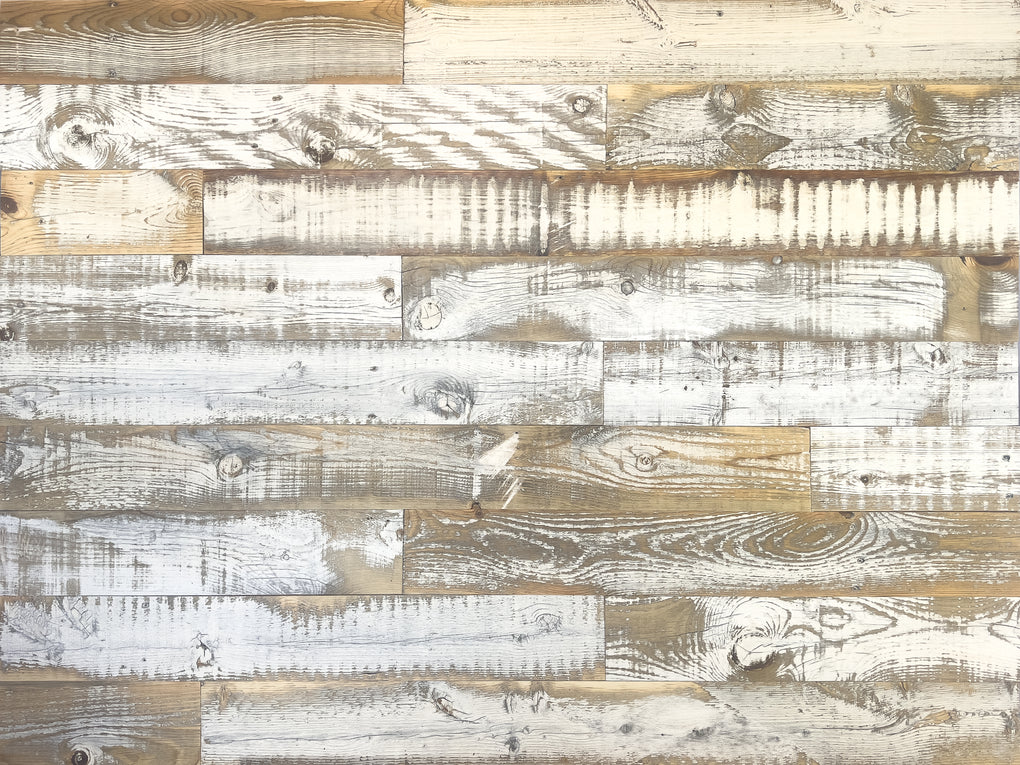
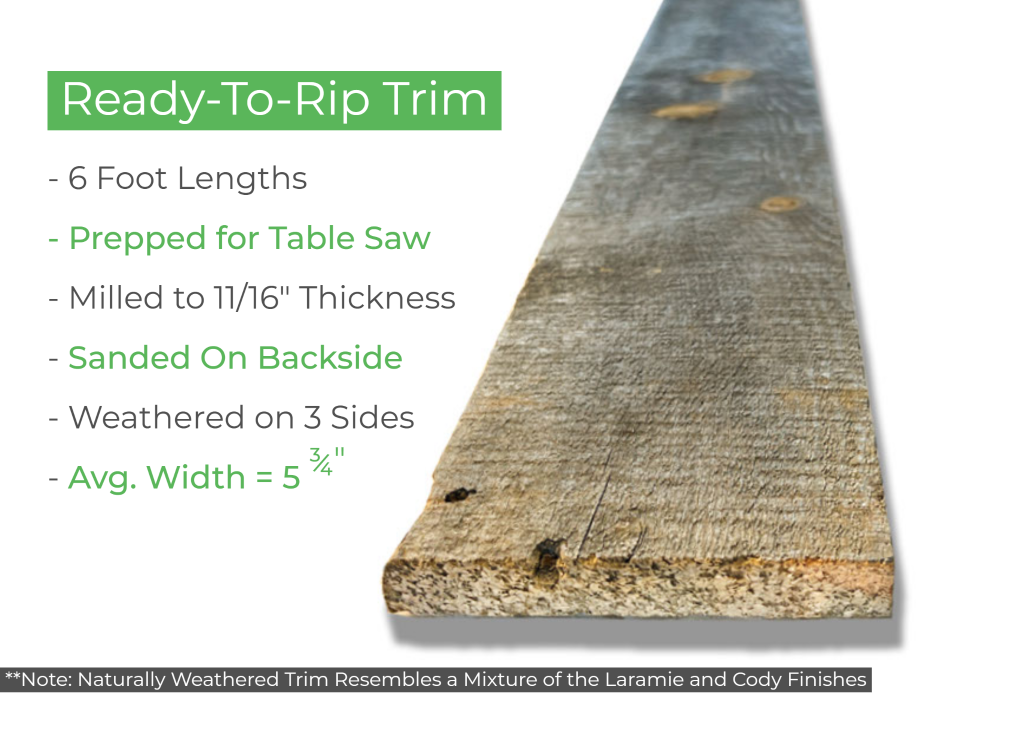
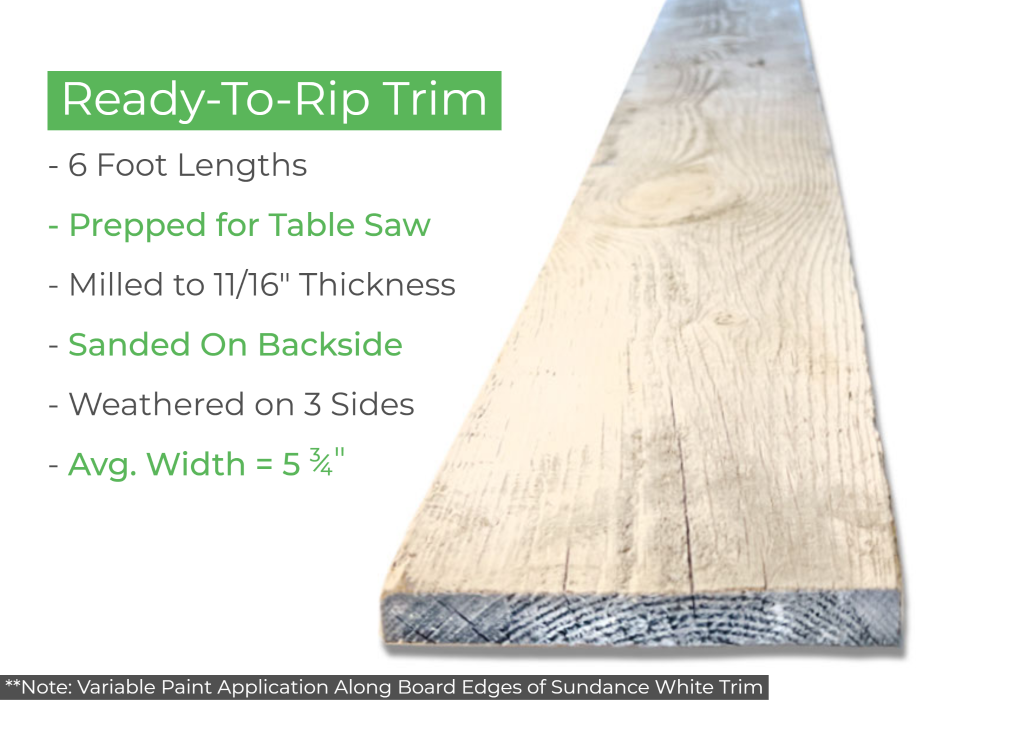
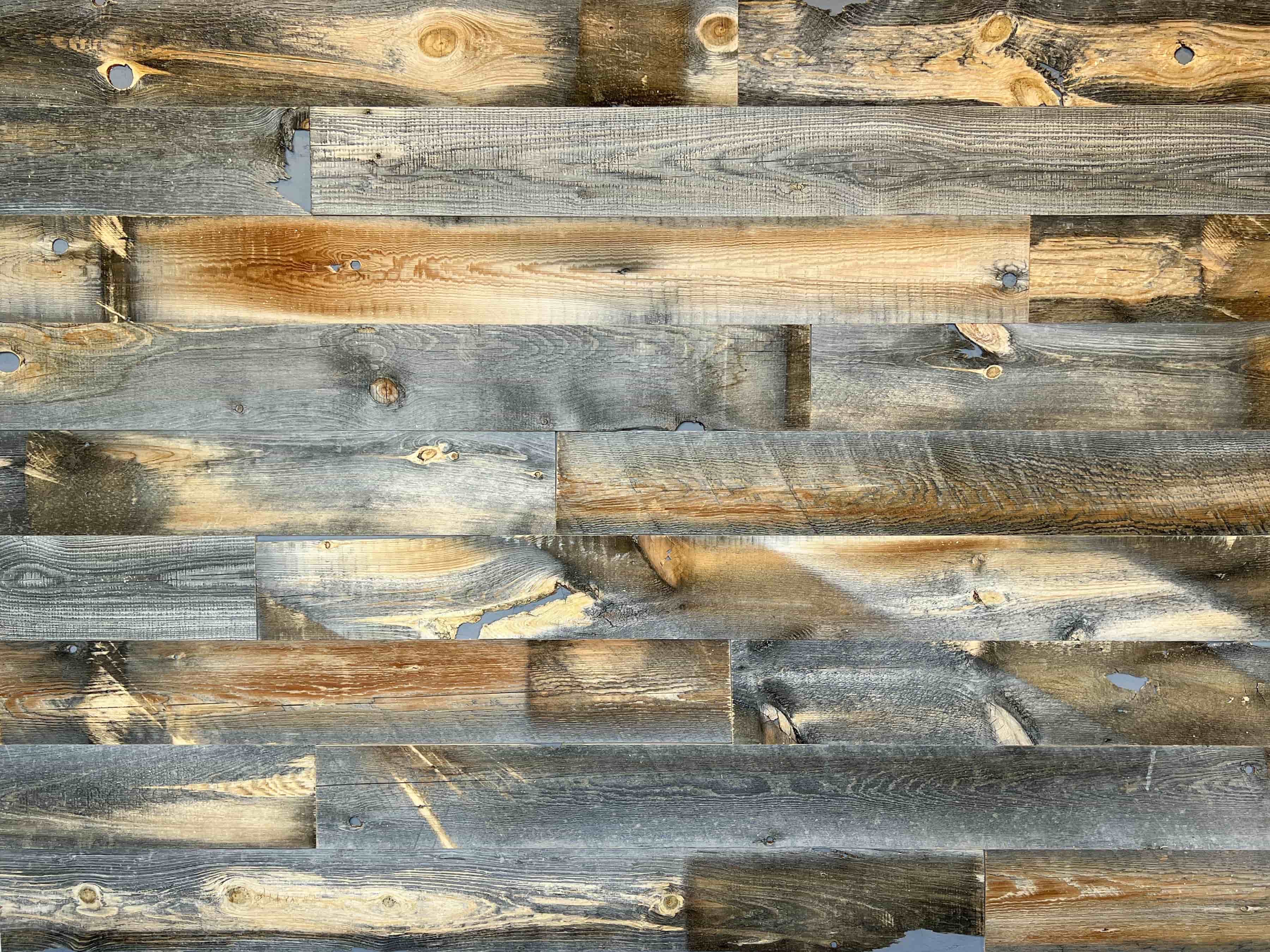
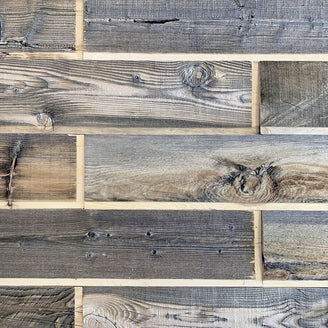
Outdoor wood protection depends as much on the wood itself as on the finish you choose. Centennial Woods reclaims wood from Wyoming snow fences, where it weathers naturally for seven to ten years. That process air-dries the wood to a 4 to 8 percent moisture content, which creates a more dimensionally stable board that better resists the cupping and warping that affect freshly milled lumber.
For added protection, Centennial Woods makes Centennial Seal, a water-based sealer that guards against UV exposure and water damage. It soaks into the wood fibers and forms a breathable, water-resistant barrier without darkening the natural patina. One quart of concentrate covers up to 437.5 square feet and is designed to provide years of protection, depending on climate and exposure.
Ready to start a project with wood built to last? Shop Centennial Seal to protect your existing wood, or browse our reclaimed wood siding to start your next outdoor project.