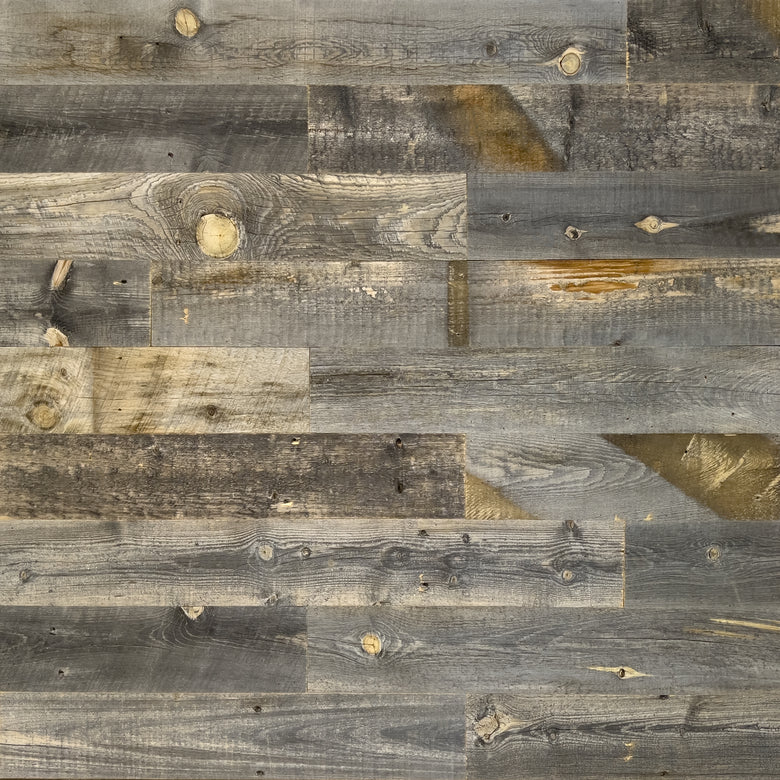
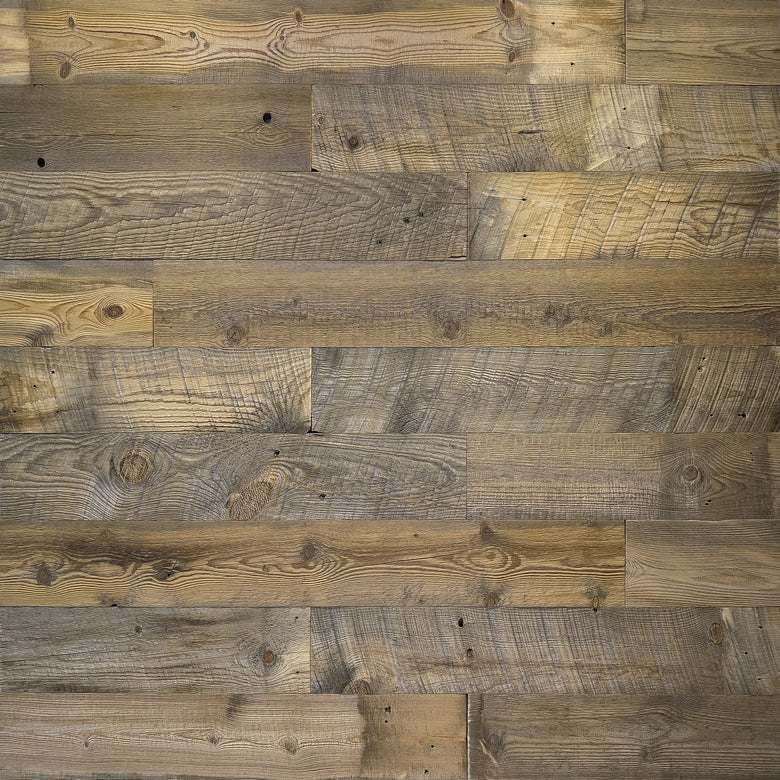
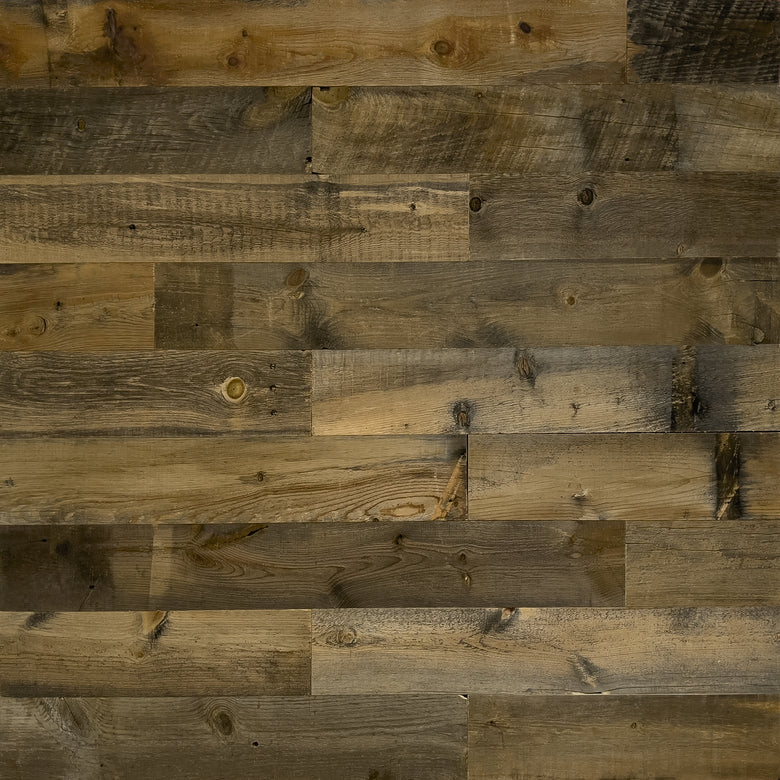
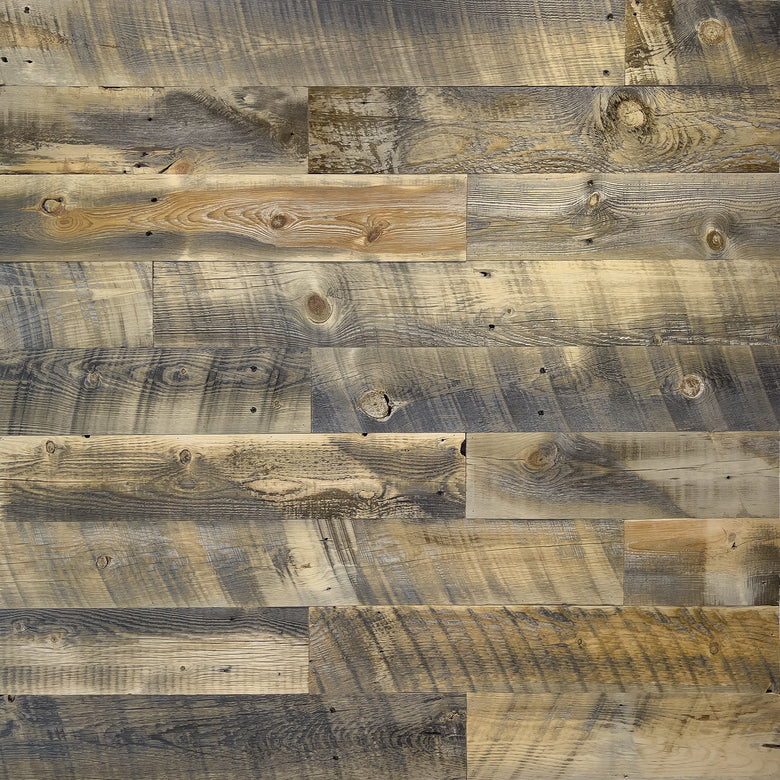
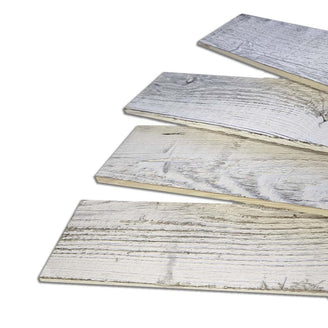
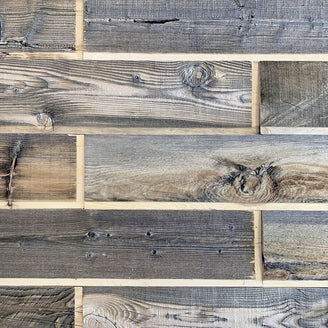
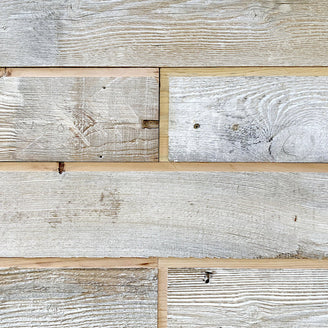
Image of living with with reclaimed wood interior wall

Wood Siding and Paneling Size Guide: How to Choose the Right Panel Size for Your Project

The Short Answer: The size of your wood panels directly affects both the appearance and performance of your wood wall project, whether you're installing interior paneling or exterior siding. While many homeowners request wider planks for aesthetic reasons, narrower panels often offer better stability, easier installation, and a more consistent look.

Selecting the right panel size ranks among the most important decisions you'll make when planning a wood paneling or siding project. Whether you're creating a feature wall indoors or updating your home's exterior, the width and thickness of your panels will shape the final outcome.

Understanding Wood Panel Dimensions

Wood paneling comes in various sizes, and understanding the terminology helps you choose the best option for your project. Panel size typically refers to three measurements: width, length, and thickness. Each dimension plays a role in how your wall panels look and perform over time, indoors and out.

Common Panel Width Options

Panel width varies significantly across different products and wood types. Here's what you'll typically find on the market:

  • Narrow planks (3-5 inches): Traditional look, easy handling, less prone to warping

  • Medium planks (5-7 inches): Balanced appearance and stability

  • Wide planks (8-10 inches): Modern look with more cupping risk

Panel Thickness Considerations

Panel thickness affects both durability and installation methods. Thicker panels offer more substance but require appropriate fastening. Most interior wall paneling ranges from 1/4 inch to 3/4 inch thick, while exterior siding typically requires greater thickness to withstand weather exposure. Your choice depends on whether you're creating a lighter application for accent walls or need the durability required for outdoor use.

Wide vs. Narrow Planks

Wider planks are a common request. Most people assume they'll create a more impressive look.

The Cupping Problem

Wide wood panels have a natural tendency to cup over time. Cupping occurs when the edges of a board curve upward or downward, creating a concave or convex surface. This happens because wider boards experience more uneven moisture distribution across their surface.

This problem affects both interior paneling and exterior siding, though outdoor applications face additional stress from weather exposure and temperature fluctuations. When panels start to cup, you face several problems:

  • Gaps appear between boards: The curving edges pull away from adjacent panels, creating visible openings in your wall or siding.

  • Fasteners become stressed: Nails and screws fight against the wood's movement, potentially loosening over time.

  • The professional finish deteriorates: What started as a beautiful installation begins looking uneven and poorly maintained.

Narrower planks resist cupping much more effectively. With less surface area, they maintain a flat, consistent appearance throughout their lifespan, which is critical for both interior aesthetics and exterior weather protection.
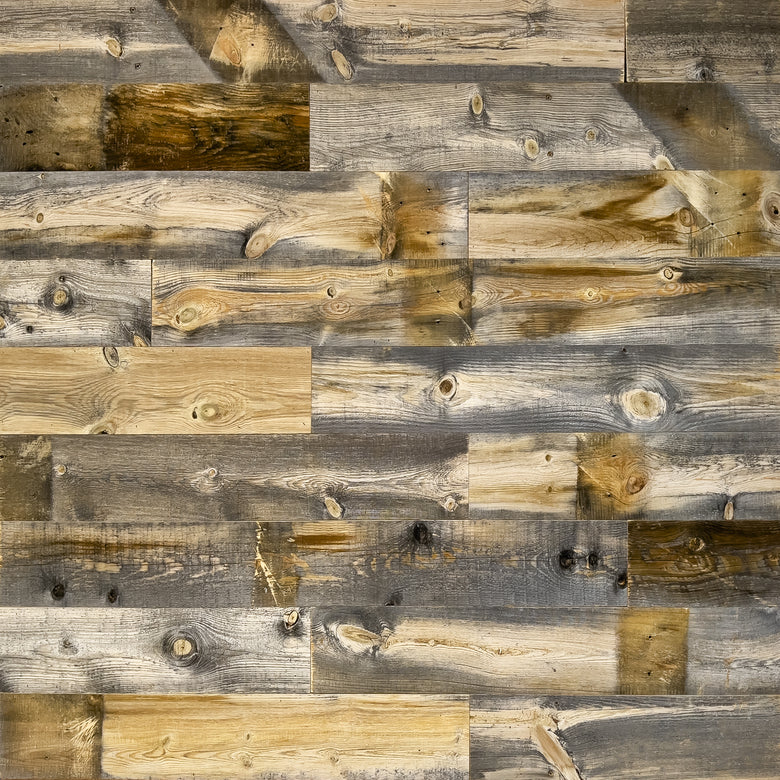
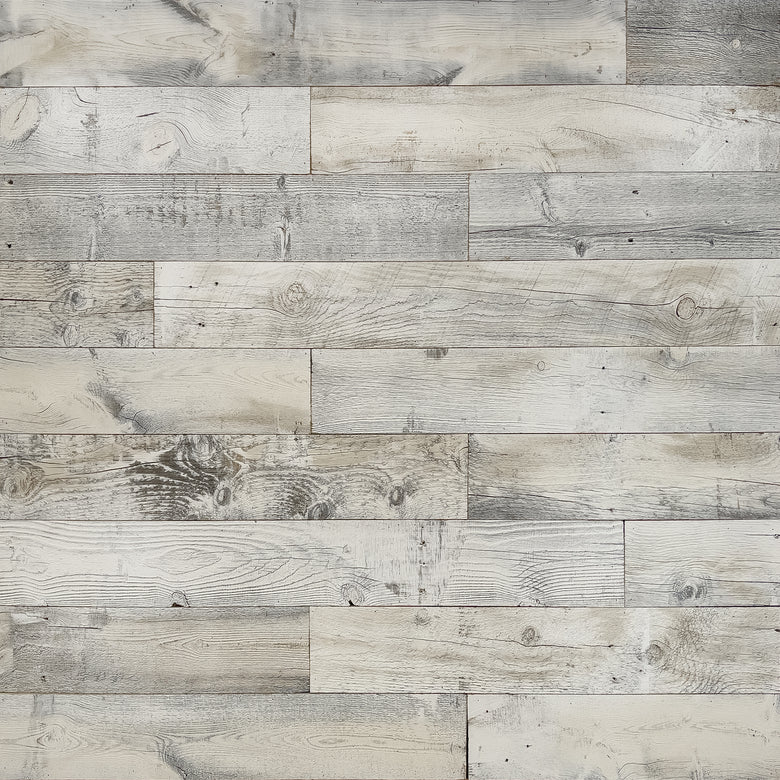
Installation Advantages of Smaller Panels

Benefits of narrow paneling

Narrow panels also come with installation advantages. Wider plank material tends to come from harder wood species. While hardwood sounds desirable, it actually creates installation challenges for wall paneling and siding. Harder woods are difficult to nail, requiring pre-drilling and more time with each board. They're also heavier, making overhead work, exterior ladder work, and larger projects more physically demanding.

Narrower panels, typically made from softer, naturally weathered wood, are easier to install. You can work faster with a nail gun, make adjustments without fighting the material, and complete your project with less frustration.

Visual Difference: Less Than You'd Expect

The visual difference between an 8-inch plank and a 5-inch plank is surprisingly subtle once installed. Unless you're examining the wall from inches away, the overall texture and appearance remain similar. If you're after a weathered aesthetic with natural character, the width of individual planks matters far less than the wood's quality and finish. This holds true whether you're viewing an interior accent wall up close or admiring your siding from the curb.

Matching Panel Size to Your Project

The right panel size depends on several factors specific to your space and goals. Consider these elements when making your selection.

Room Size and Proportions (Interior)

Panel width interacts with your room's dimensions. In smaller spaces, narrower panels can make walls feel less busy. Larger rooms can handle either width without overwhelming the space. The number of panels you'll see on an entire wall affects how the room feels overall.

Think about your layout and where the eye naturally travels. A feature wall behind furniture draws attention differently than wood wall paneling wrapping an entire room.

Home Exterior and Curb Appeal

For exterior siding, consider how panel width complements your home's architectural style. Narrower planks often suit traditional homes, while medium widths work well across various styles. The scale of your home matters too, larger facades can accommodate different widths than smaller structures.

Horizontal vs. Vertical Installation

Horizontal vs vertical wood paneling installation

Your installation orientation affects which panel size works best:

  • Horizontal installation: Makes rooms feel wider, works with various widths

  • Vertical installation: Draws the eye upward, emphasizes height

Working Around Obstacles

Every wall has elements that complicate installation. Interior projects require cutting around light switches, outlets, windows, and architectural features. Exterior siding must work around windows, doors, vents, and fixtures. Narrower panels offer more flexibility when working around obstacles. You waste less material and achieve cleaner results around dado rails, trim work, and exterior architectural details.

Calculating Your Needs

Before ordering, measure your wall space carefully. Calculate the square foot coverage you need, then add 10-15% for cuts and waste. The number of panels required depends on their individual dimensions and your specific layout. Many suppliers offer wall paneling kits sized for common project types.

Top Tip: Order samples before committing to a large purchase. Seeing actual wood samples in your space, under your lighting, reveals things photos cannot. For exterior projects, view samples in natural daylight at different times of day.

Different Types of Wood Paneling Applications

Panel size recommendations vary depending on how you plan to use the material. Different applications have different requirements.

Interior Accent Walls

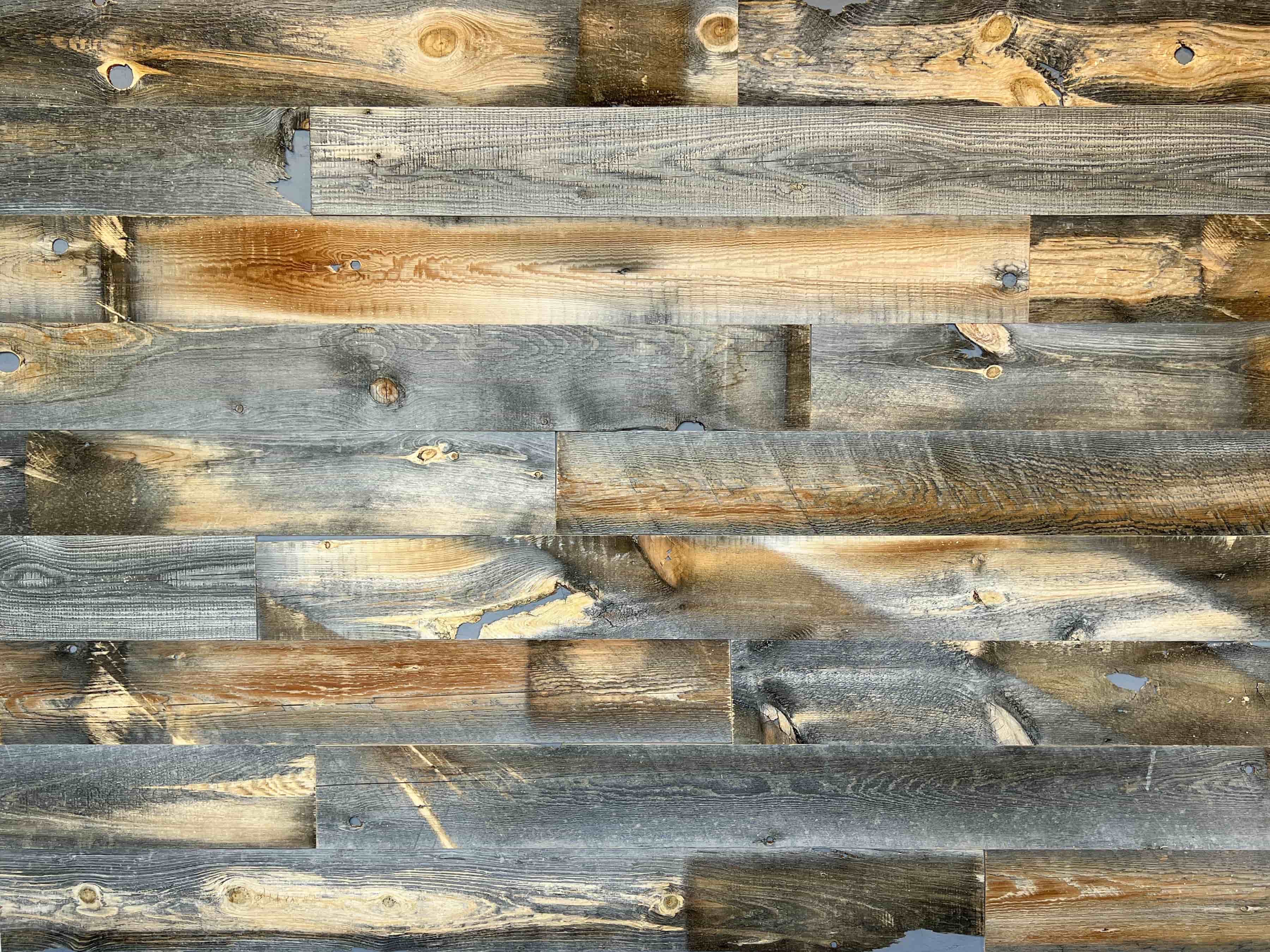
For a single feature wall, you have the most flexibility in panel size. The decorative element takes center stage, and you can choose based purely on aesthetic preference. That said, narrower reclaimed wood panels often deliver the most authentic texture and character.

Full Room Coverage

When covering multiple walls or an entire room, consistency matters more. Narrower panels create a cohesive look and install more efficiently across larger areas. You'll also have an easier time matching grain patterns and color variations across a bigger surface.

Exterior Siding

Exterior applications demand panels that perform under environmental stress. Narrower widths provide better dimensional stability through seasonal changes, and the naturally low moisture content of properly weathered wood helps prevent warping and cupping year-round. The result is siding that maintains its appearance through sun, rain, and temperature swings.

Shaker Style and MDF Options

Shaker wall paneling and MDF panels follow different rules than solid wood. These manufactured options come in custom panel sizes and maintain more dimensional stability. However, they lack the authentic texture and character of real reclaimed wood.


Grey reclaimed wood S3S boards used as siding on a large 2 story home set in the woods.

Centennial Woods: Reclaimed Wood Paneling Built for Performance

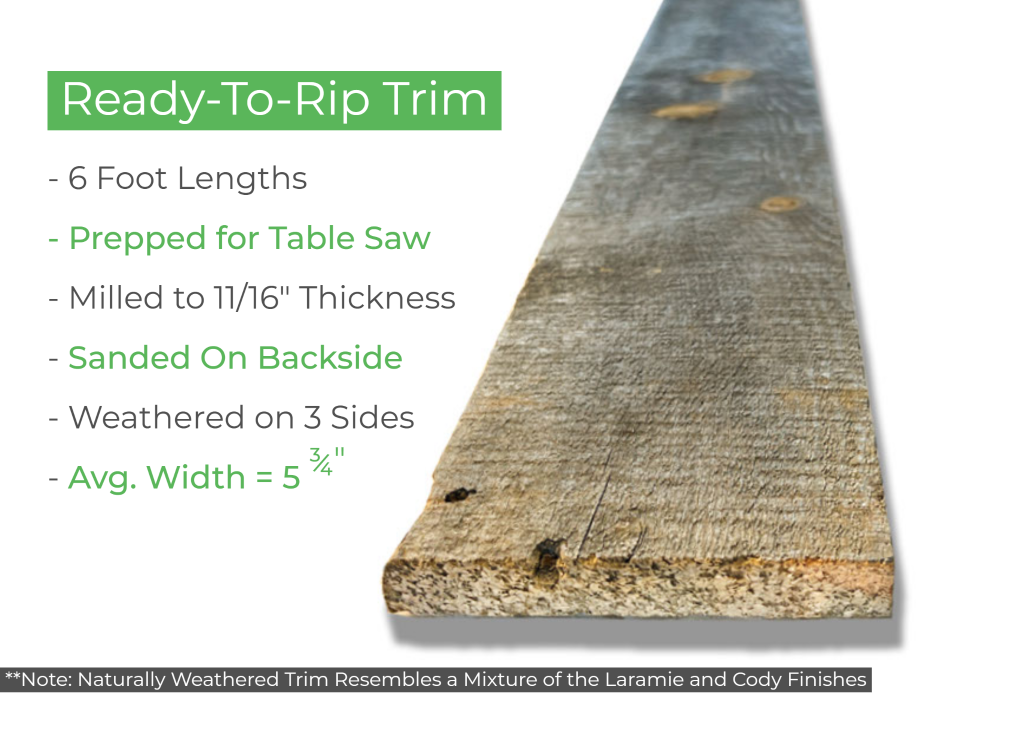
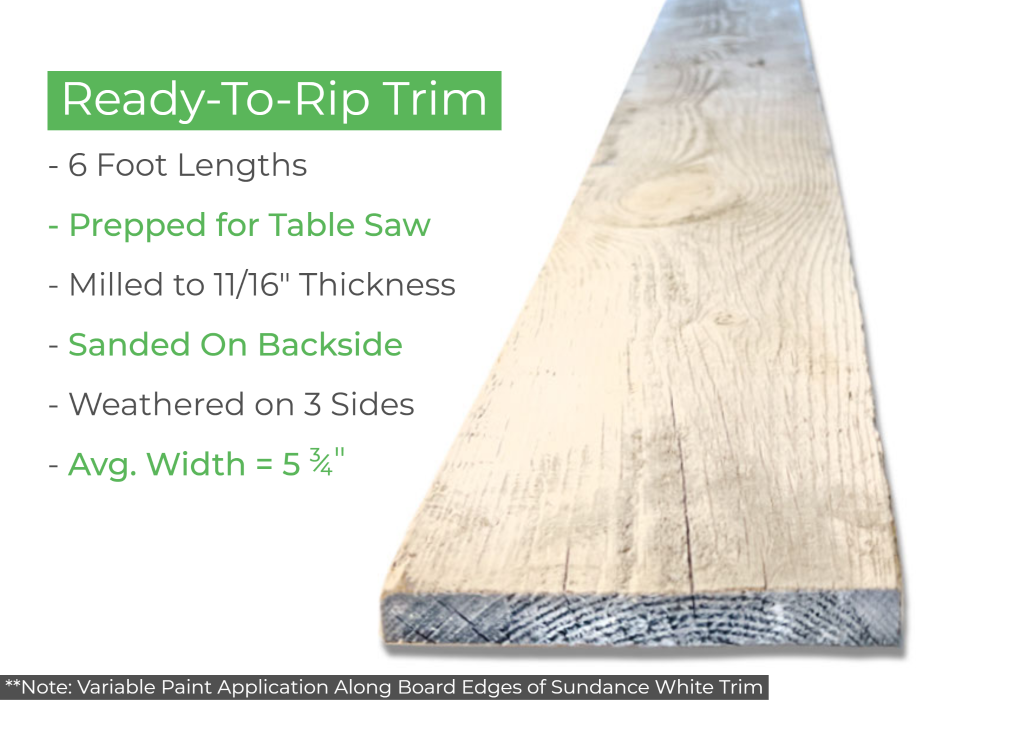
At Centennial Woods, panel sizing is based on what works best for reclaimed wood over time. Boards from Wyoming snow fences that weather naturally for seven to ten years are milled into narrower planks to help prevent cupping, install smoothly, and stay flat for years. With naturally dried wood at 4–8% moisture content, the panels arrive ready to install with less risk of warping than kiln-dried or freshly milled wide planks. For larger interior projects about 500–1,000 sq ft, our bulk order paneling planks offer 6-foot lengths. For 1,000+ sq ft interior orders, we can provide customers with 8- or 10-foot lengths. If they are working on direct-to-stud interior applications or an exterior siding project, we have 8-, 12-, and 16-foot length options.

Centennial Woods offers multiple finish options to match your design vision:

  • Cheyenne: Warm honey and amber tones for traditional spaces

  • Laramie: Weathered gray for contemporary aesthetics

  • Saratoga: Deep, dramatic tones for statement walls

  • Wheatland: Rustic barn wood character for casual settings

  • Cody: Rich, earthy tones with a rustic feel for a natural, organic look

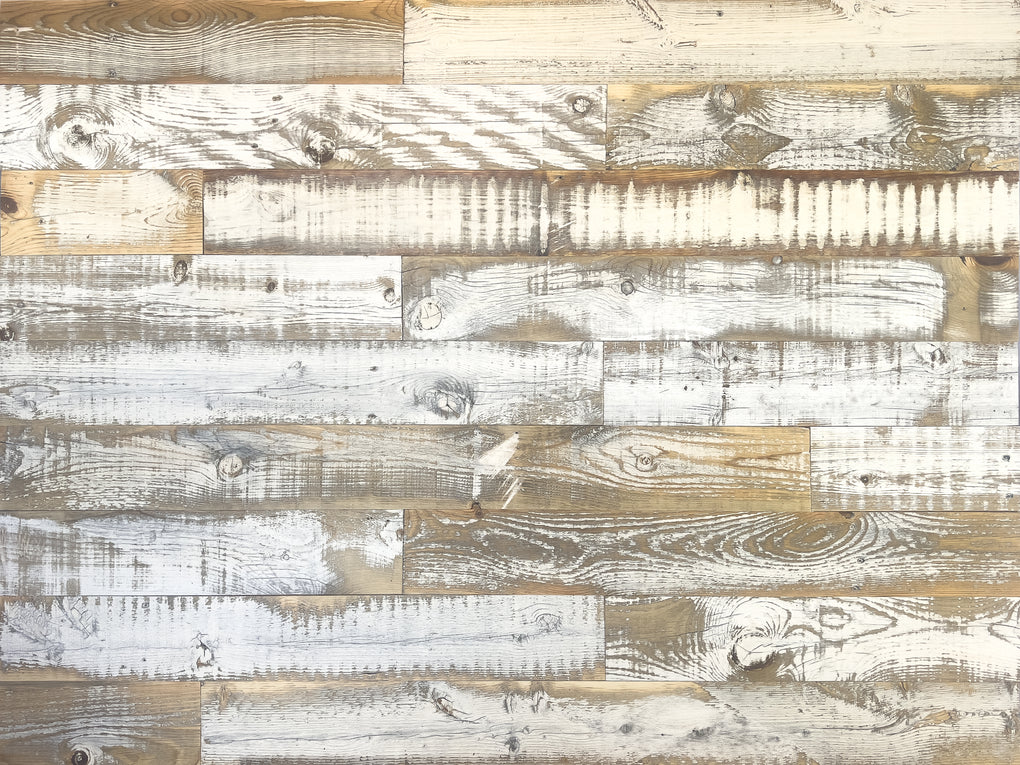
  • Sundance White: Light, airy hues for a clean, modern aesthetic

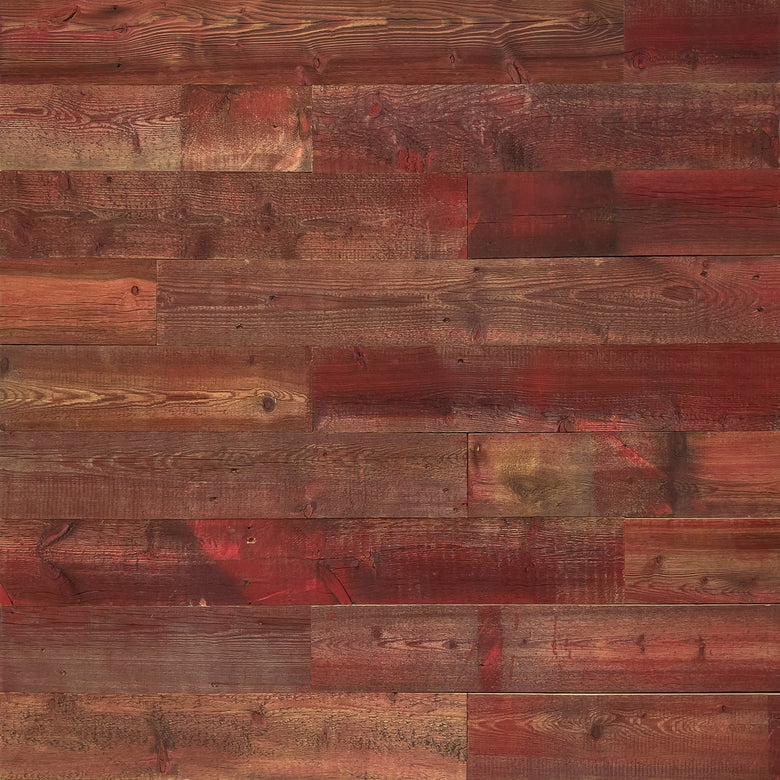
  • Sundance Red: Bold, vibrant red for adding warmth and character to any space

  • Casper: Soft, pale gray tones for a cool, minimalist vibe

All products carry GREENGUARD Gold certification for healthy air quality and FSC® Recycled certification confirming responsible sourcing. The carbon-negative production process means your beautiful walls also represent an environmentally sound choice.

Ready to start your wood paneling project? Request your free wood samples from Centennial Woods today to see the difference that high-quality, naturally weathered reclaimed wood can make in your space. Have questions about panel sizing, quantity calculations, or installation? Contact us for personalized guidance on your project.