reclaimed-wood-siding-laramie-residential-siding-dog|gallery_img product_siding laramie_color use_walls application_exterior type_residential

Patio Wall Ideas: Creative Ways to Define Your Outdoor Space

At a Glance: Patio walls do more than mark a boundary. They define outdoor spaces by adding privacy, built-in seating, wind protection, and visual structure. The best patio wall ideas match your space, climate, and how you actually use your patio.

A good patio wall starts with one question: what do you need it for? Use taller walls to handle privacy or wind, and low walls to add seating and shape the edge of the patio without closing it in. Once you know the purpose, it’s easier to choose the right height, placement, and material for your space.

Types of Patio Walls and What They Do Best

Privacy Walls

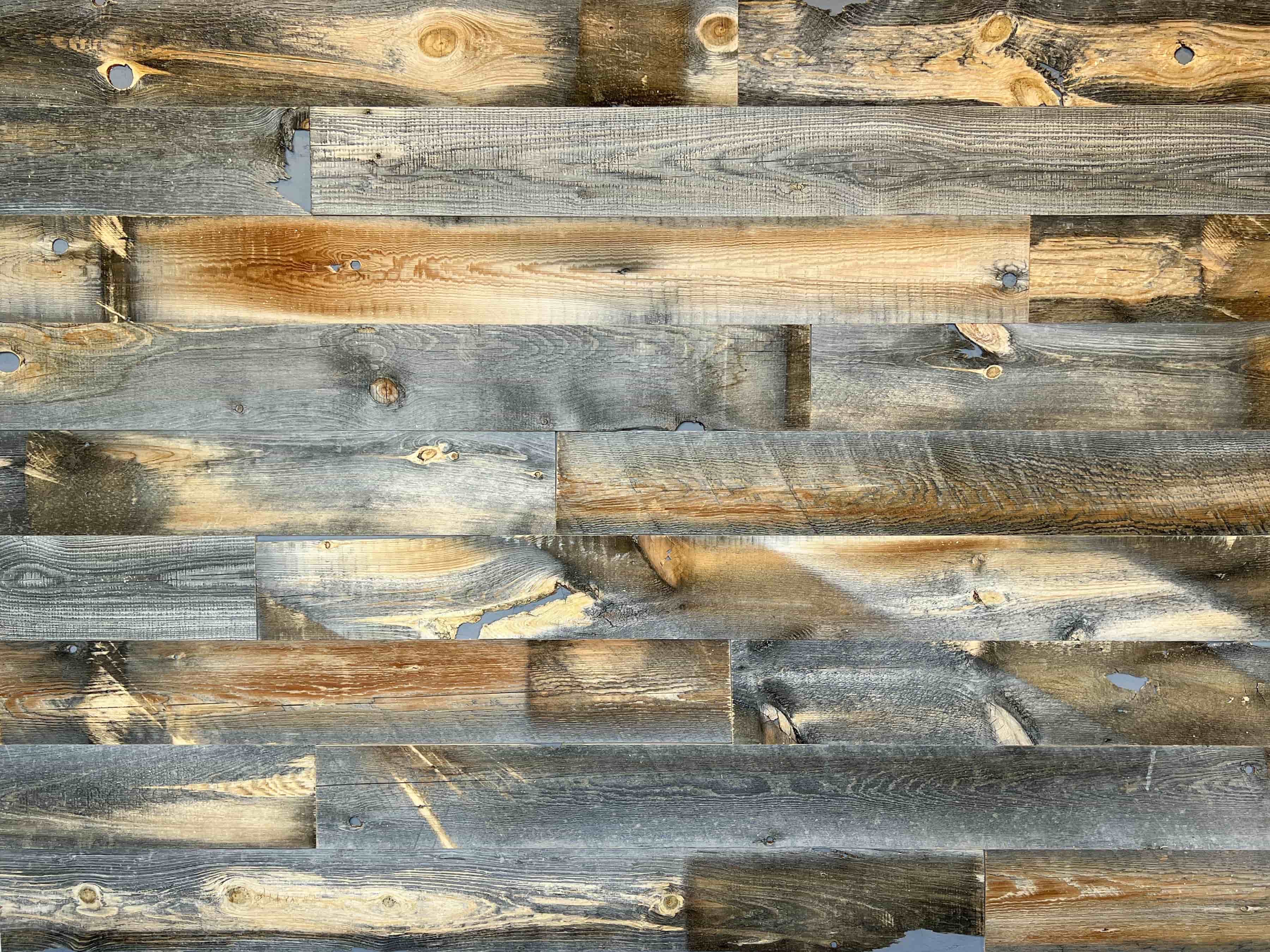
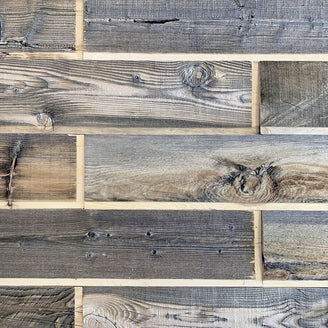
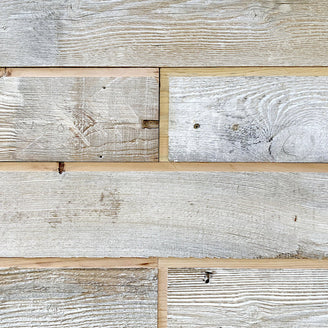
A patio privacy wall blocks views from neighboring yards or streets. These walls are usually 5 to 6 feet tall and can be built from wood, stone, or a combination of materials. Solid reclaimed wood planks provide full coverage with a naturally weathered texture that gives your patio area an organic feel that synthetic materials cannot match. Horizontal plank layouts create a modern, clean look, while vertical board arrangements offer a more traditional style.

Seat Walls

A seat wall is a low wall, typically 18 to 24 inches tall, designed for sitting around a fire pit, outdoor kitchen, or patio edge. A tall seating wall, closer to 30 inches, can serve as a backrest when paired with a lower bench in front. Capping or facing a seat wall with wood adds comfort that cold stone alone cannot offer. Seat walls also reduce the need for bulky patio furniture, keeping your outdoor space open and flexible.

Infographic: seat wall height guide

Retaining Wall Cladding

A retaining wall holds back soil on sloped properties and creates level ground for your patio area. Most range from 12 to 48 inches tall, depending on the grade change. The structural base is usually stone, block, or poured concrete. Adding reclaimed wood cladding to the face brings natural warmth to an otherwise plain surface, especially when the wall is visible from your main seating area.

Decorative and Accent Walls

Weathered wood paneling is one of the most popular choices for outdoor accent walls because every board tells a story through its natural grain and weathered texture. These can be freestanding or attached to an existing structure. Patio wall decor like string lights, mounted planters, or a bird feeder pairs naturally with a wood backdrop. Combining a wood accent wall with a wall of plants in vertical planters creates a layered, living design that changes with the seasons.

Choosing the Right Material for Your Patio Wall

The material you pick affects how your wall looks, how long it lasts, and how much upkeep it needs.

  • Natural Stone: Traditional look that holds up in most climates and pairs well with garden beds and outdoor fireplaces. However, it comes with higher material and labor costs, heavy weight, and a cold appearance that some homeowners find uninviting.

  • Concrete Block: Affordable and strong, making it a common choice for retaining walls and structural bases. Most homeowners face block walls with wood or stone veneer to avoid a plain, industrial look.

  • Brick: Classic feel that works well for seat walls, columns, and borders. Brick hangers make it simple to add decor, but the uniform appearance can feel repetitive and lacks the organic variation of natural wood.

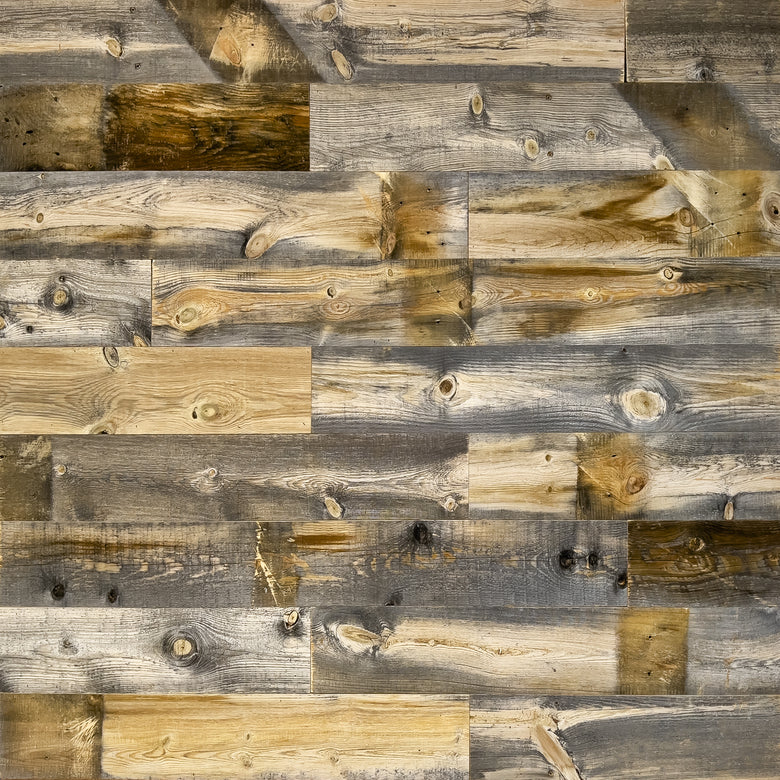
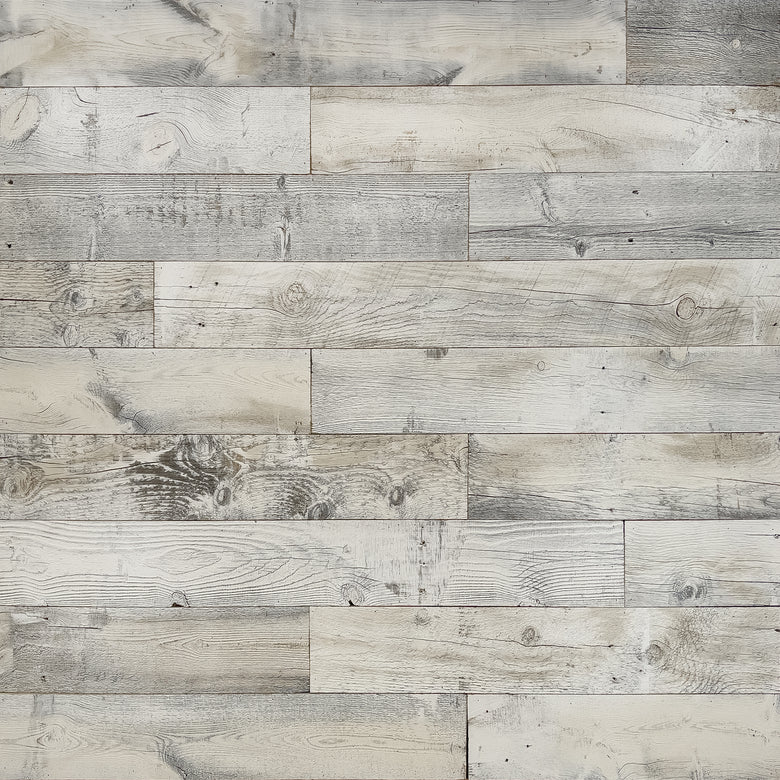
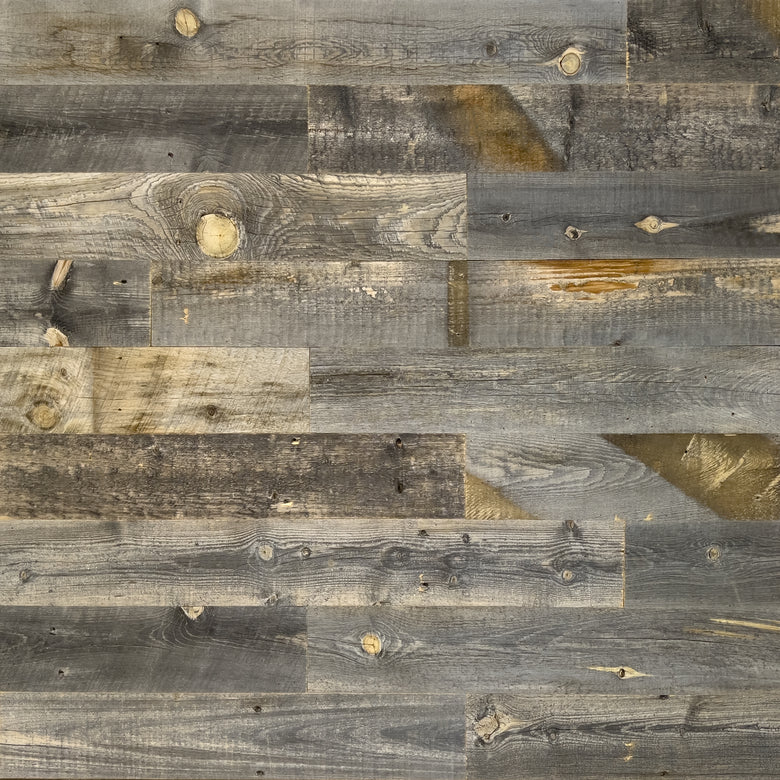
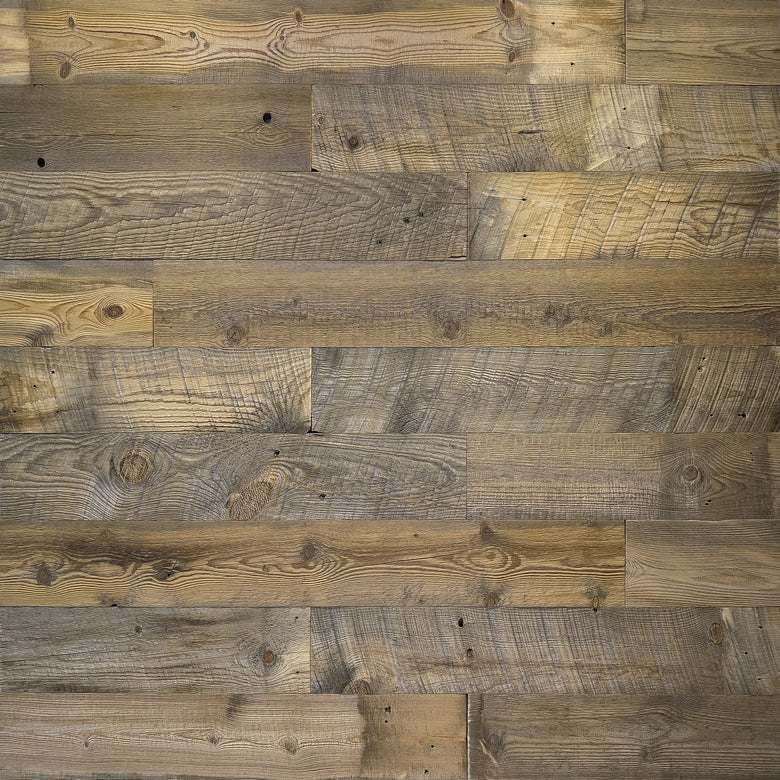
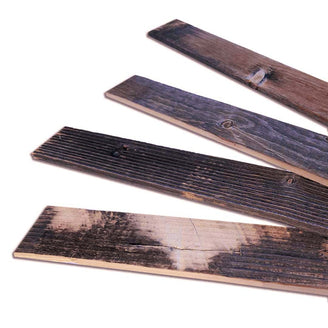
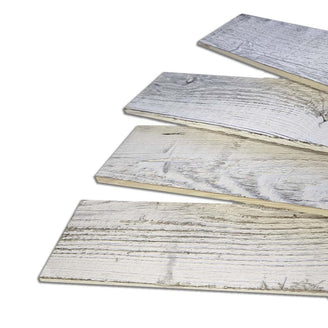
  • Reclaimed Wood: In a class of its own for character and warmth, with unique grain patterns, color shifts, and surface texture shaped by years of outdoor exposure. Works for privacy walls, accent walls, and cladding over existing structures, pairing well with stone, metal, and plants.

  • Composite Materials: Engineered options attempt to mimic the look of wood or stone while requiring less upkeep over time. However, they lack the authentic texture and depth that only real, naturally aged wood can deliver.

Functional Features to Build Into Your Patio Wall

The best patio wall ideas go beyond looks. They add real function to your outdoor living space.

Fire Features and Outdoor Kitchens

Wrapping a stone or block cooking structure in wood paneling ties the area into the rest of your patio design. Near a built-in outdoor fireplace or fire pit, accent walls create a cozy gathering spot for guests. When using wood near fire features, a fire-retardant treatment with a Class A rating keeps the installation safe.

Privacy and Wind Protection

Solid wood walls on one or two sides of your patio block wind and noise. Wood privacy walls provide full coverage while adding a natural, layered look that softens your outdoor room. For a lighter approach, slatted wood screens or a wall of plants in vertical garden beds filter wind without creating a boxed-in feeling. This is especially useful near a hot tub or seating area where privacy matters most.

Planters, Lighting, and Decor

reclaimed wood wall with light fixtures and a planter box

Raised garden beds or planter boxes built into a wooden wall soften hard edges with greenery. String lights or recessed fixtures mounted along a wood wall create ambiance after dark. Wood is also the easiest wall material to drill into, hang from, and customize over time, freeing up square foot after square foot of usable patio space for patio furniture or gathering areas.

Design Tips for Planning Your Patio Wall

A few practical considerations will help your project come together without surprises.

  • Match the scale of your space. A 6-foot privacy wall works on a large backyard patio. On a smaller patio, low seat walls and half-walls suit compact spaces better.

  • Think about sightlines. Place taller walls where privacy matters and keep lower walls where you would want an open view.

  • Mix wood with stone for depth. A stone base with a wood upper section combines structural strength with natural warmth.

  • Protect your wood. A UV and moisture-protective sealant extends the life of any outdoor wood installation. Near a fire pit or outdoor fireplace, add a fire-retardant sealant.

  • Check local codes. Wall height restrictions and permit requirements vary by area, so confirm setback rules and property line regulations with your local building department before breaking ground.

infographic: design tips for your patio wall

The design ideas are nearly limitless. From a simple wood accent panel to a full outdoor room with built-in seating and reclaimed wood privacy walls, the endless possibilities grow with your imagination and budget.

Centennial Woods: Reclaimed Wood for Your Patio Wall Project

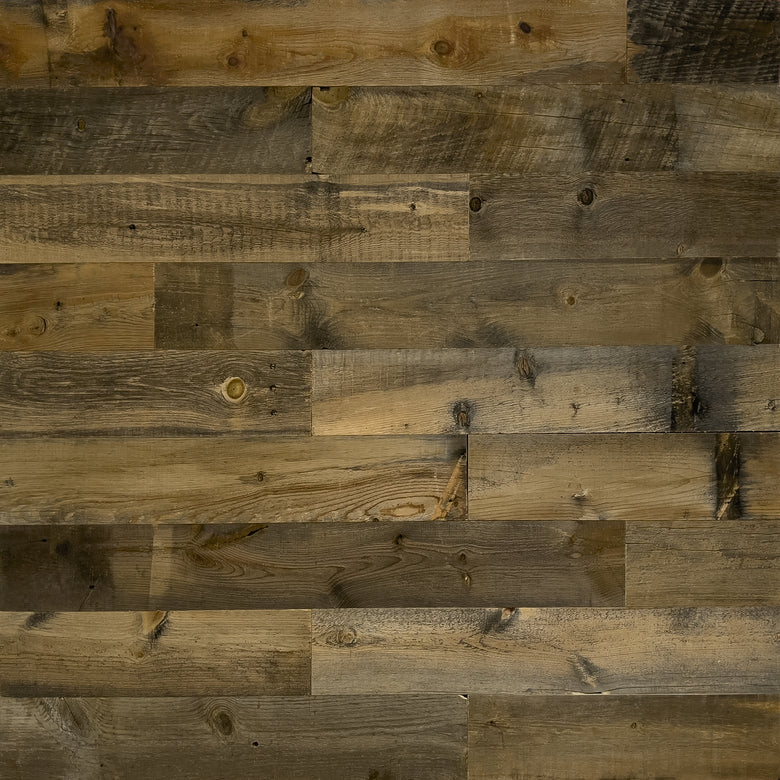
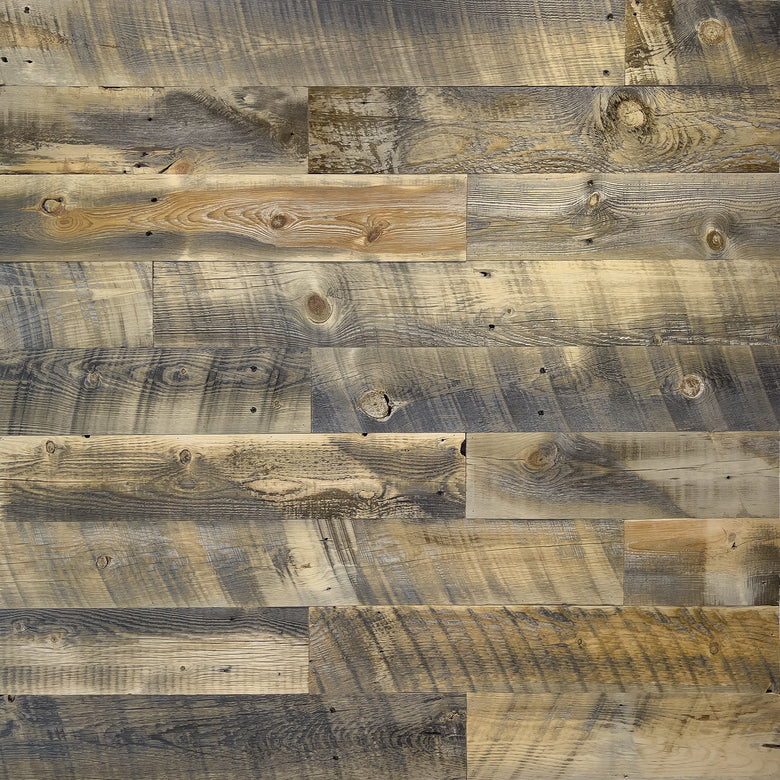
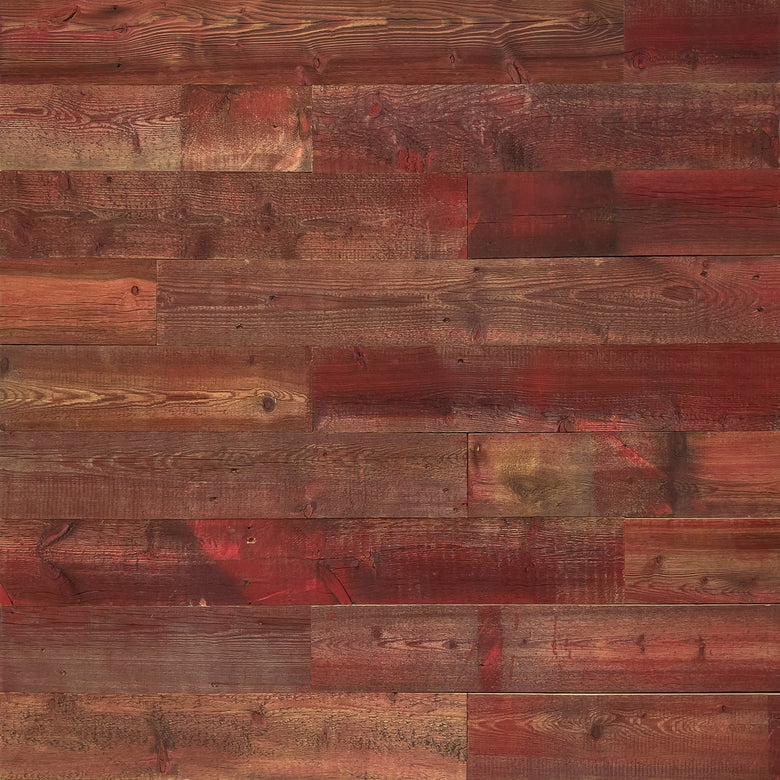
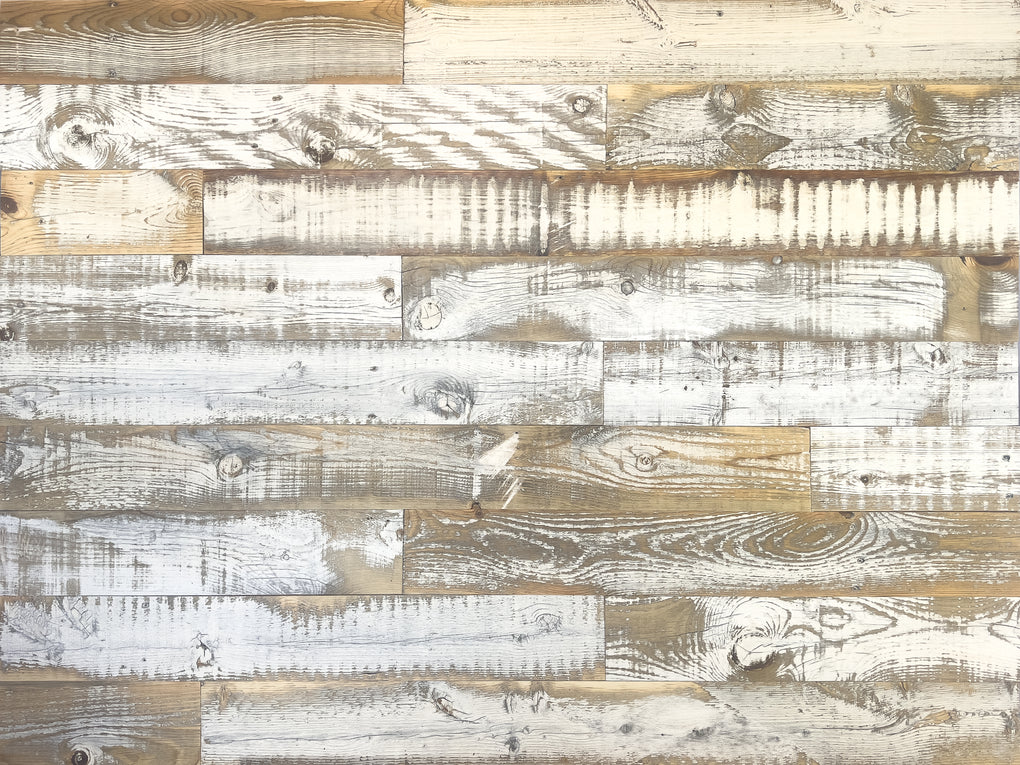
For homeowners and contractors looking for the most authentic way to bring natural character to a patio wall, reclaimed wood from Centennial Woods stands apart. Each board is sourced from Wyoming snow fences that weather outdoors for 7 to 10 years, creating a one-of-a-kind patina shaped by sun, wind, and snow.

Centennial Woods reclaimed wood arrives air-dried to a moisture content of 4 to 8%, providing excellent stability with less risk of warping or cupping. For outdoor patio applications, the optional Centennial Seal protects against UV fading and moisture damage, while Fire Retardant Treatment provides a Class A fire rating for installations near fire features.

All products are FSC® Recycled and GREENGUARD Gold certified, making them a responsible choice for any outdoor living space. The carbon-negative production process means your patio wall also represents an environmentally sound decision.

Ready to see how reclaimed wood can change your patio? Request free samples from Centennial Woods or contact the team for help planning your project.