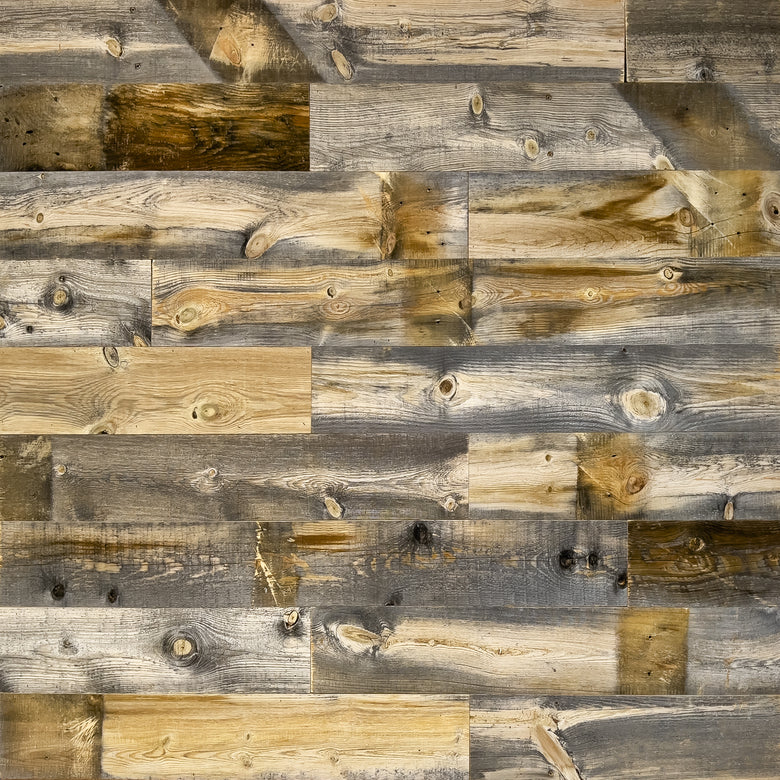
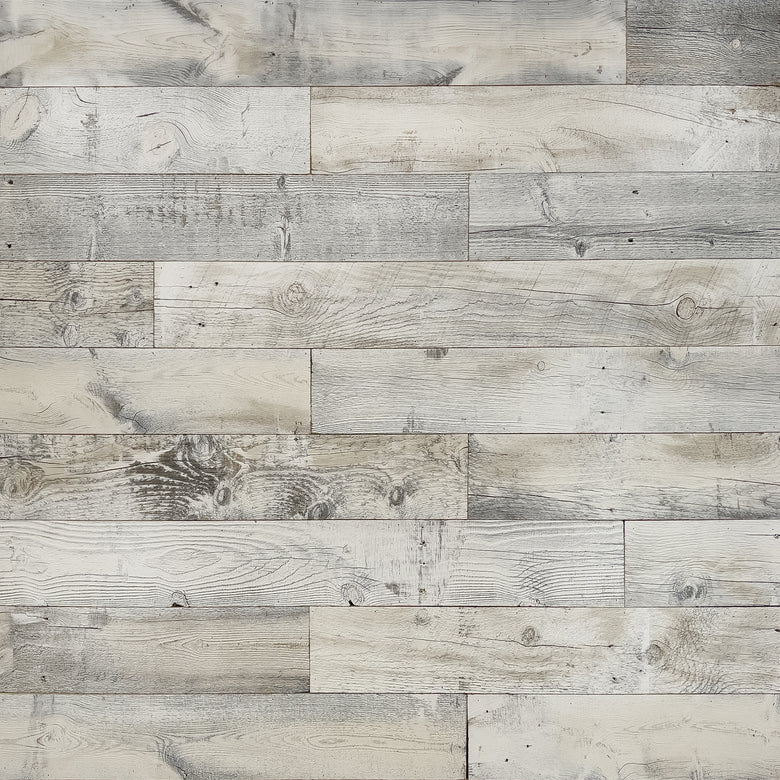
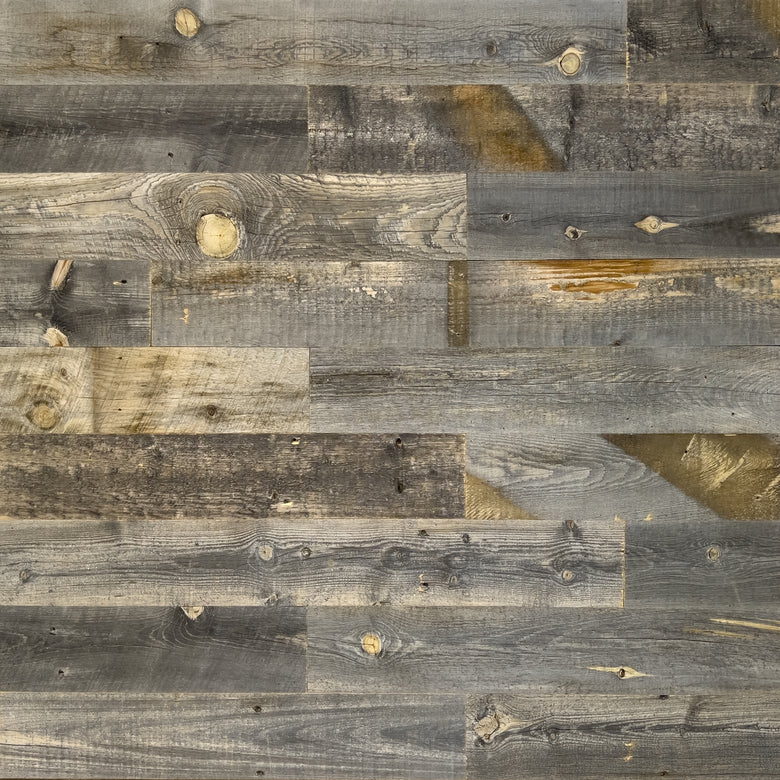
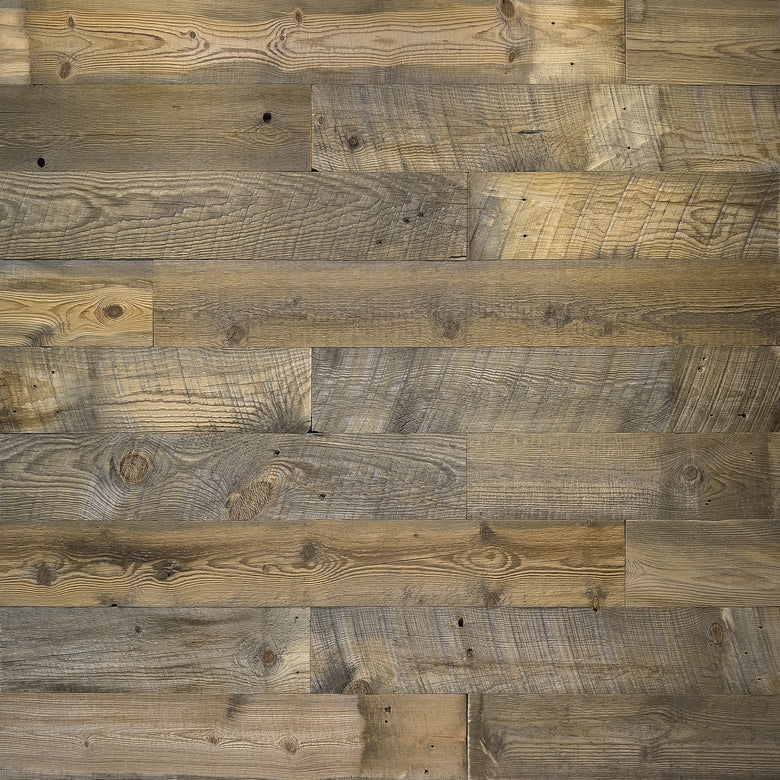
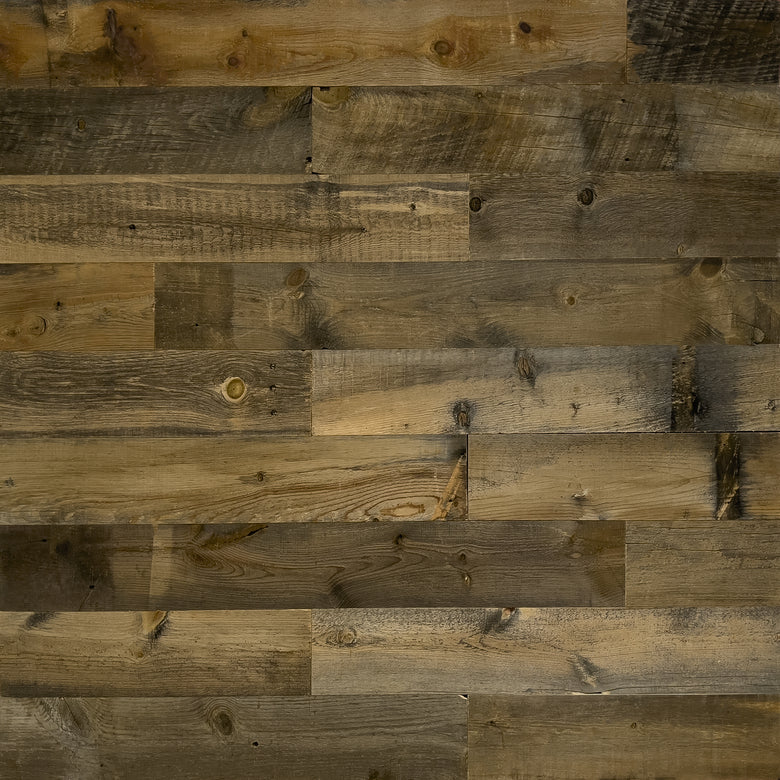
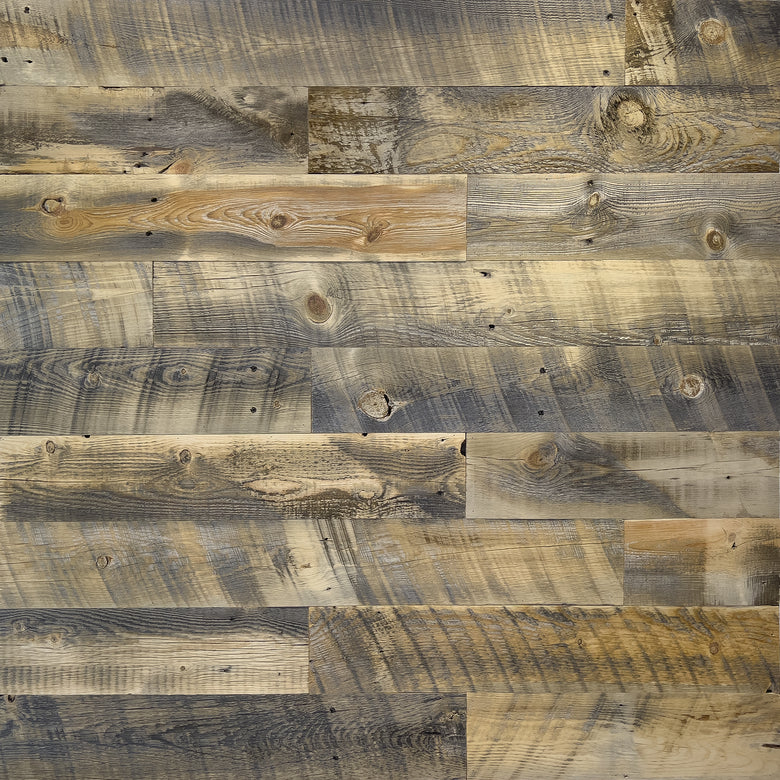
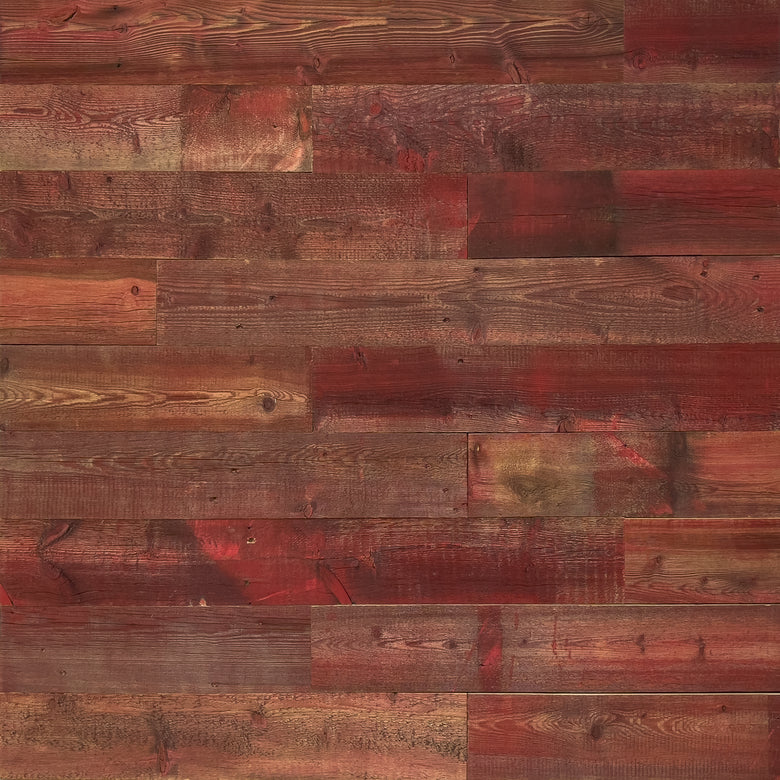
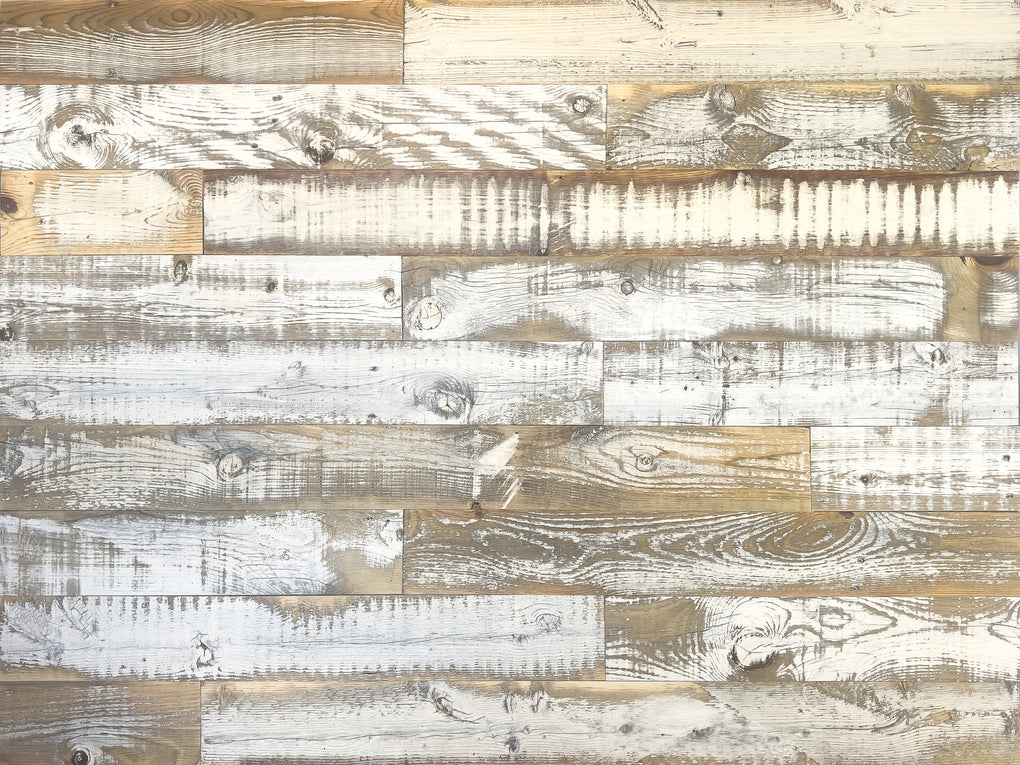
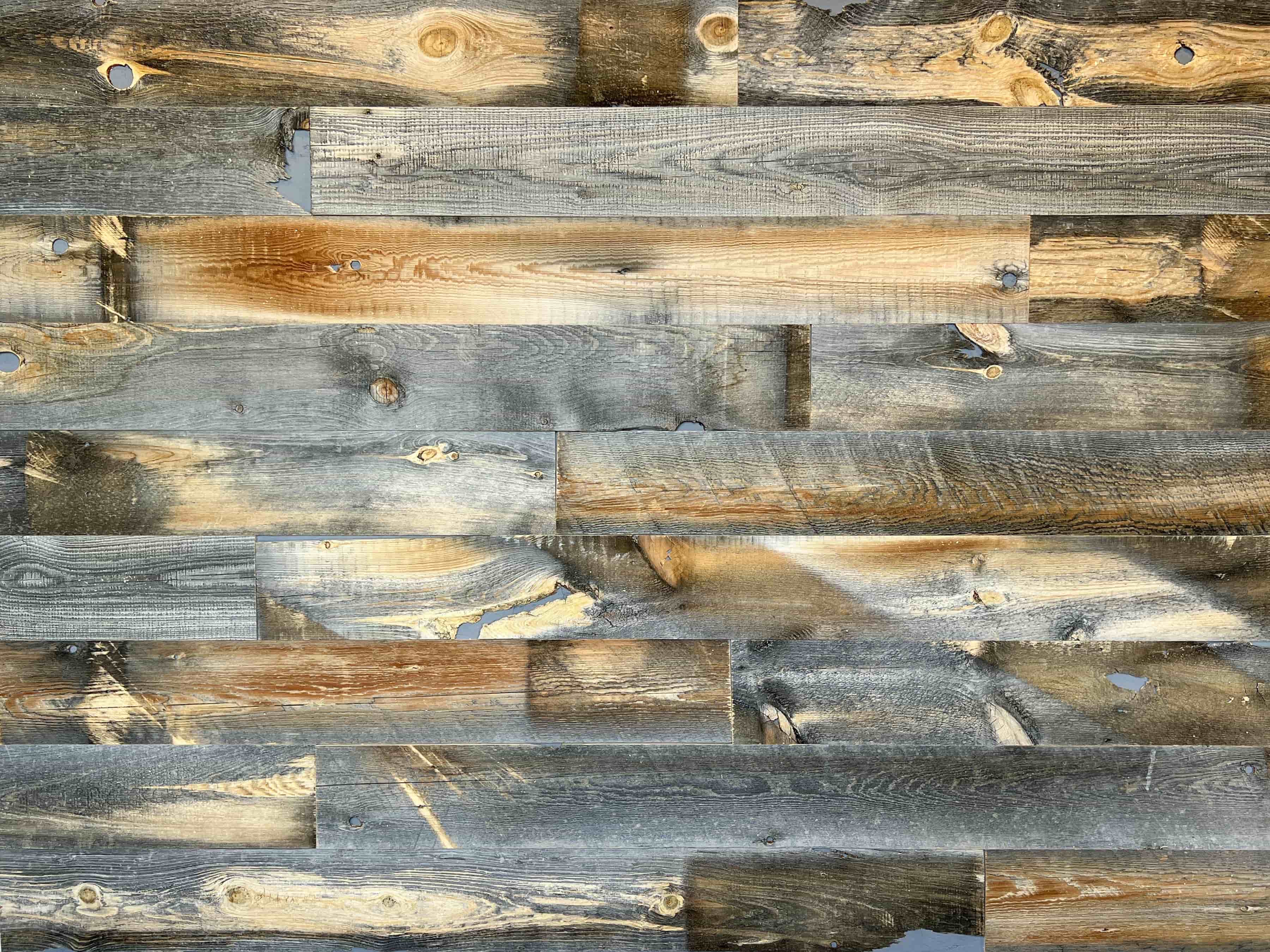
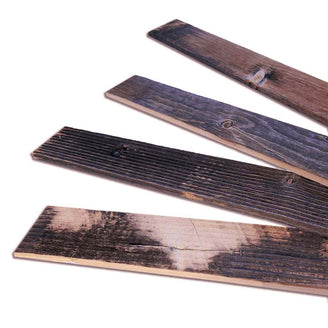
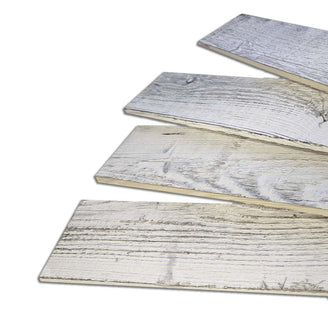
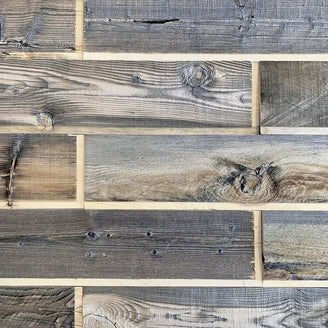
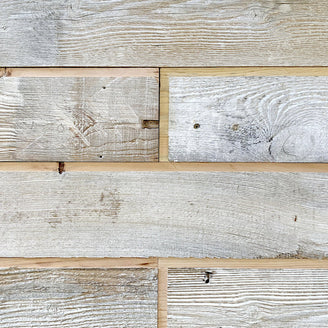
The Short Answer: Reclaimed wood can be used throughout the kitchen, including cabinet doors, islands, open shelving, backsplashes, ceilings, and accent walls. Natural wood in the kitchen adds warmth and character, while reclaimed boards bring weathered texture and unique grain patterns that new and synthetic wood cannot replicate.
Nothing else warms up a kitchen the way wood does. A wood kitchen takes all the cold, hard surfaces that kitchens tend to collect (the stone, the tile, the appliances) and softens them. Reclaimed wood pushes that even further. Every board spent years outdoors getting shaped by real weather, so none of the color variations, the grain patterns, or the old nail holes are manufactured. Because of that, no two wooden kitchens built with reclaimed material will ever look the same.
Why Choose a Natural Wood Kitchen?
A natural wood kitchen can look right at home in a country farmhouse, a mountain cabin, or a downtown apartment with contemporary design and clean lines. Here is why so many people end up choosing natural wood materials for the kitchen:
-
Natural warmth: Wood takes the edge off hard surfaces. A kitchen full of stone and stainless steel can feel a little clinical. Add wood, and suddenly it feels like a room you want to hang out in, not just cook in.
-
Unique character: Knots, color shifts, and natural grain make every surface look different. Two boards will not match each other, even if they were pulled off the same snow fence.
-
Flexible style: Wood does not lock you into one look. It sits comfortably in modern spaces with sharp, clean lines and in rougher, more textured rooms. That versatility is hard to find in other materials.
-
Sustainability: Reclaimed wood gives old lumber a second life instead of sending it to a landfill or burning it.
Reclaimed Wood Ideas for Every Kitchen Surface

You can go big with reclaimed wood in the kitchen, or you can keep it subtle. It depends on the room, your budget, and how bold you want to be.
Cabinets and Shelving
Wood kitchen cabinets are the most obvious way to bring wood into a kitchen, and most people start here.
Reclaimed wood cabinetry takes a completely different approach. A skilled cabinetmaker can build cabinet doors, drawer fronts, or end panels out of reclaimed boards, and you end up with unique kitchen cabinets.
Thick reclaimed boards mounted as open shelves can take the place of an upper cabinet run. They open up the kitchen, put your dishes and cookbooks and plants on display, and they put visible wood grain right at eye level.
Kitchen Islands
The island is usually the thing people walk toward first when they step into a kitchen. That makes it a natural spot for reclaimed wood because whatever you put there is definitely going to get noticed.
Wrapping the island base or end panels in weathered boards is one of the easiest ways to create contrast against painted kitchen cabinets along the walls. Especially in a white kitchen, warm wood tones on the island give the room character. They add depth and personality in the one spot where everybody gathers.
Backsplashes
A reclaimed wood backsplash puts texture in a spot where most kitchens go with tile or a flat coat of paint. It makes a real difference, especially in areas away from direct water.
Seal the boards with a good finish and they handle the occasional splash just fine. But keep reclaimed wood off the wall directly behind the sink or right next to the cooktop. Constant moisture and grease can affect the wood’s appearance.
Kitchen Accent Walls
Coffee stations, breakfast nooks, and the wall behind open shelving are perfect areas for a kitchen accent wall. A single weathered wall gives an eating area its own identity inside the larger kitchen. In an open floor plan, a reclaimed wood accent wall also helps mark where the kitchen ends and another space begins.
Ceilings and Beams
Reclaimed wood on the ceiling does not take up any counter space, floor space, or wall space, but it completely changes the feel of the kitchen. Planks or beams overhead make the room feel warmer and more intimate without making it feel smaller.
It works especially well when the rest of the kitchen is lighter. With white cabinets or lighter wood below and weathered wood above, the ceiling adds warmth and the lower half stays bright. The contrast between the two is what makes the whole thing land.
Choosing Wood Tones and Finishes
The wood tone you pick and the finish you put on it set the mood for the entire kitchen. These two decisions are worth spending some time on because they affect everything else in the room.
Mixing Wood Tones

Having more than one wood tone in a kitchen is usually fine, but using the wrong shades together can make it look out of place in your kitchen. A little planning fixes that:
-
Choose a dominant tone: Pick one primary wood tone, like light oak cabinets or oak kitchen cabinets, and let it run the room. Everything else plays a supporting role.
-
Create intentional contrast: Pairing dark wood cabinets with lighter shelving or a lighter wood ceiling works, but only when the contrast looks deliberate. If it looks like you ran out of matching material, it looks like a mistake.
-
Consider undertones: Warm wood tones sit well together. Cool, gray weathered boards pair better with neutral colors and cooler metals. Mixing warm and cool without thinking about it is where rooms start to feel jumbled.
-
Repeat each tone: Use every wood tone in the room at least twice. A single piece of one tone surrounded by a completely different one looks like a leftover, not a design choice.
A layered mix of lighter wood, darker finishes, and natural grain can make a kitchen feel rich and intentional without any of it clashing.
Picking a Wood Finish
The finish does two things: it protects the wood, and it determines what the wood ends up looking like. In a kitchen, both of those matter more than in most rooms.
-
Clear matte sealer: Keeps the natural grain and the weathered character visible. The wood basically looks the same as it did before you sealed it, just protected. If you love how the raw board looks, this is the one.
-
Penetrating oil: Deepens the wood tone and adds a soft, low sheen. It looks beautiful, but oil finishes need reapplication more often.
-
Stain: A stain color shifts the wood tone so it coordinates with your cabinets, flooring, or whatever else is happening in the room. It’s useful when you love a board's texture but wish it were a shade or two different.
-
Polyurethane or varnish: Builds a harder film on top of the surface. It’s best for high-touch spots like cabinet doors and island panels that get bumped, wiped, and grabbed every day.
Kitchens deal with steam, grease, splashing water, and constant use. Test any finish on a scrap board before committing to a whole wall or cabinet run. And a lot of people go with low-VOC (volatile organic compounds) finishes for kitchens specifically, since that is the room where your family cooks and eats.
Caring for Wood in the Kitchen

Reclaimed wood in the kitchen is versatile but still requires upkeep. A few habits go a long way:
-
Wipe spills fast: Standing water and grease soak into wood if they sit. Catching spills quickly keeps the finish intact and prevents stains from setting in.
-
Clean gently: Mild soap, water, and a soft cloth is all you need. Harsh chemical cleaners strip finishes and dry the wood out, which is the opposite of what you want.
-
Manage humidity: Run the range hood while you cook. Steam and moisture build up in a kitchen faster than people realize, and wood surfaces nearby absorb every bit of it.
-
Refresh the finish: When water stops beading and starts soaking into the surface, it is time for another coat of sealer or oil. Do not wait until the wood looks bad.
If you are in the middle of planning a bigger kitchen remodel and trying to figure out where wood cabinetry, reclaimed accents, and other materials will work best, an interior designer or kitchen designer can help you map the whole thing out before anyone picks up a hammer.
Centennial Woods: Reclaimed Wood With Natural Character
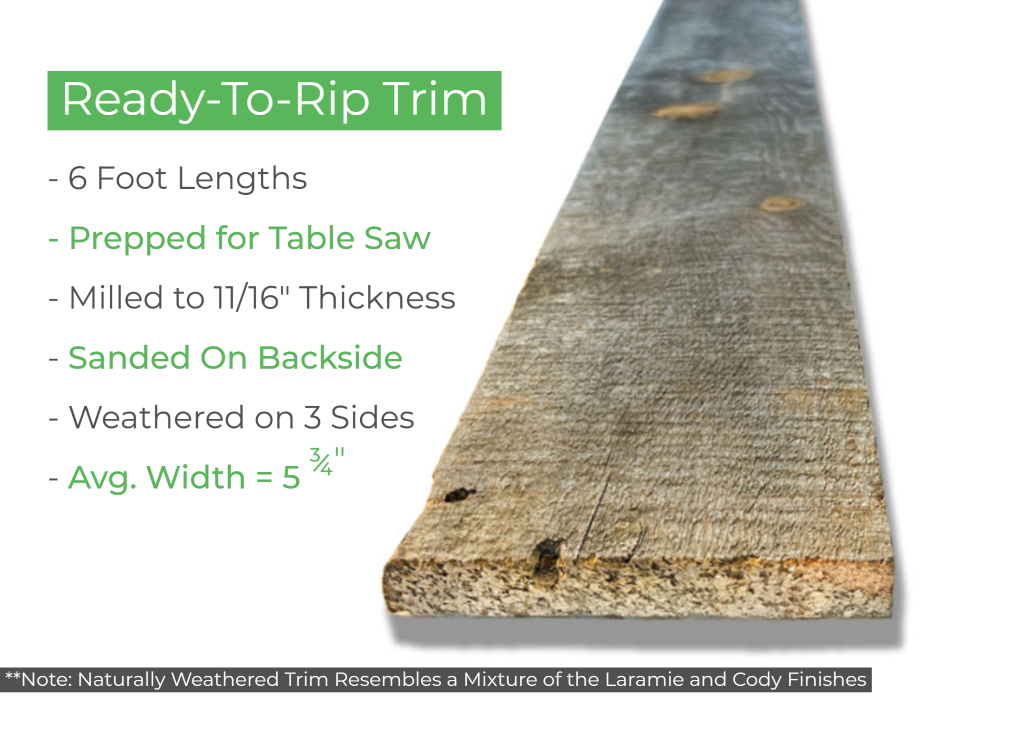
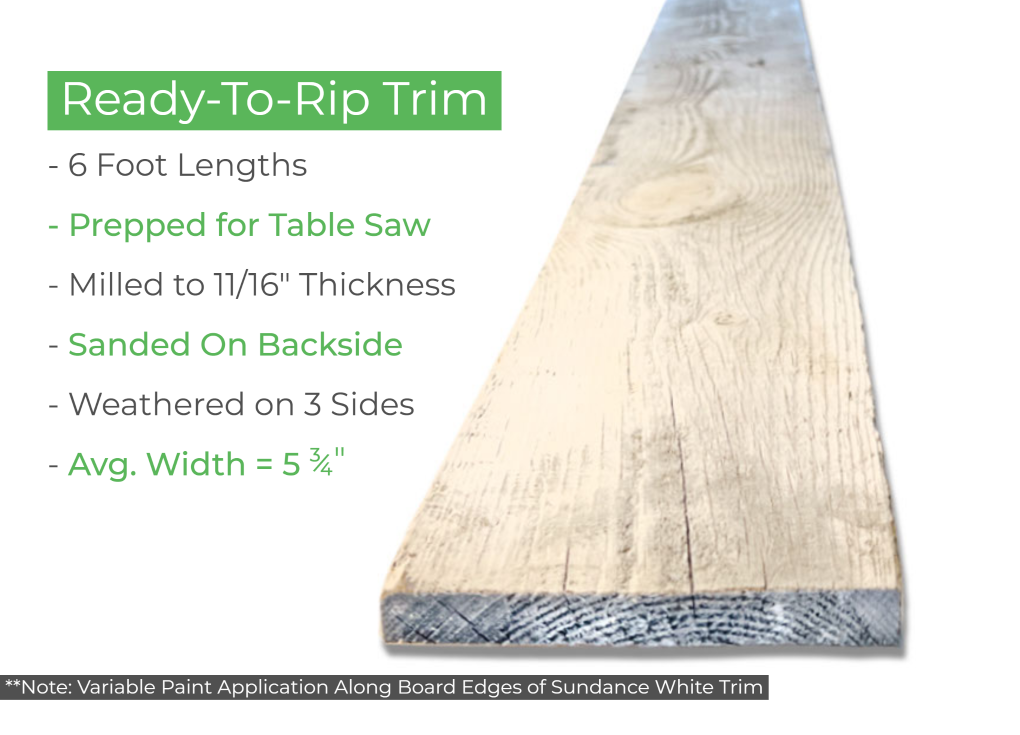
A natural wood kitchen starts with material that actually has something behind it. Centennial Woods reclaims wood from the snow fences that line hundreds of miles of Wyoming roadways, where they help keep winter roads safe and open. After seven to ten years of sun, wind, and snow, those boards come down with a naturally weathered patina and a character that only happens with real time and real weather.
Centennial Woods also offers Centennial Seal, a water-based sealer that guards against UV exposure and water damage. It soaks into the wood fibers to form a water-resistant barrier without darkening the patina. It can cover up to 437.5 square feet with just one quart and lasts roughly 5 to 10 years.
Ready to bring natural warmth into your kitchen? Browse Centennial Woods reclaimed wood paneling to start your next project.