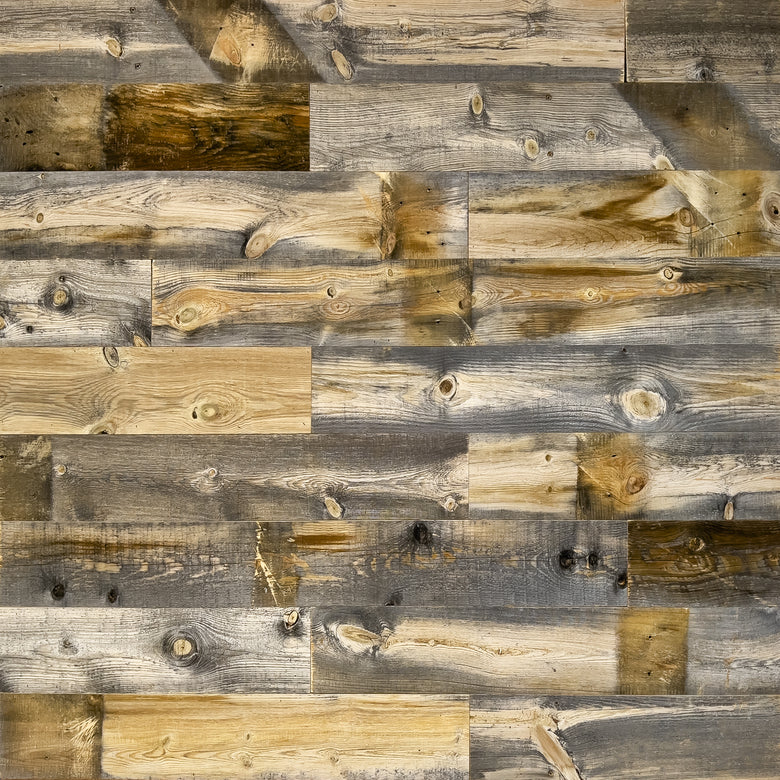
wood plank walls break room

Reclaimed Wood Projects: Ideas, Techniques, and Material Tips

The Short Answer: Reclaimed wood projects use salvaged lumber to build furniture, wall features, and decor with built-in character. The wood's natural weathering, knots, and grain patterns add story and warmth that new lumber cannot match.

Reclaimed wood projects turn old boards into new pieces with real history. Homeowners, designers, and builders pick reclaimed materials because each plank carries its own marks, color, and texture. The same boards work for a coffee table, an accent wall, or exterior siding, offering a rustic look that fits both traditional and modern spaces.

Understanding Reclaimed Wood and Where It Comes From

Reclaimed wood is salvaged lumber pulled from old structures, fencing, and other original uses and milled for new builds. Each piece of wood arrives with weathering, nail holes, and grain patterns that no factory can copy. The starting point for any wood project is knowing where the material came from, since the source shapes color, texture, and durability.

Common Sources of Reclaimed Wood

Different reclaimed wood sources bring their own look, history, and best-fit applications:

  • Barn wood: Variable weathering and natural color variations, with potential exposure to animals or chemicals

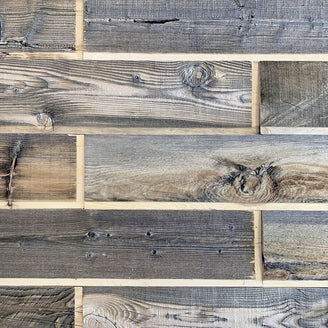
  • Snow fence wood: Distinct weathering patterns from open mountain climates, well-suited for wall paneling

  • Factory lumber: Industrial character with possible paint remnants, good for modern furniture builds

  • Warehouse materials: Larger dimensions suited for bold wall installations and substantial furniture pieces

  • Pallet wood: Shorter scrap pieces that work for small DIY builds like picture frames and wall art
What Makes Reclaimed Wood Different from New Lumber

Infographic: Reclaimed Wood vs. New Lumber

Reclaimed wood has had time to dry and settle. Properly weathered and air-dried reclaimed boards reach a low moisture content, which lowers the risk of cupping or warping after installation. New lumber, by contrast, often shifts as it dries inside a finished space. Reclaimed wood that has dried to a low moisture content is also less hospitable to common wood-boring insects, which prefer damper material.

Popular Reclaimed Wood Projects for Any Skill Level

Reclaimed wood works for builds of every size. A small wood sign or picture frame makes a great first project, and the same material scales up to full furniture sets, accent walls, and whole-room installations.

Small Decor and Wall Pieces

Small builds use less material and work well as standalone pieces or starter projects. These pallet projects and scrap wood ideas turn leftover boards into useful items.

  • Picture frames: A picture frame made from reclaimed barn wood adds rustic charm to family photos and prints.

  • Wood signs: Hand lettering on a flat piece of wood creates personal art for entryways, kitchens, or porches.

  • Coat racks: A wall-mounted coat rack pairs a single board with metal hooks for a welcoming entryway piece.

  • Wall art: Small frame pieces or mounted plank designs add texture and rustic charm to any room.

  • Floating shelves: Pair a smooth surface board with hidden brackets for instant storage and display space.

Furniture Builds

reclaimed wood receptionist desk

Larger pieces open up plenty of design freedom. Coffee tables, headboards, bench seats, console tables, and statement pieces like reception desks or bars all follow the same basic build process, and the natural grain and knots make every piece one of a kind. A pocket hole jig speeds up assembly by hiding screws while keeping joints tight, and wood glue along seams adds long-term strength.

Walls and Whole-Room Installations

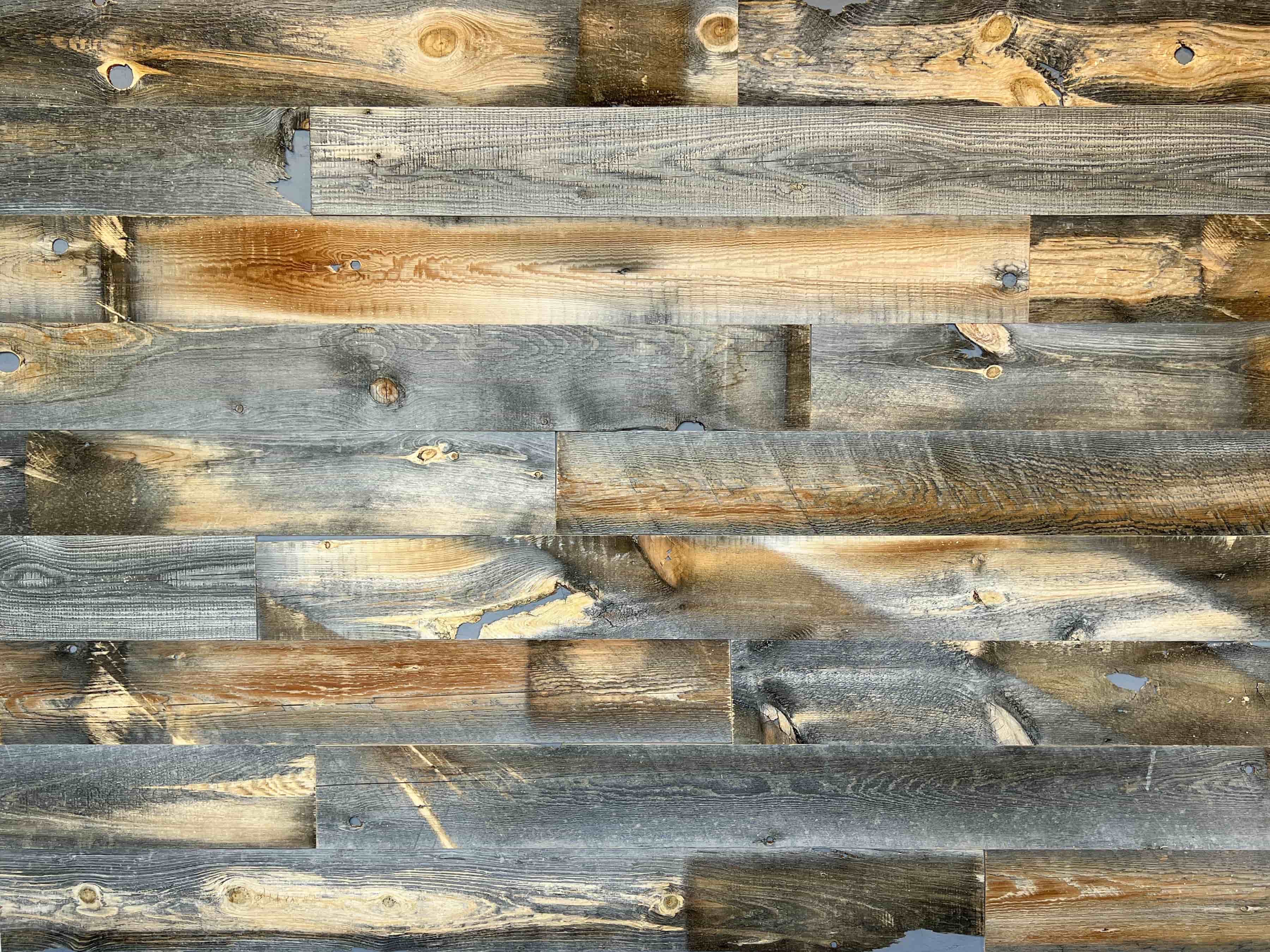
For bigger jobs, a reclaimed wood wall makes a strong statement. Accent walls behind beds, fireplaces, or dining tables draw the eye and anchor the room's interior design. Full ceiling installations and beam wraps take the look further. Browse reclaimed wood paneling applications for room-by-room ideas. The same architectural design touches work outside too, with weathered wood holding up well as siding under the sun and weather when properly milled.

Tools and Techniques for Working with Reclaimed Wood

Working with reclaimed wood differs from working with new lumber. Older boards may have hidden nails, uneven thickness, and rough surfaces. A few simple habits help every project come out clean.

Tools Worth Having on Hand

The right tools make reclaimed wood projects faster and safer.

  • Nail gun: Speeds up wall installations and furniture assembly compared to hand nailing

  • Pocket hole jig: Creates strong hidden joints for tables, frames, and shelves

  • Straight edge and square: Old boards often have warped sides, so a straight edge guides clean cuts

  • Wood glue: Adds bonding strength at every seam and joint

Infographic: Reclaimed Wood Project Tips

Prep Steps Before You Build

Brush each board to remove dirt and loose splinters. Pull or set any visible nails. For interior projects, a light sanding smooths rough spots while keeping the weathered surface. Centennial Woods boards arrive ready to install, which cuts prep time on most jobs. If you want a uniform look, sort planks by color and grain before starting the layout.

Design Tips for a Polished Reclaimed Wood Look

Good design ties a reclaimed wood project to the rest of a space. The goal is a balance between rustic character and the room's overall style.

Matching Wood to Your Interior Design

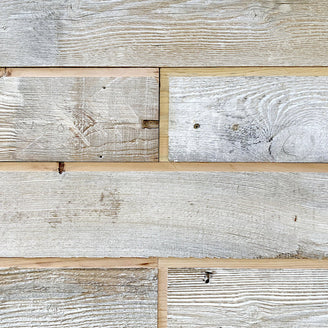
Lighter weathered wood tones suit beach house and cottage styles, while deeper browns and grays fit modern and industrial rooms. Mix reclaimed wood with metal brackets, concrete, or glass for contrast. In an open floor plan, repeating the same wood across the wall, coffee table, and shelves builds a unified look without feeling matched. For more on pairing different shades together, see our guide to wood tones that go together.

Sizing and Layout Choices

Narrower wood planks lay flatter and resist cupping better than wide boards. A run of five to six-inch planks across a wall produces a clean line and quick installation. For furniture, mix board widths for a layered look or stick with one size for a tailored finish. Picture frames, wall art, and other small wood products often work best with shorter scrap pieces, which cuts waste and saves material for future projects.

Finishes and Colors

The natural patina on authentic barn wood usually needs no finish. For surfaces that get heavy use, a clear sealer protects the boards without changing the color. Reclaimed wood also comes in a range of tones, from light grays to deep browns, so you can pick a finish that fits the room without altering the wood.

Centennial Woods: Your Source for Reclaimed Wood Projects

Centennial Woods supplies reclaimed wood for projects of every scale, from a single picture frame to a full home siding job. Our boards come from Wyoming snow fencing that weathers naturally for seven to ten years before being denailed and sold as is for a rustic appearance, or milled in various dimensional planks for a tighter, cleaner look. The result is a favorite material for builders and designers who want real character without the surprises that come with random salvage.

What Sets Our Reclaimed Wood Apart

  • Never exposed to chemicals or animals: Unlike old barn boards, our snow fence wood stays clean throughout its weathering life.

  • Stable moisture content: Air-dried by Mother Nature to 4 to 8 percent, our planks install flat and stay flat.

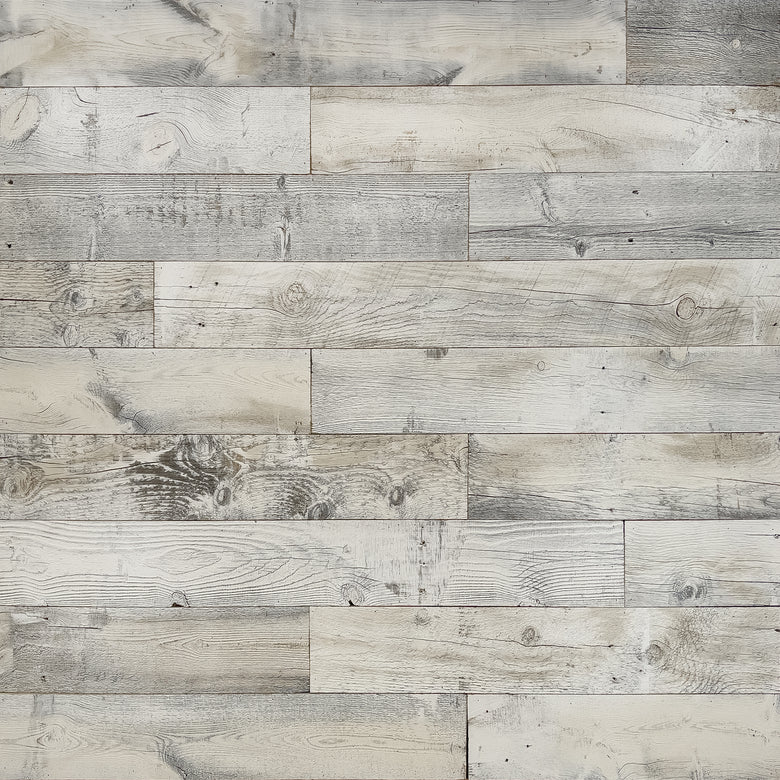
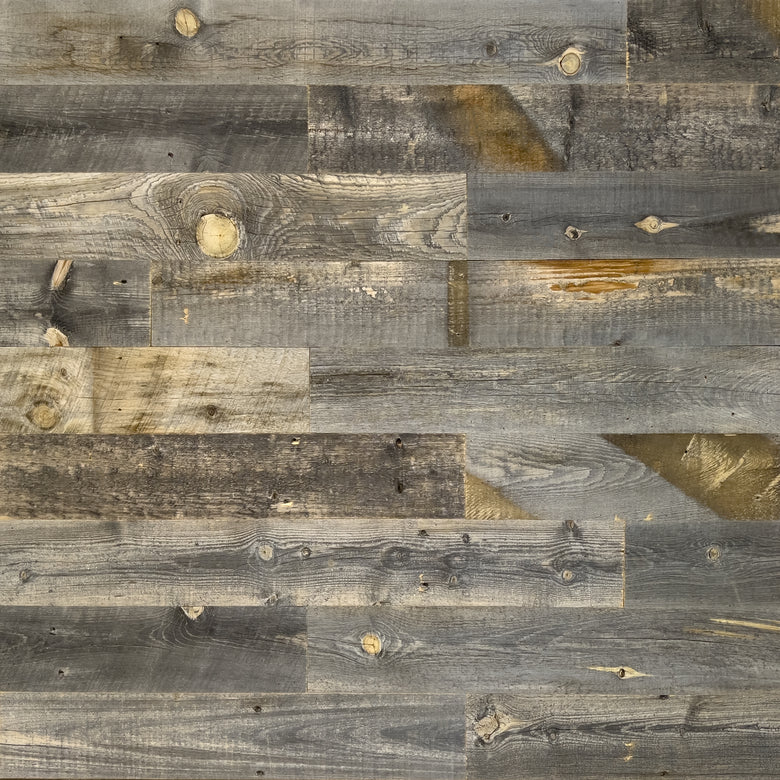
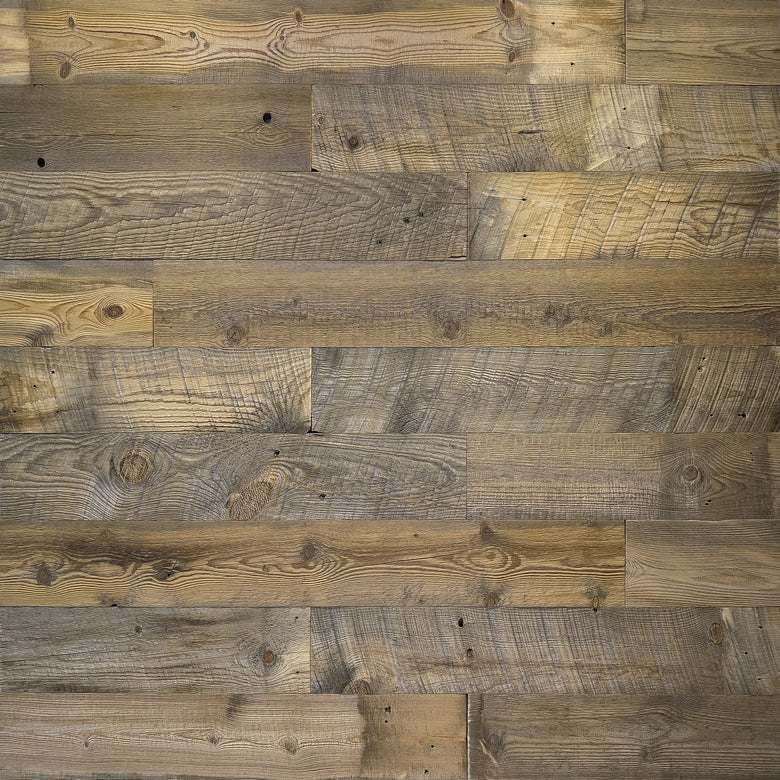
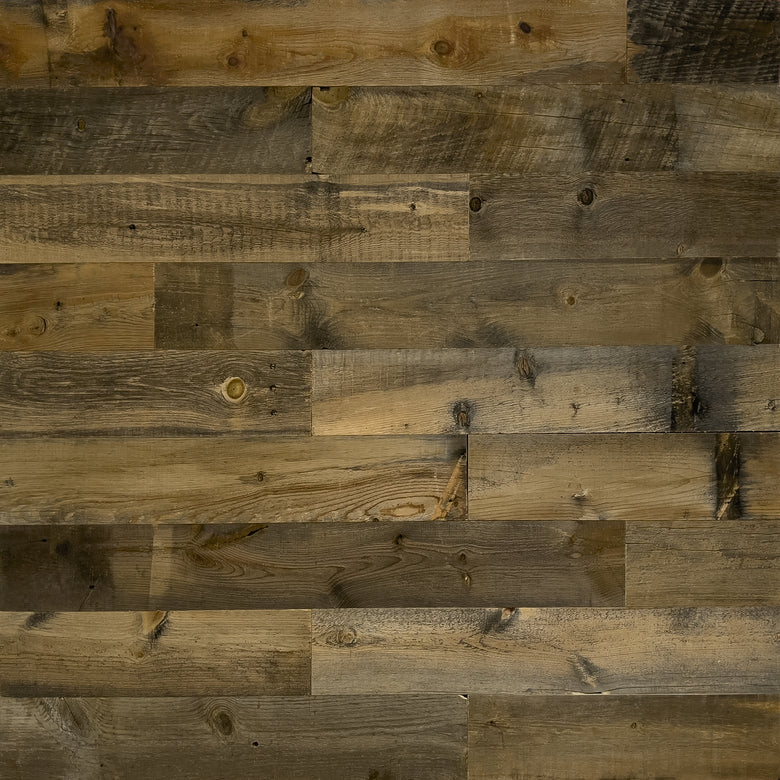
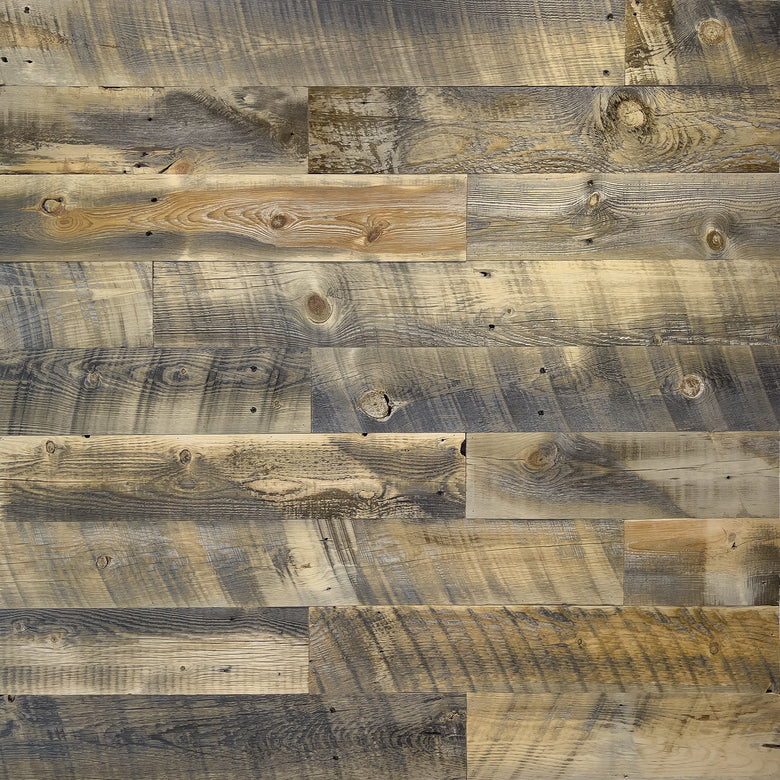
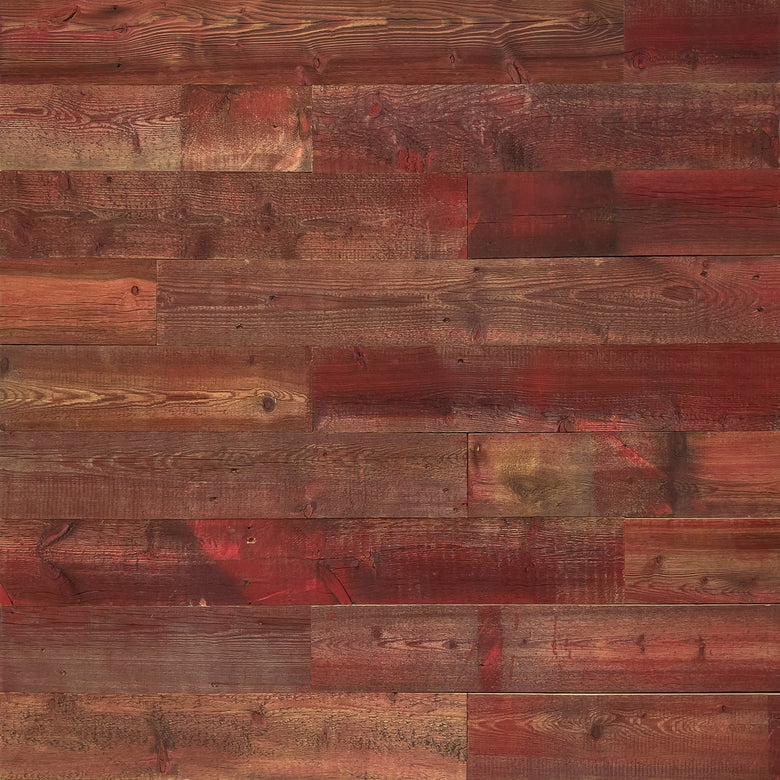
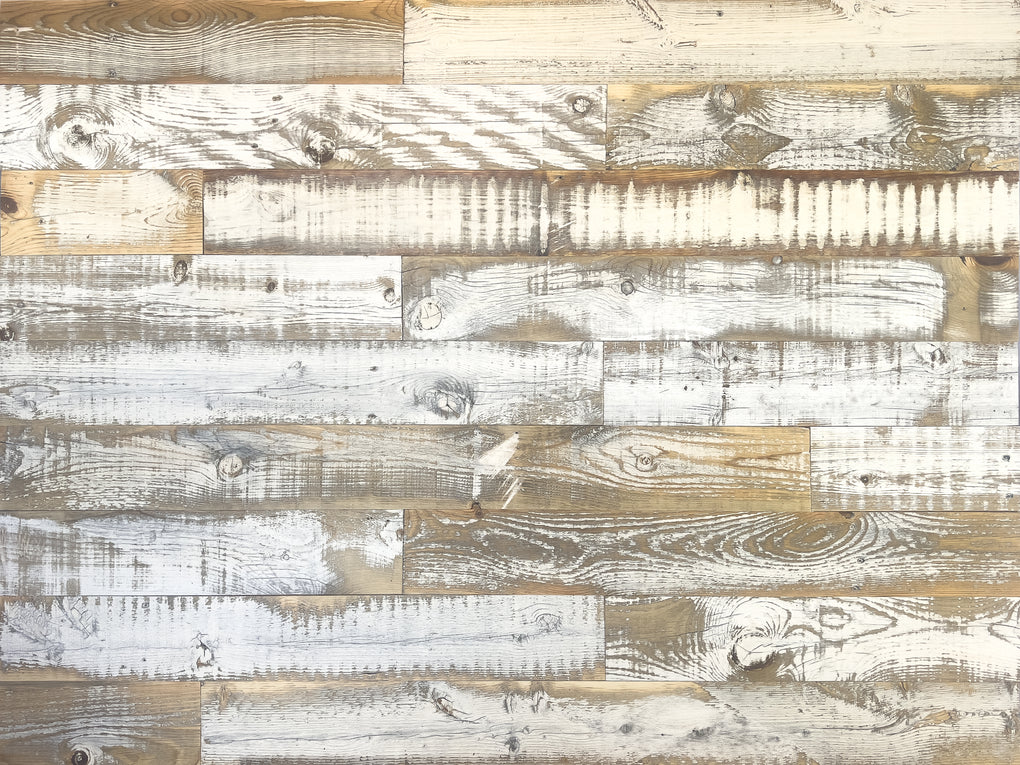
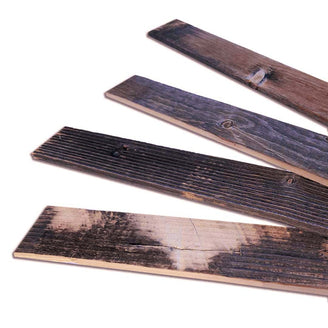
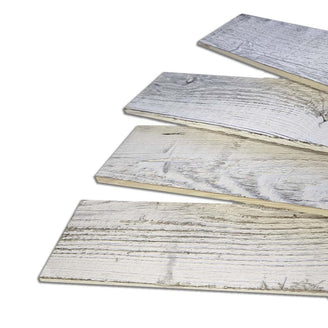
  • Multiple finishes and lengths: Choose from tones like Cheyenne, Laramie, Saratoga, and Casper to match your design.

  • Certified and tested: FSC Recycled certified and meets GREENGUARD standards for sustainable building and healthy indoor air.

From small home projects to large interior design builds, Centennial Woods has the boards to back the work. Browse our reclaimed wood paneling collection, view our project gallery, or request free samples to see and feel the wood before you order.

Contact our team for help picking the right product for your next reclaimed wood project.