Warm Wood Undertones
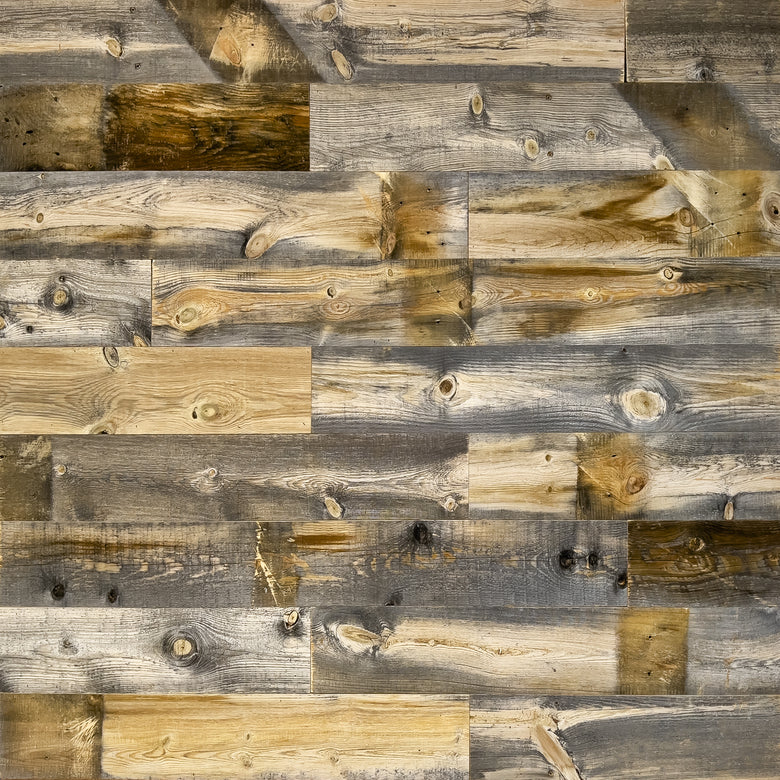
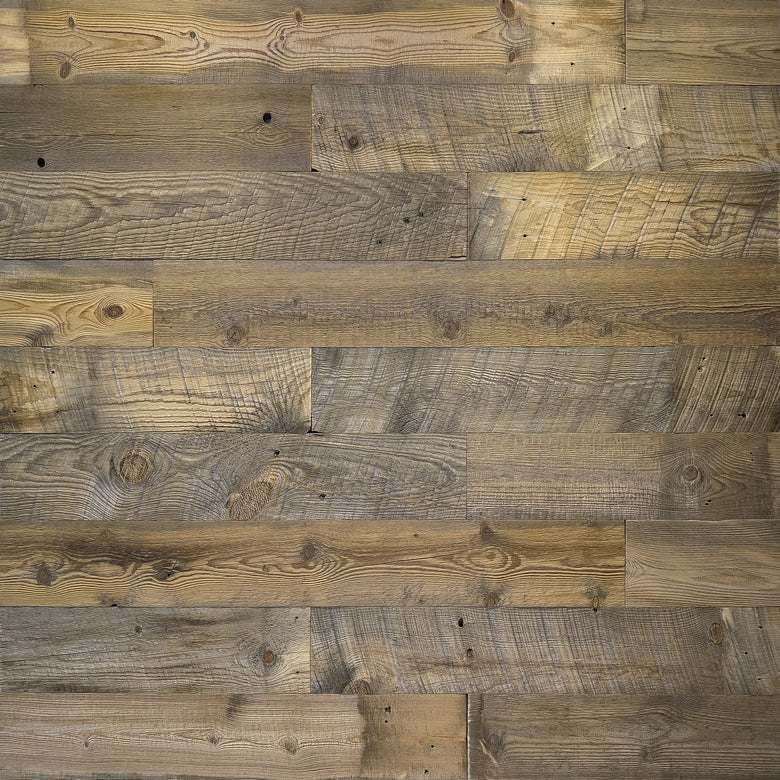
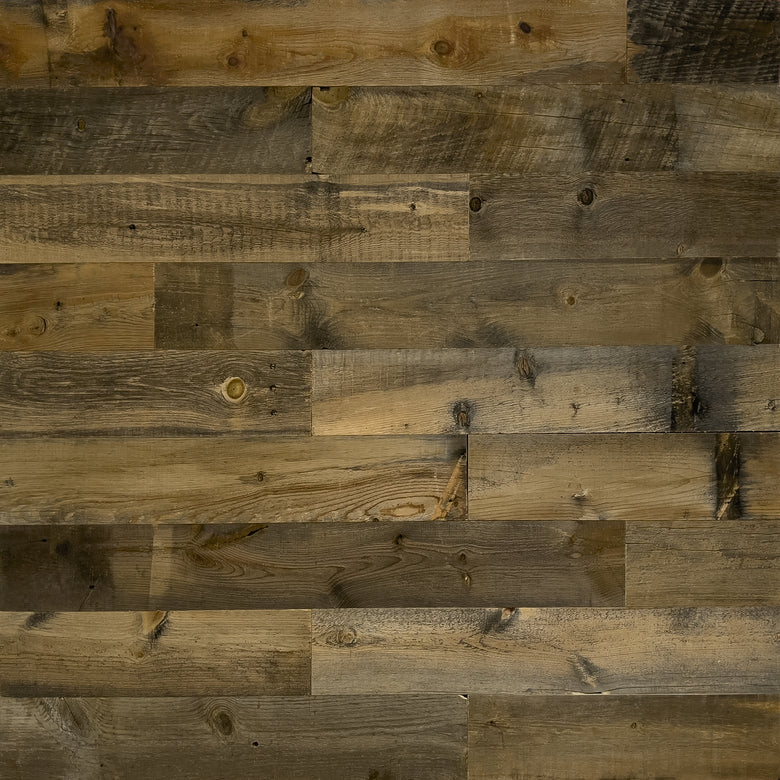
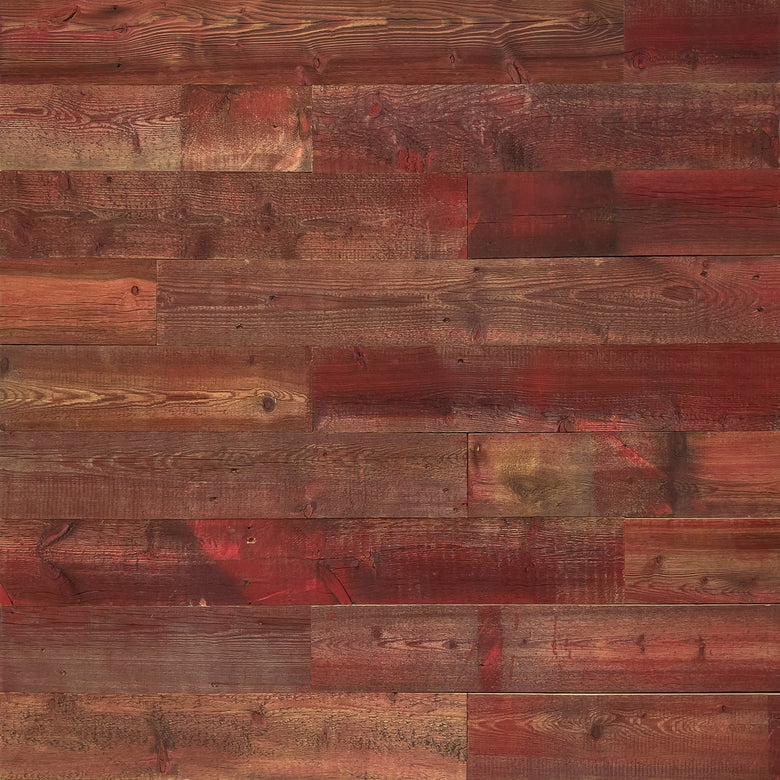
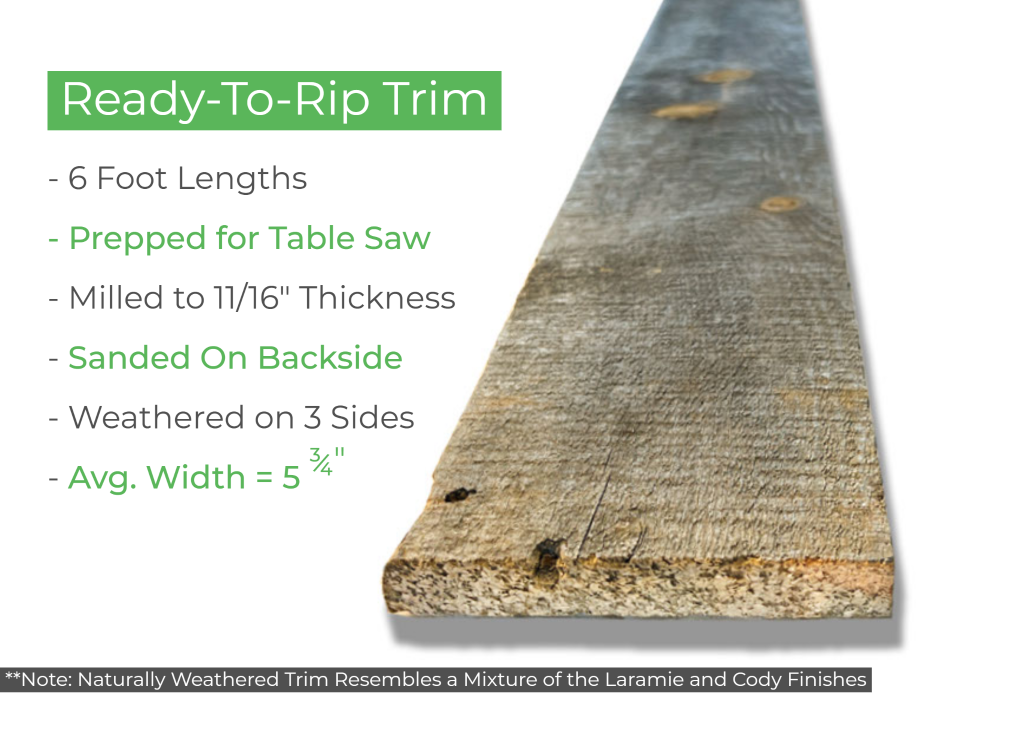
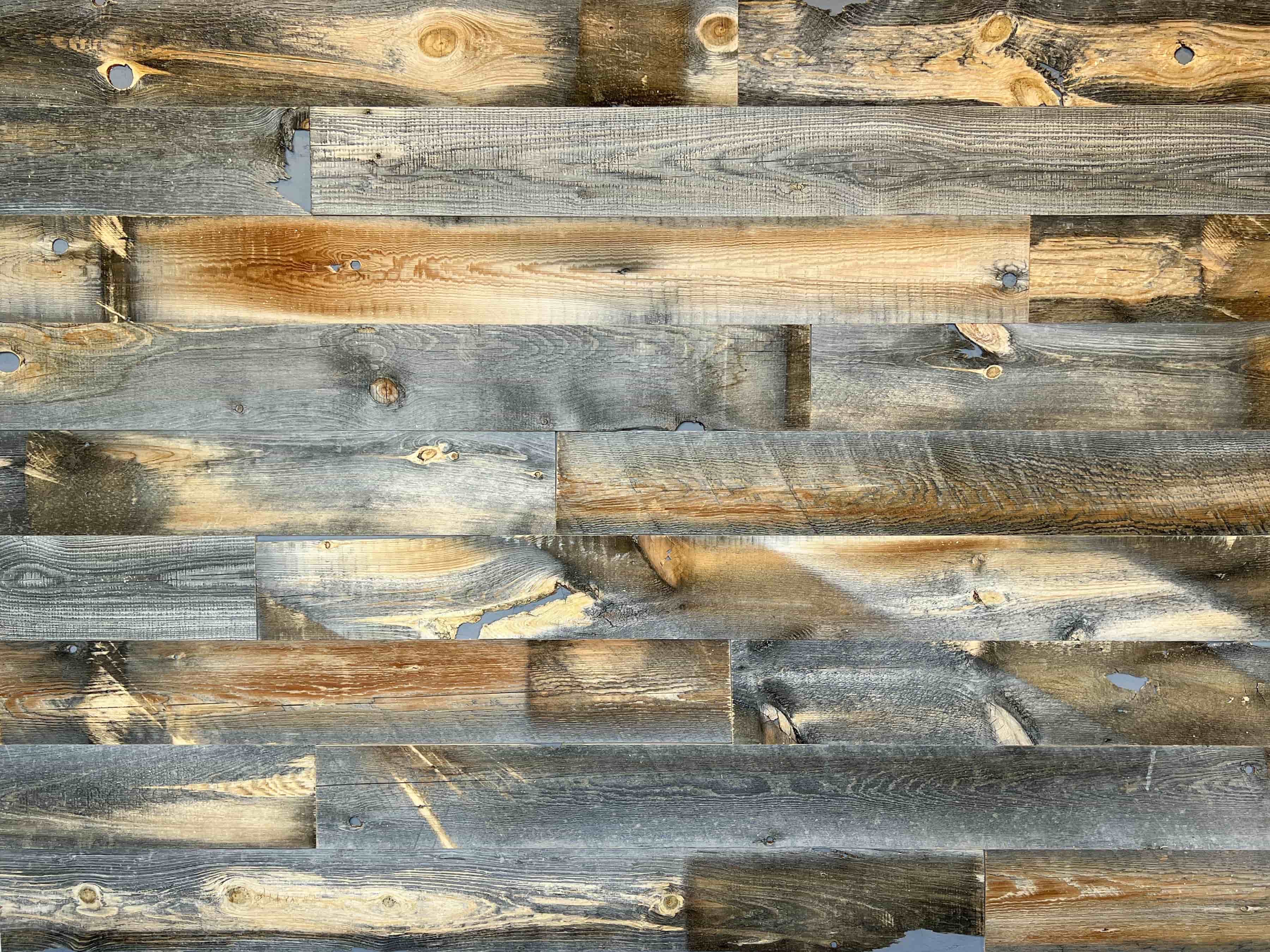
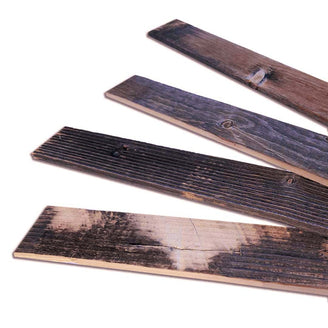
Warm wood tones carry hints of red, orange, amber, or yellow. Common examples include cherry, pine, teak, and honey-stained oak. These wood colors feel cozy and traditional and pair naturally with warm paint colors like cream, terracotta, or sage green. Reclaimed wood can also fall into this category, depending on how it was finished.
Cool Wood Undertones
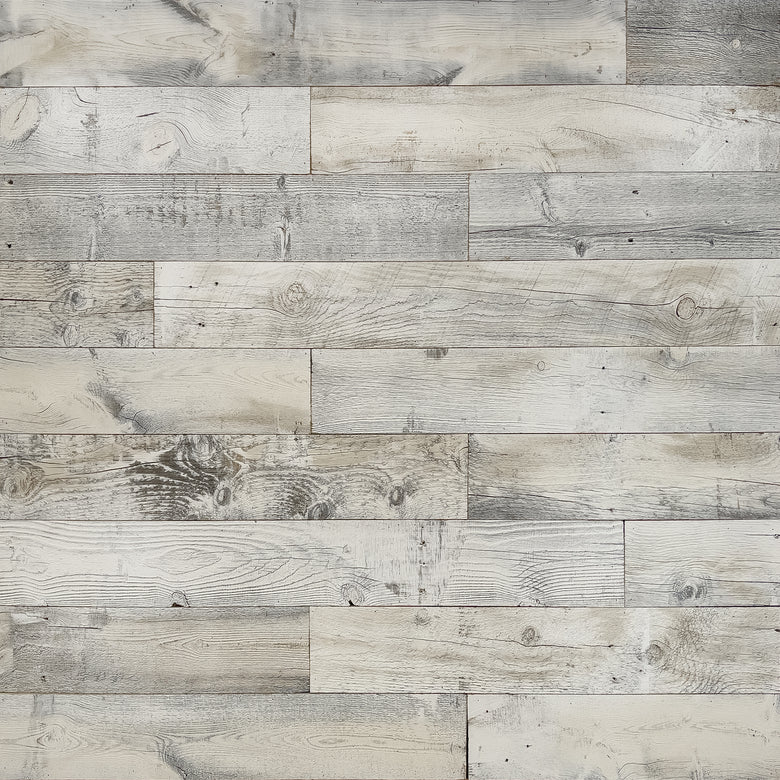
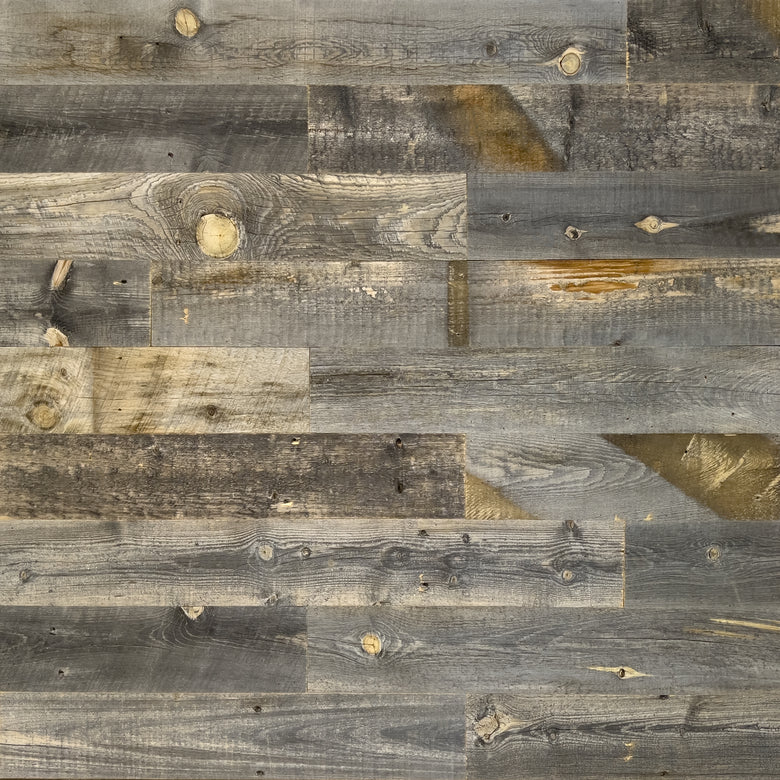
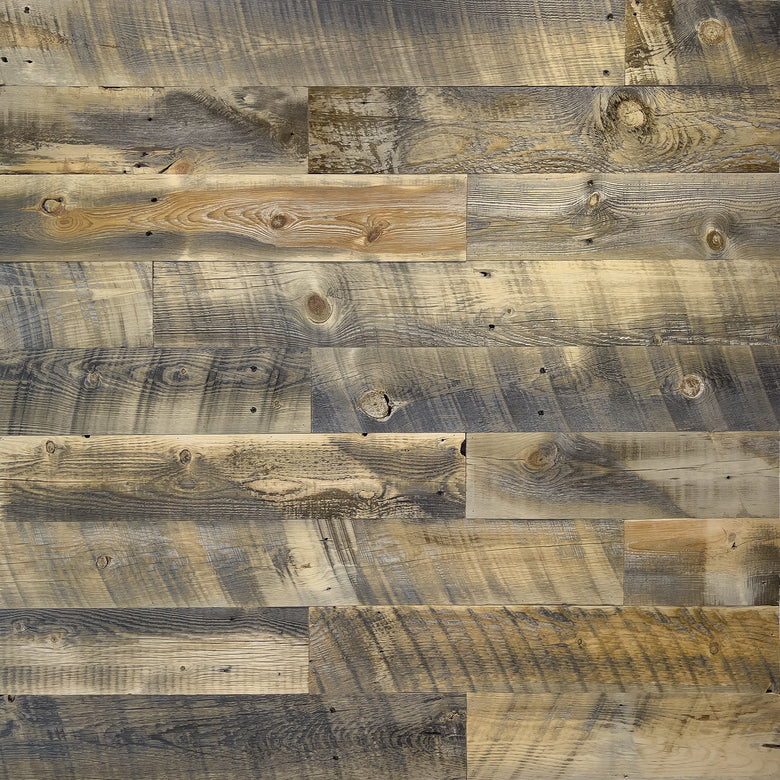
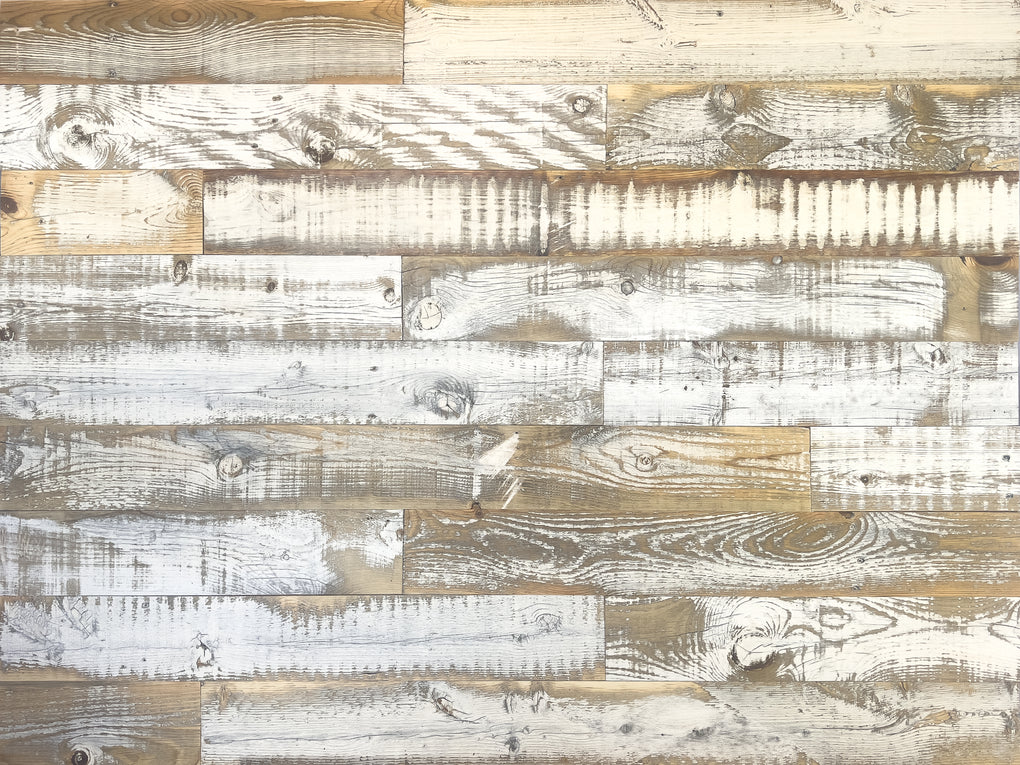
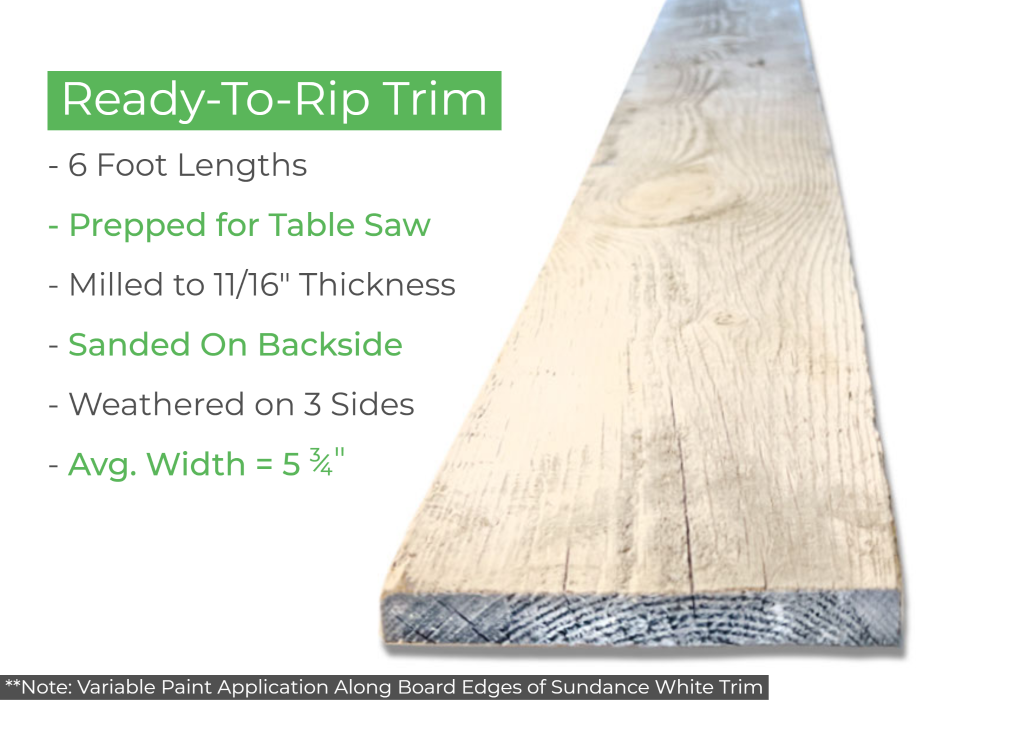
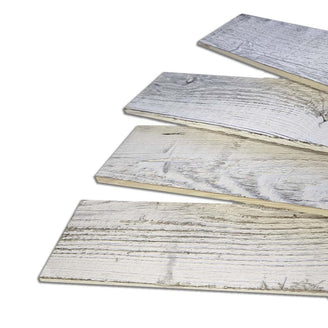
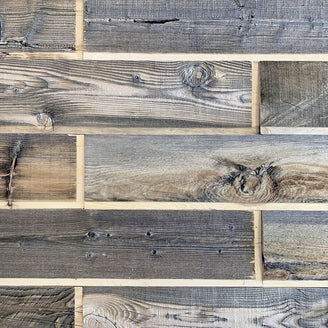
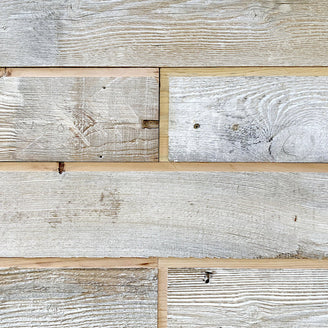
Cool wood tones lean toward gray, taupe, or ashy brown. White oak in its natural state and driftwood finishes typically fall into this group. Reclaimed wood can look cool as well, depending on the finish. Cool wood tones pair well with whites, blues, and greens with gray or green bases.
The pairing rule most interior designers follow is simple: warm undertones go with warm undertones, and cool undertones go with cool undertones. You can mix a light warm wood with a dark warm wood without any visual conflict. Crossing the warm-cool line is harder to pull off and usually requires a neutral bridge like white, black, or concrete.
How to Mix Different Wood Tones Successfully
Mixing wood finishes is not guesswork. A few practical principles make the process straightforward.
Establish a Dominant Wood Tone
Every well-designed room with multiple wood elements has one dominant wood that anchors the space. Hardwood floors are the most common dominant wood because they cover the most surface area. Kitchen cabinets serve the same purpose in a kitchen.
Once you identify the dominant wood, every other wood piece plays a supporting role. A dining table, wood furniture, or floating shelves should complement the dominant tone rather than compete with it.
Use Contrast Deliberately