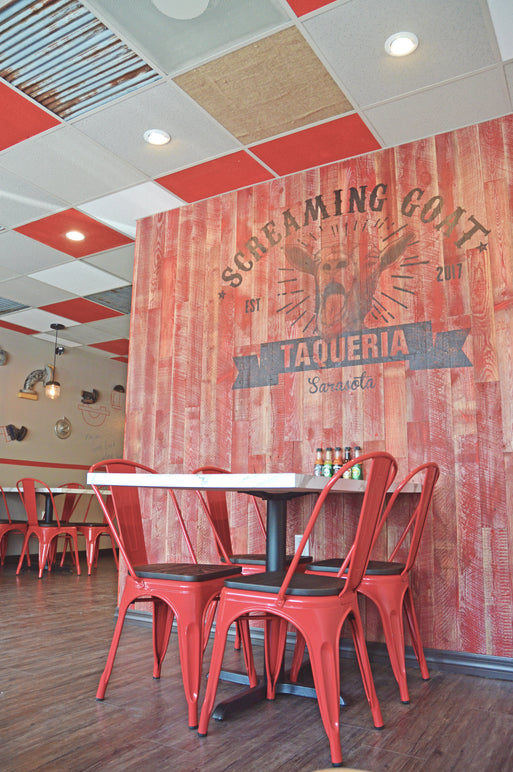
Our reclaimed wood is low in volatile organic compounds, which matters more in a basement than anywhere else in the house. Below-grade rooms move less air.

Sort by
Our reclaimed wood is low in volatile organic compounds, which matters more in a basement than anywhere else in the house. Below-grade rooms move less air.
Our reclaimed lumber meets strict GREENGUARD Gold standards for low chemical emissions, making it safe for everyday indoor use.
Every panel carries a 4% to 8% moisture content after years of high-altitude drying, leaving it inhospitable to insects.
Certified by the Forest Stewardship Council®, affirming our commitment to sustainability.
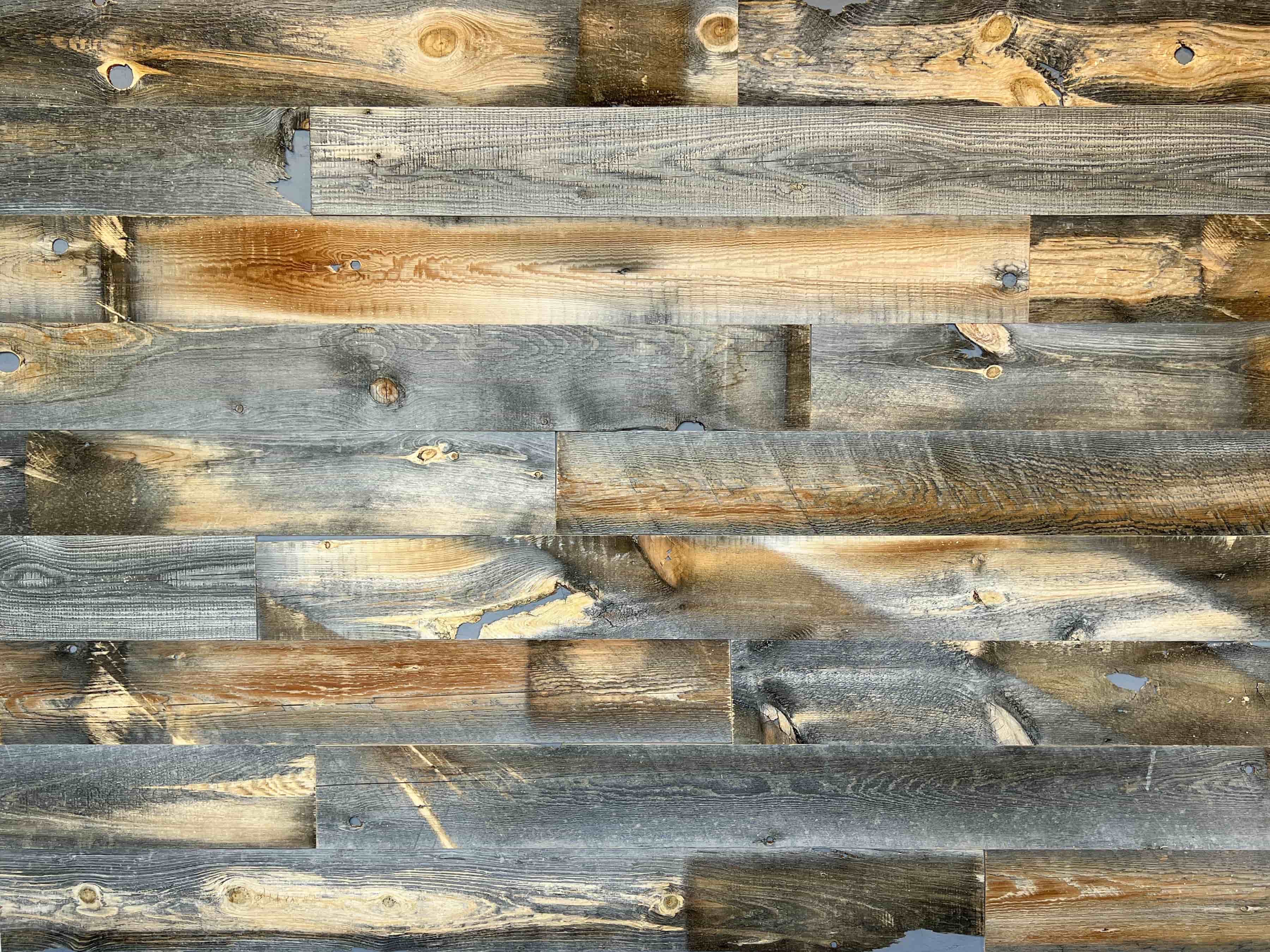
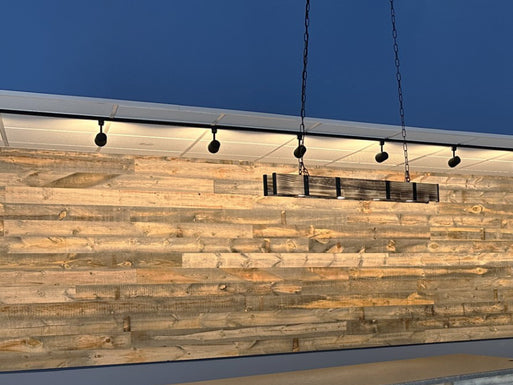
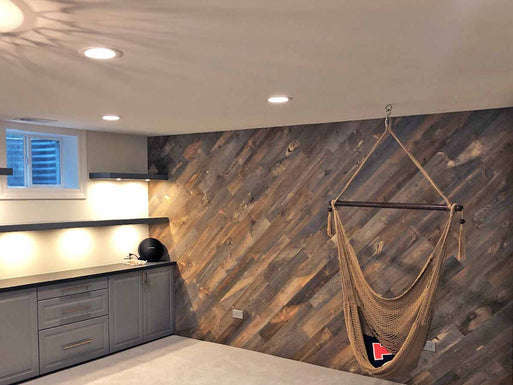
Basements get less natural light than any room in the house, so finish choice matters more here. Lighter tones keep a low-light space from feeling like a cave, while darker tones work well with good recessed lighting and for a moody bar or theater room.
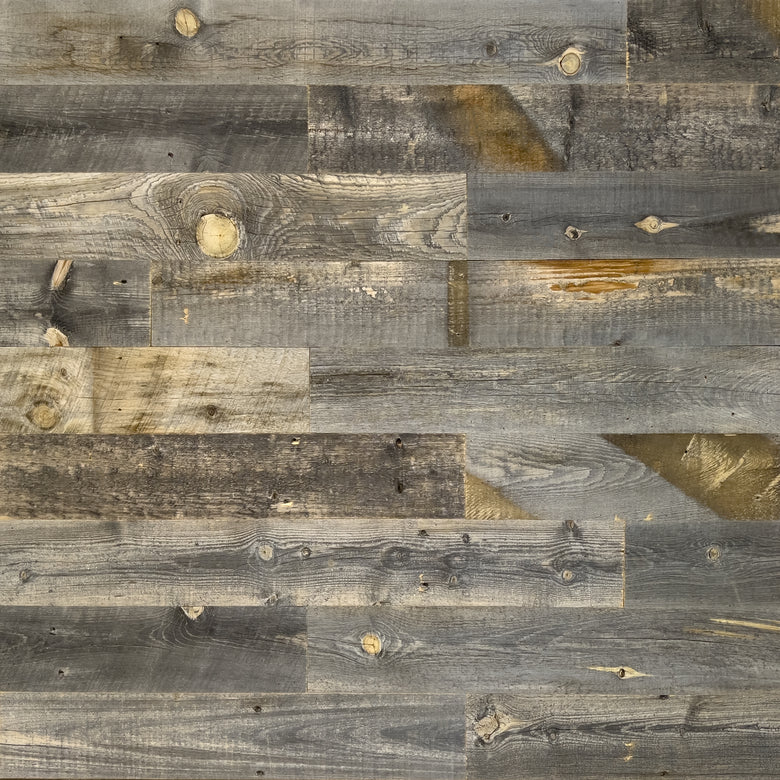
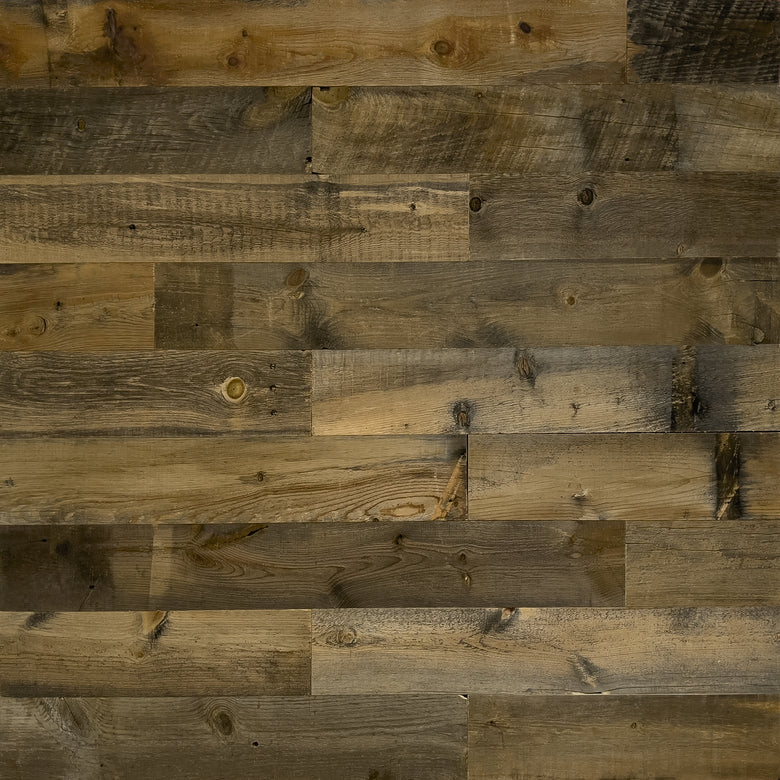
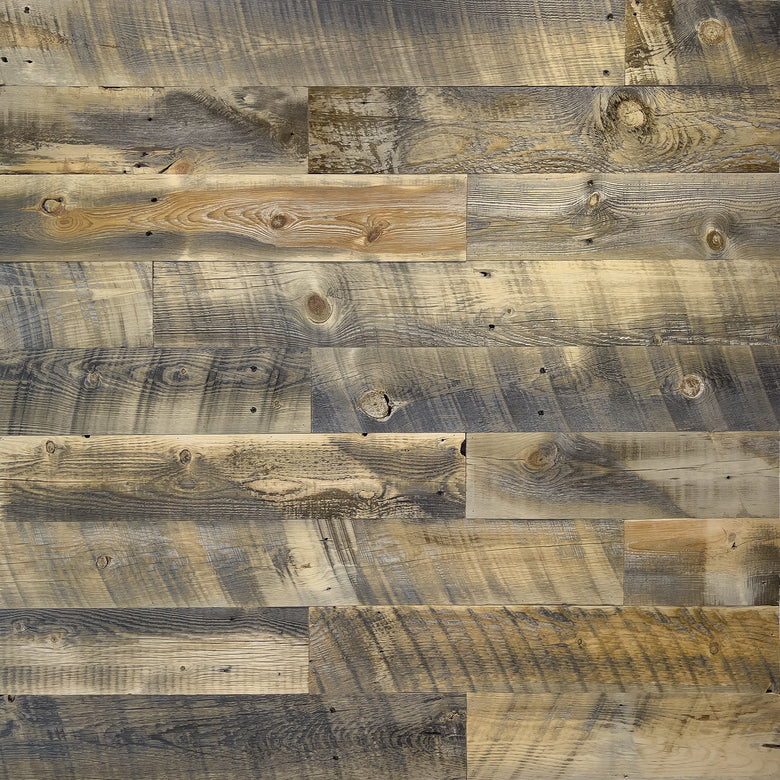
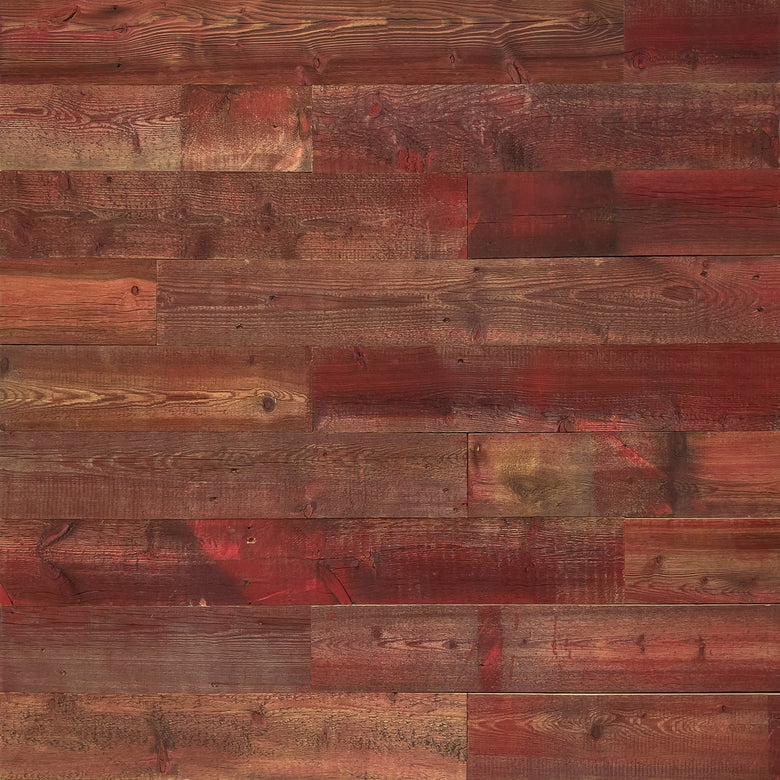
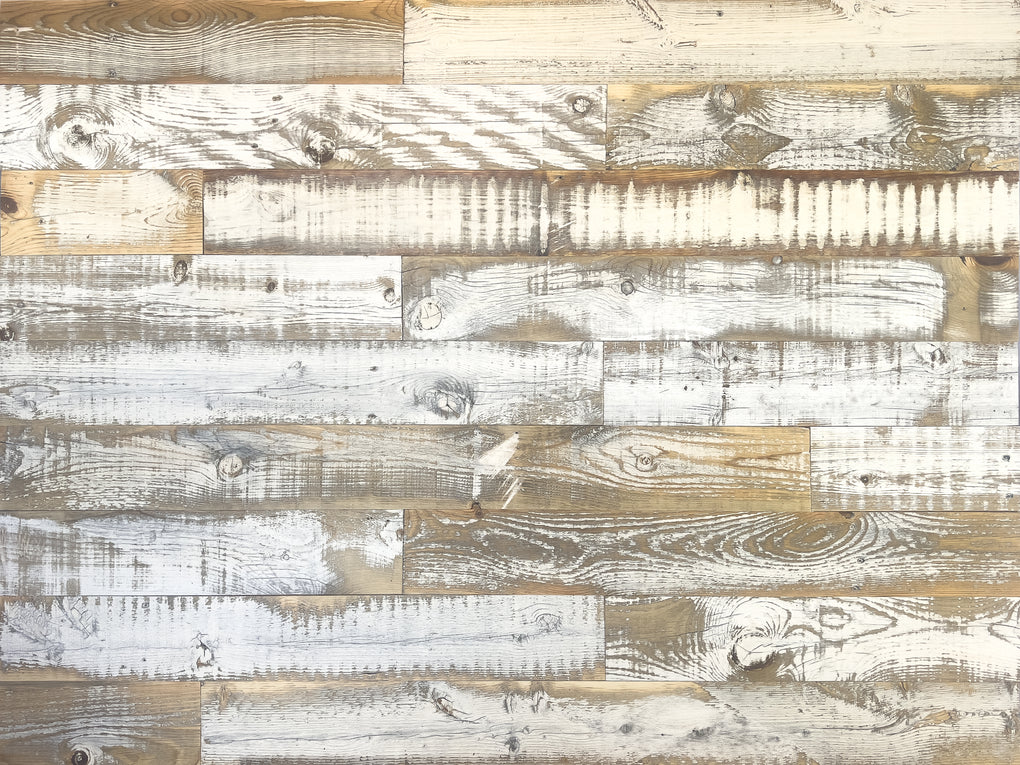
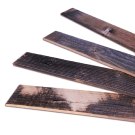
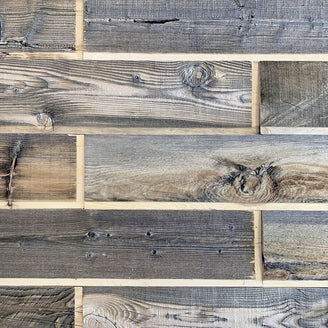
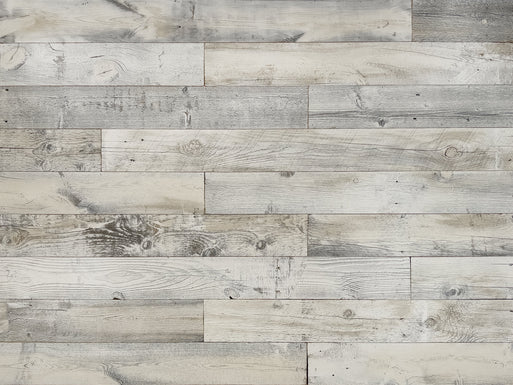
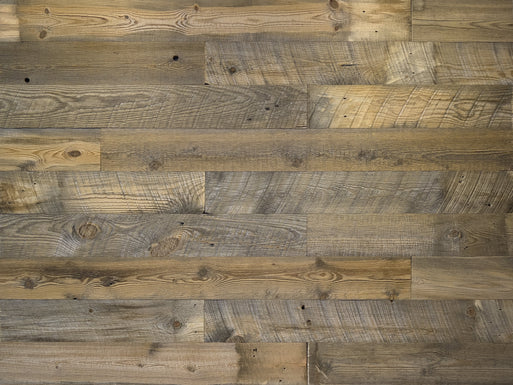
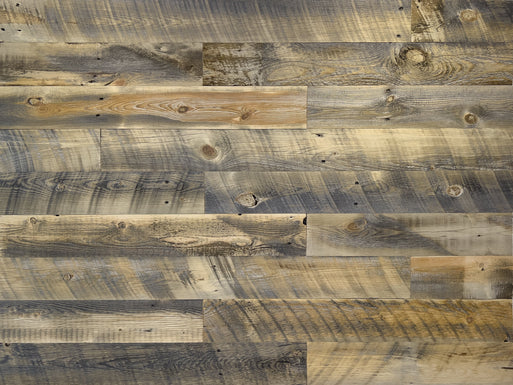
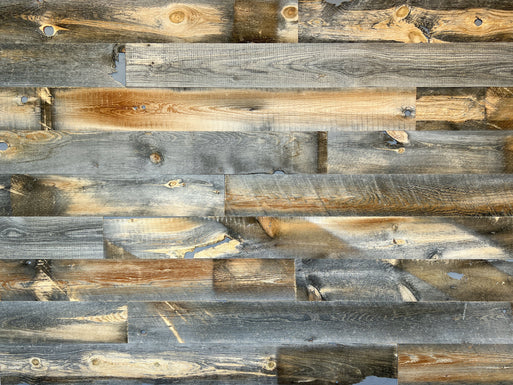
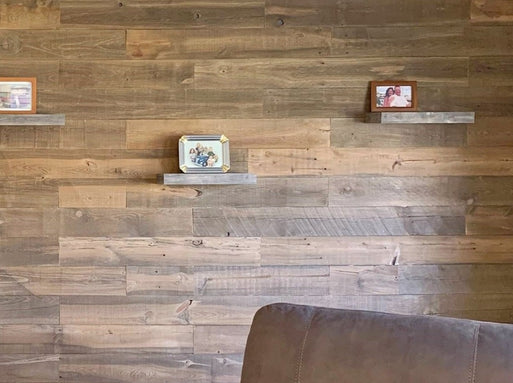
Laramie: Natural gray with warm undertones. A good neutral for basements with modern furnishings.
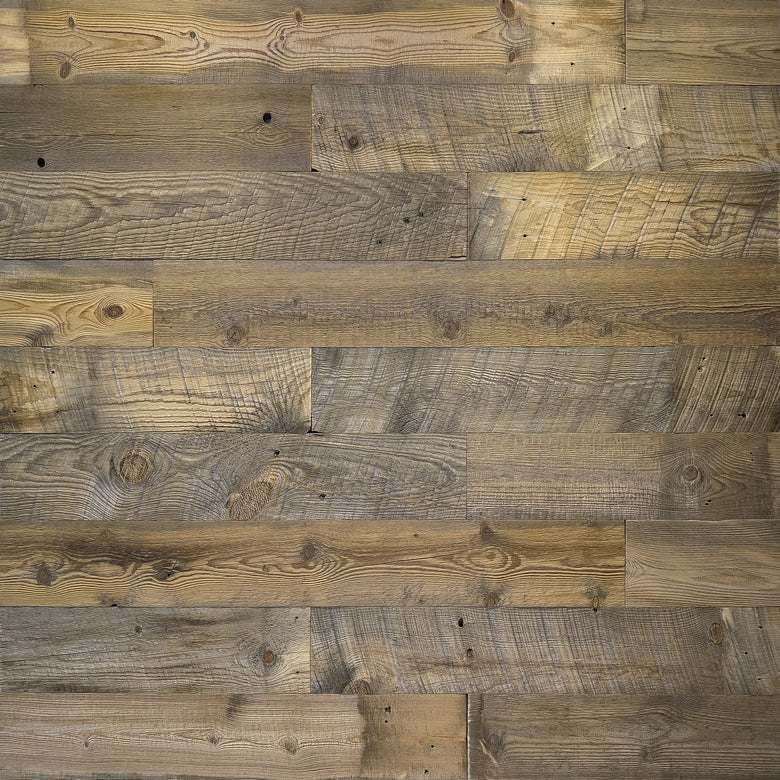
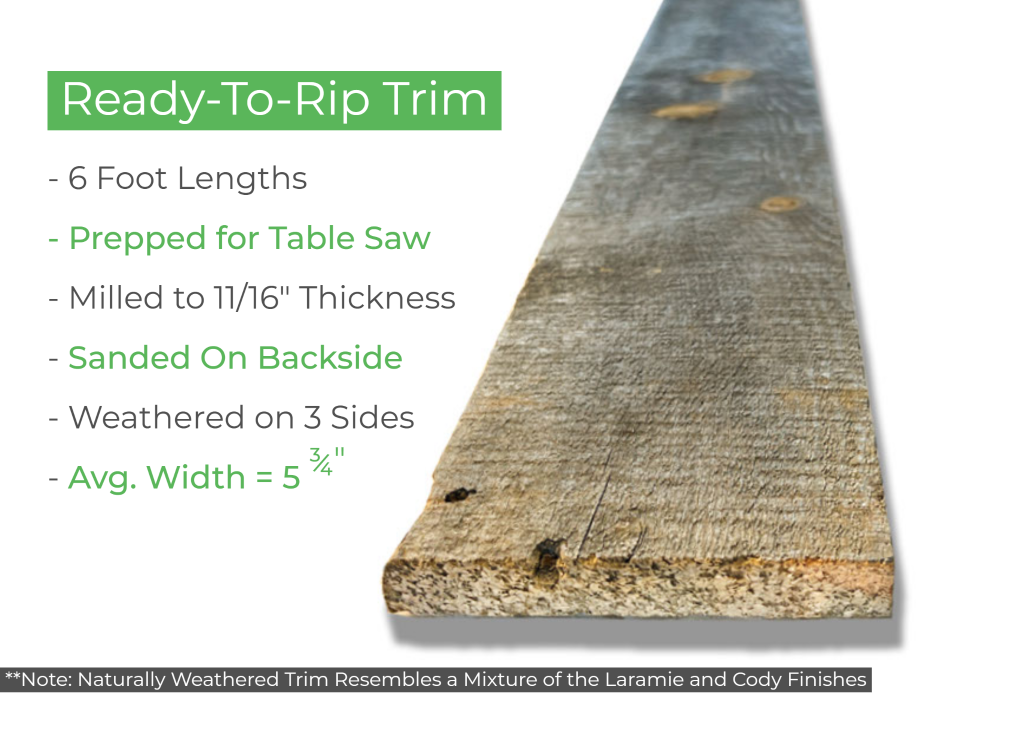
Cody: Mixed grays with warm brown hues. The most forgiving finish under artificial light.
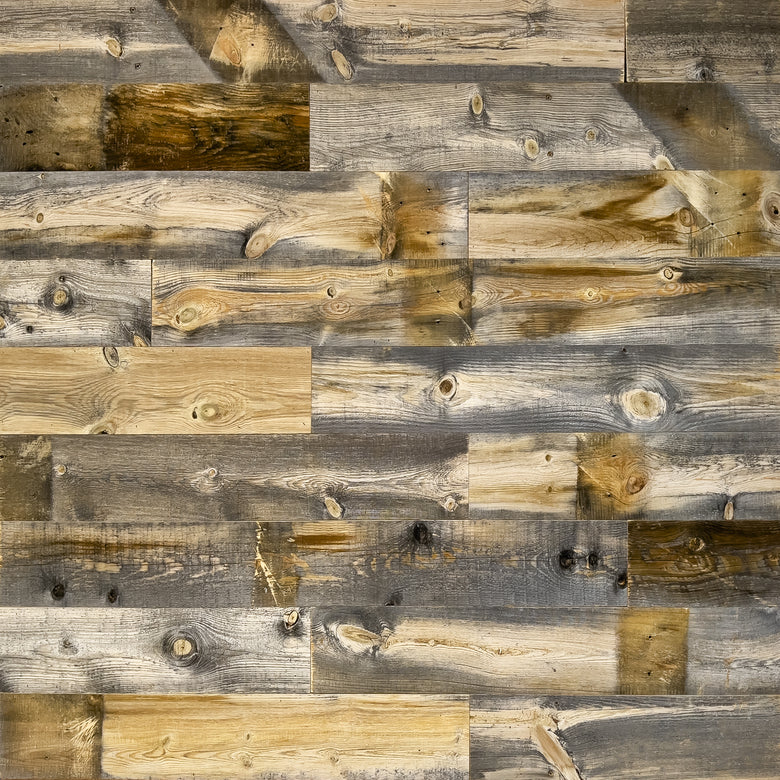
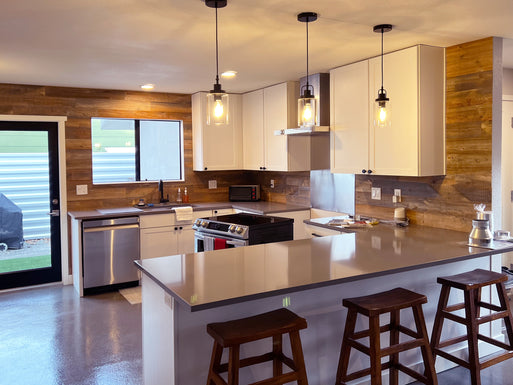
Cheyenne: Warm brown and honey blond tones that add visual warmth to a cool below-grade room.
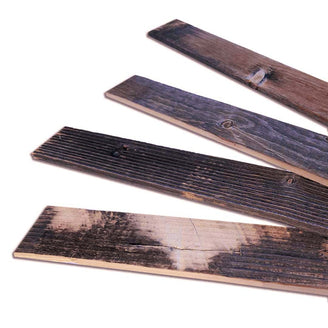
Saratoga: Deep, bold coloring. Strong choice behind a bar or media wall where you have lighting to support it.
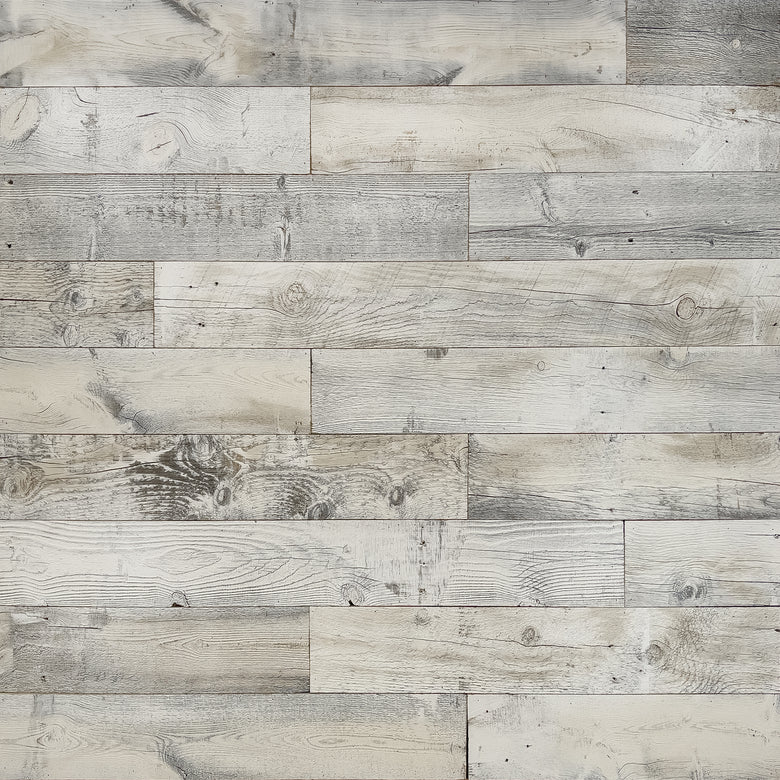
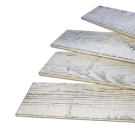
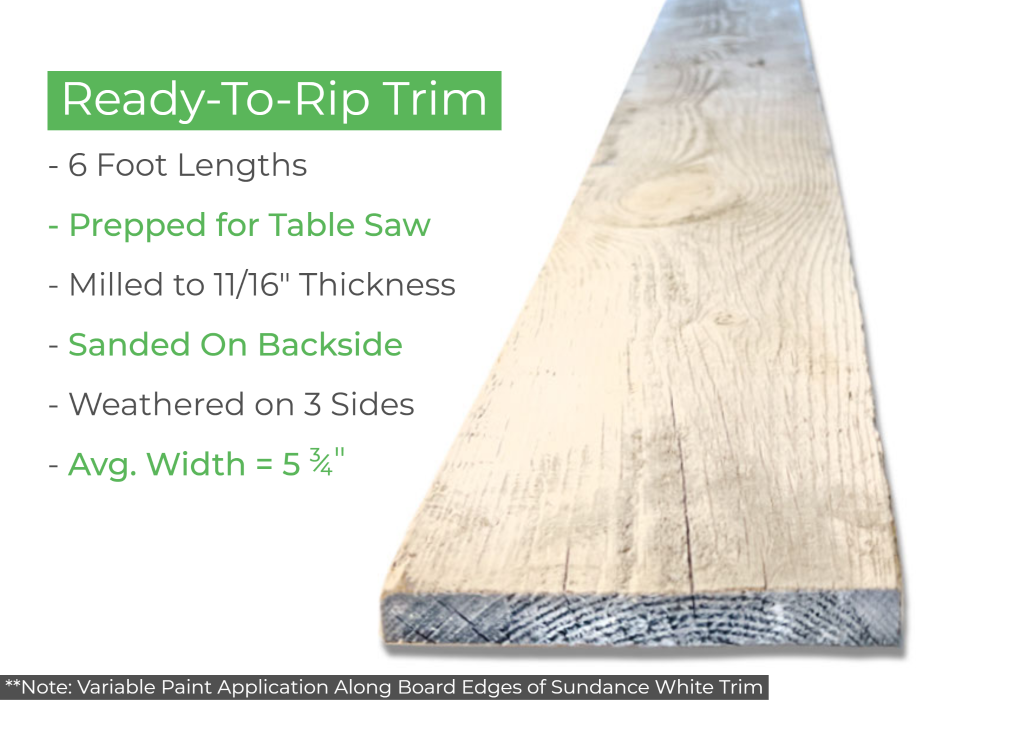
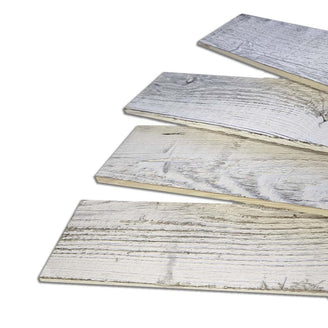
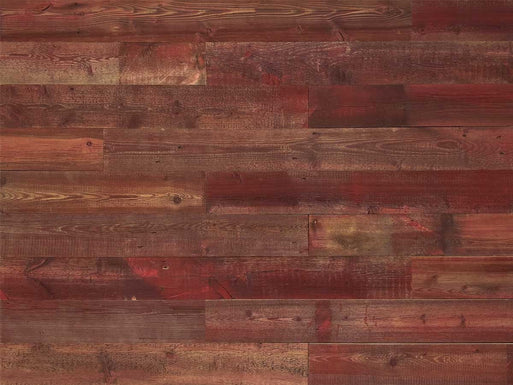
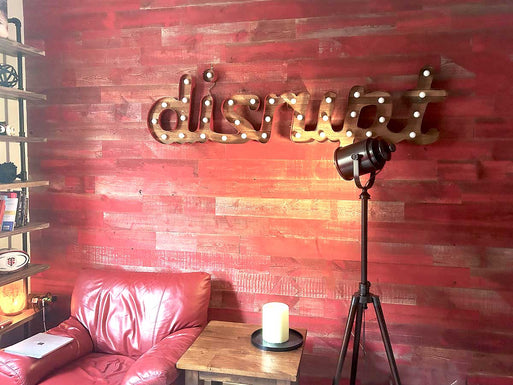
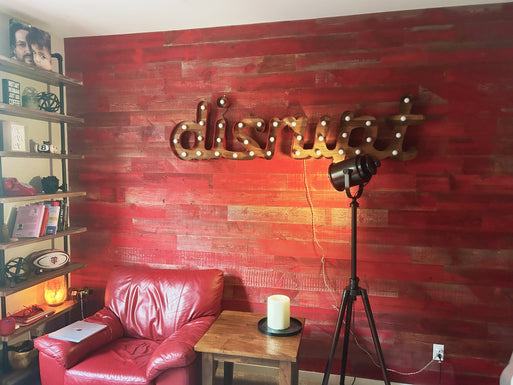
Sundance White and Casper both open up dark, low-ceilinged basements. Sundance Red and Wheatland are there when you want something louder. Order free samples and look at them in your actual basement lighting before you commit. Colors read differently under LED cans than they do in a showroom.
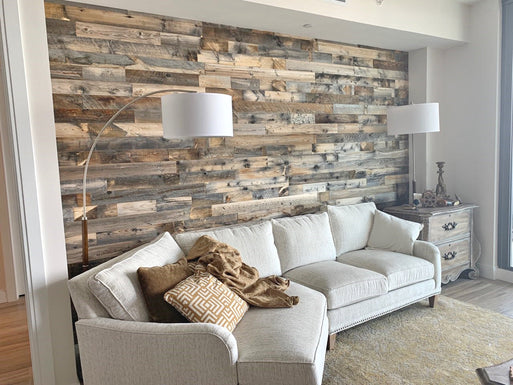
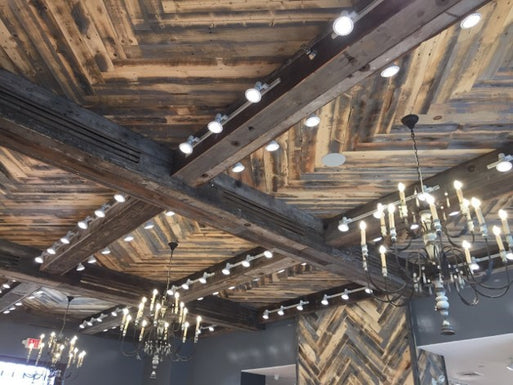
A finished basement has more blank surfaces than almost any room in the house. Here is where homeowners and designers put reclaimed wood to work most:
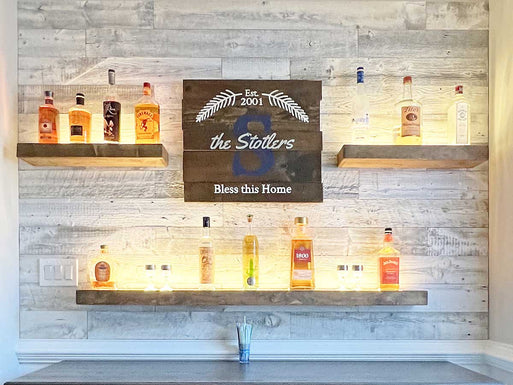
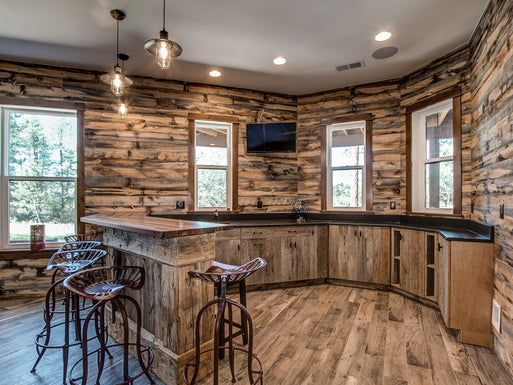
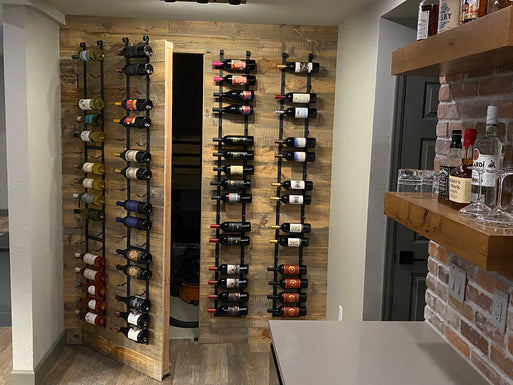
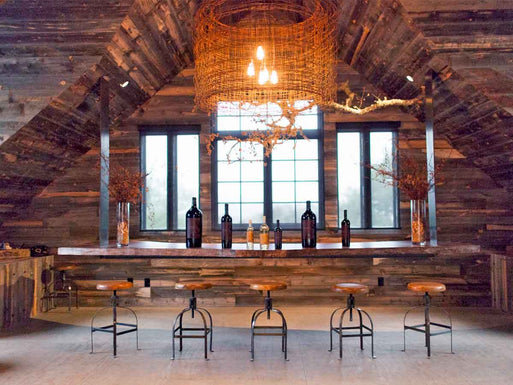
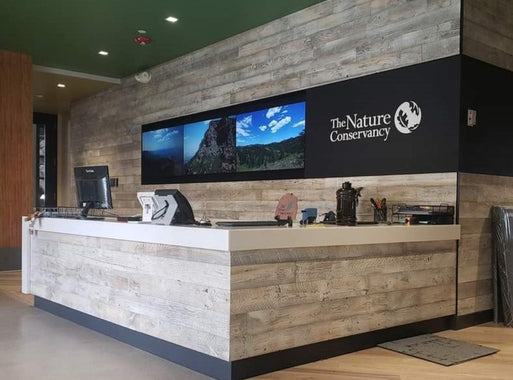
Basement Bar: The most requested basement project we see. Wrap the wall behind the bottles, clad the bar face, or do both. Weathered wood pairs well with black metal shelving and warm lighting.
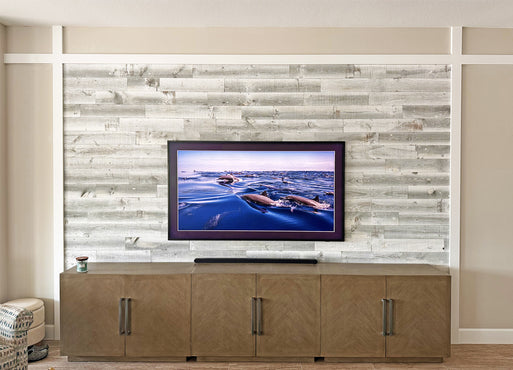
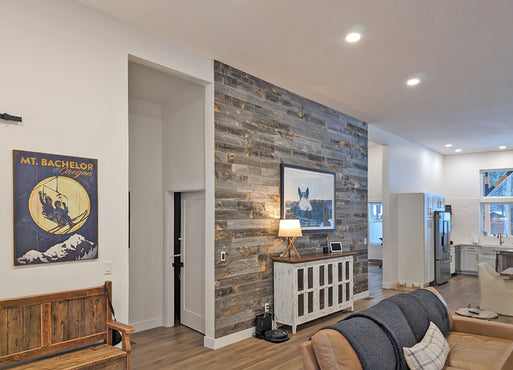
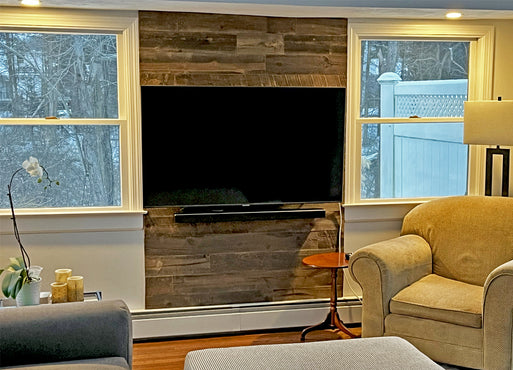
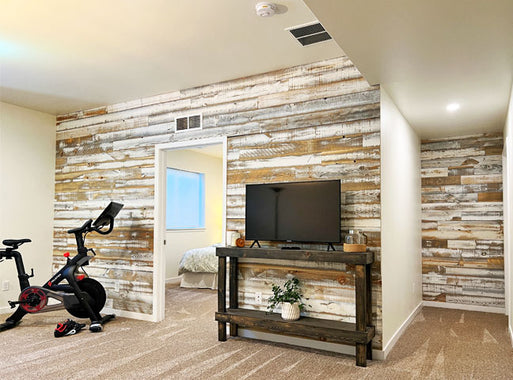
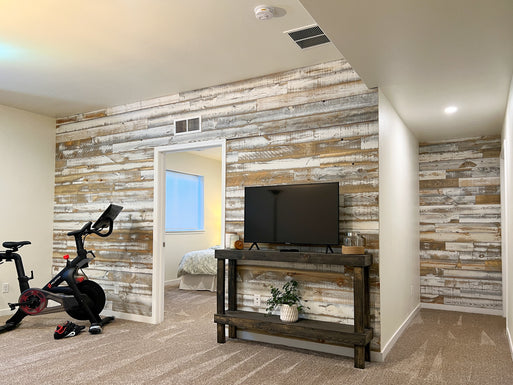
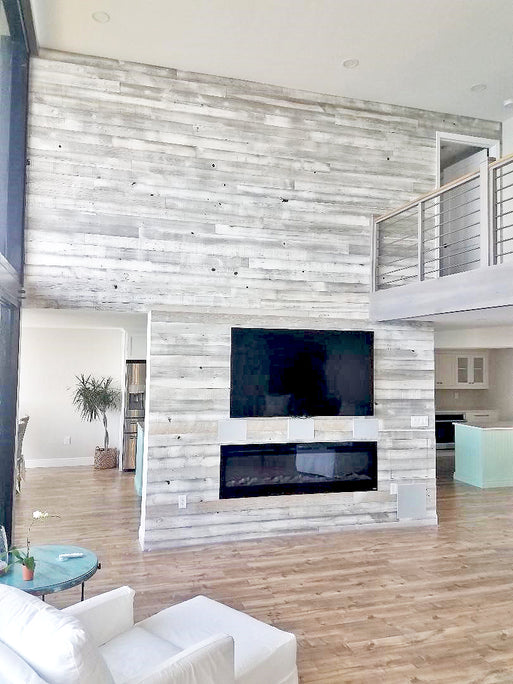
Media Wall: A dark finish behind a mounted TV cuts glare and hides the screen bezel. Run the panels floor to ceiling to make a low basement ceiling read taller.
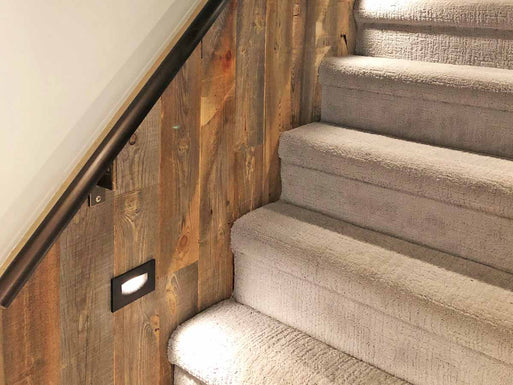
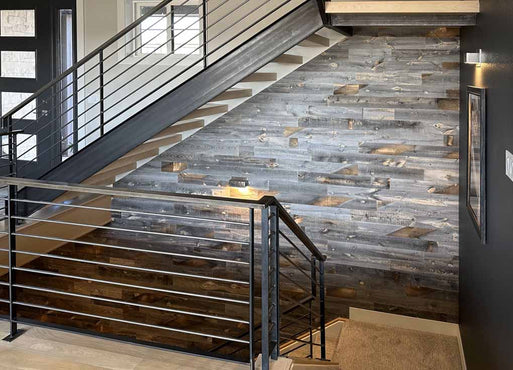
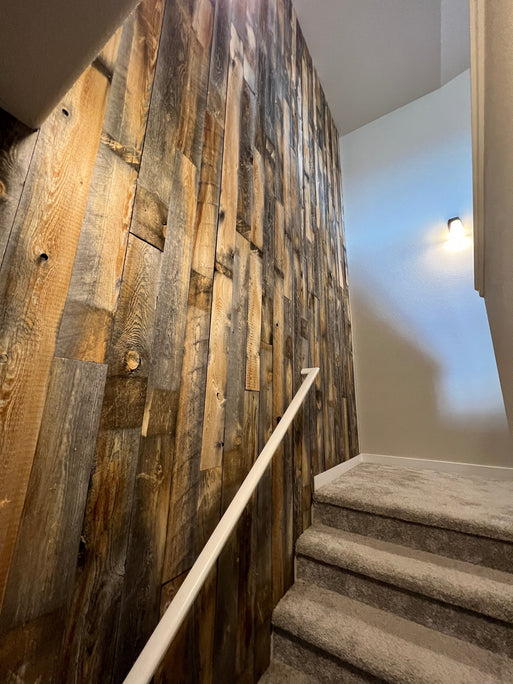
Stairwell Wall: Basement stairs are usually the dullest surface in the house. A single run of paneling down the stair wall connects the basement to the floor above.
Support Columns and Beams: Steel lally columns and dropped beams are hard to hide. Box them out and clad them in reclaimed wood, and they stop looking like something you tolerated.
Home Gym or Office: A single wood wall gives a finished basement office a background worth sitting in front of on video calls.
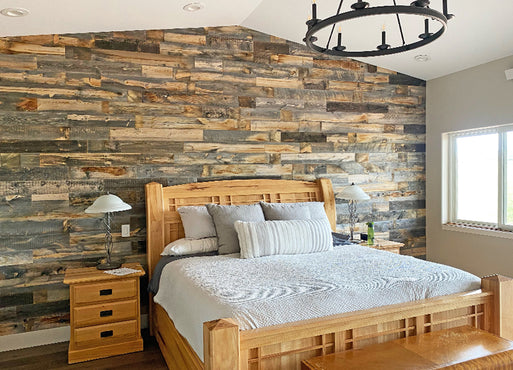
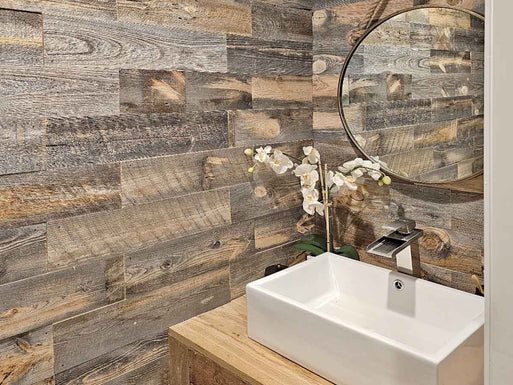
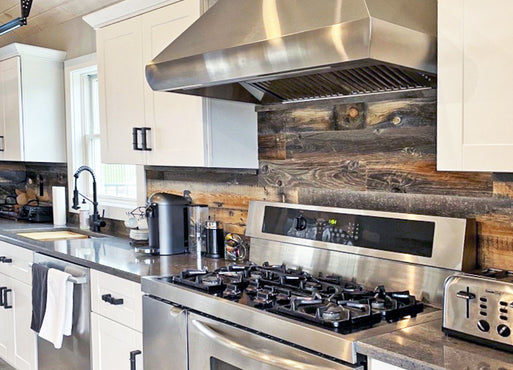
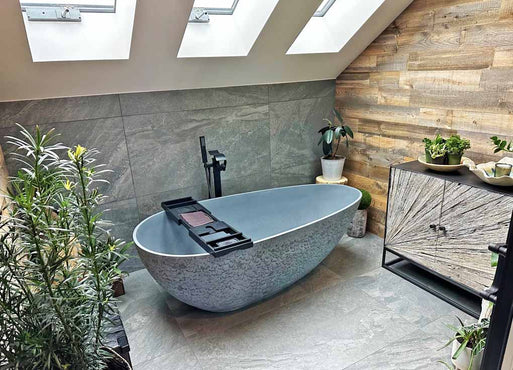
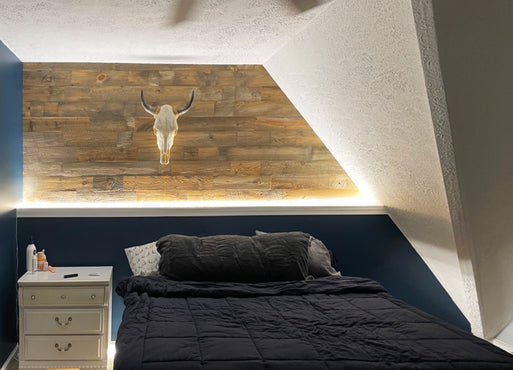
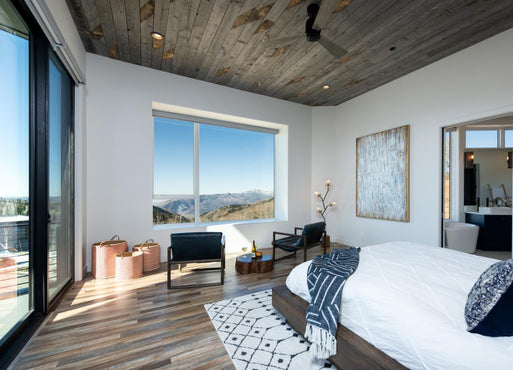
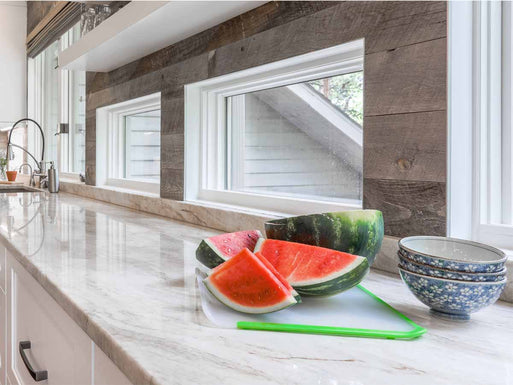
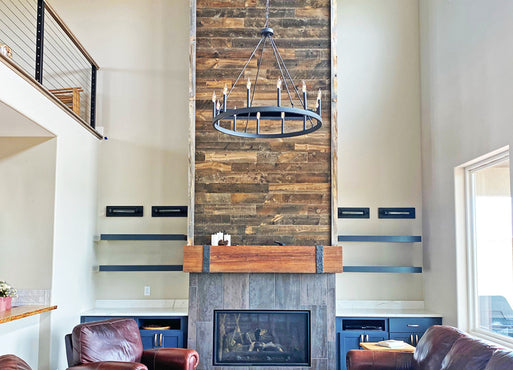
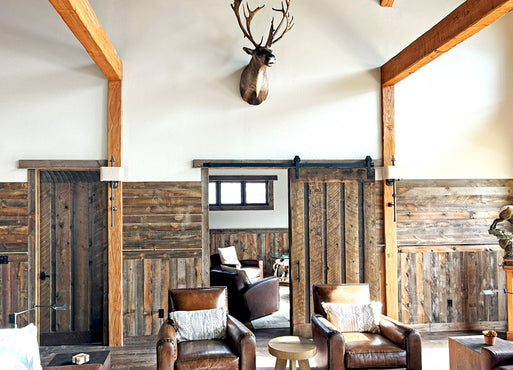
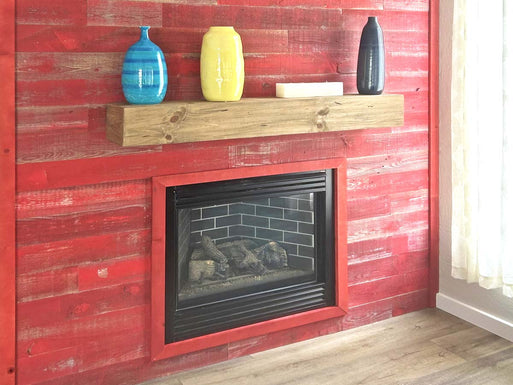
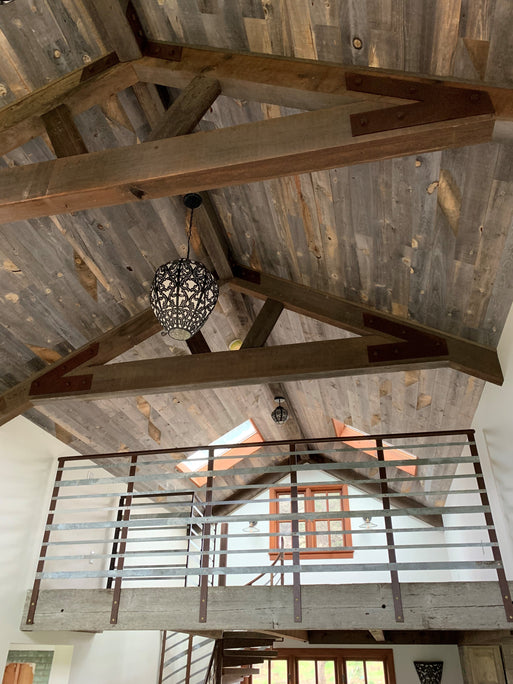
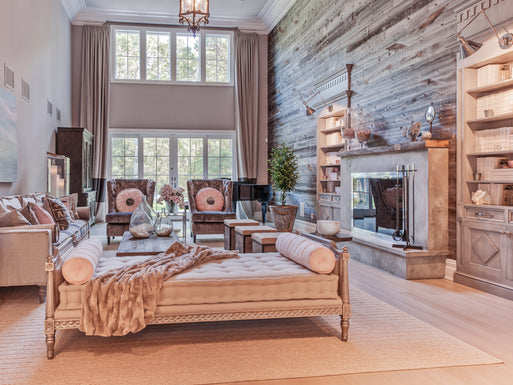
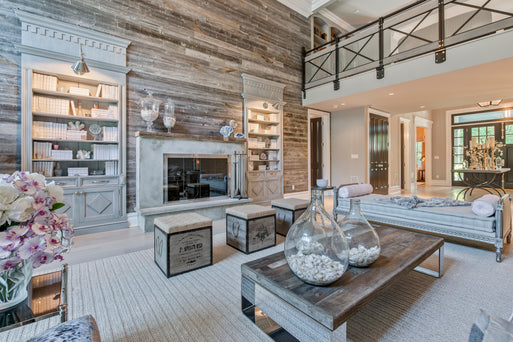
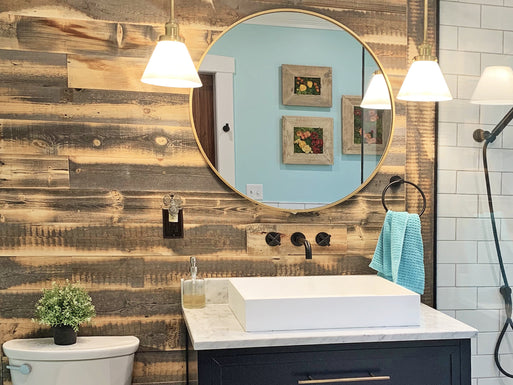
Why stop at the basement? The same planks work upstairs in living rooms, bedrooms, bathrooms, ceilings, staircases, and fireplace mantels, so the basement stops feeling like a separate building. For exterior projects, our siding profiles come in the same finishes and carry the look outside to patios and facades.
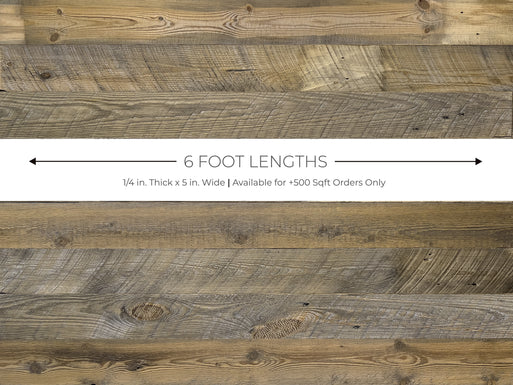
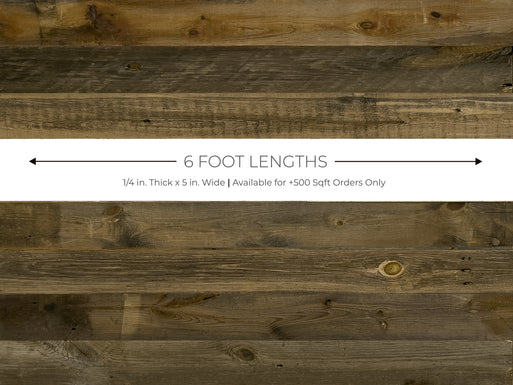
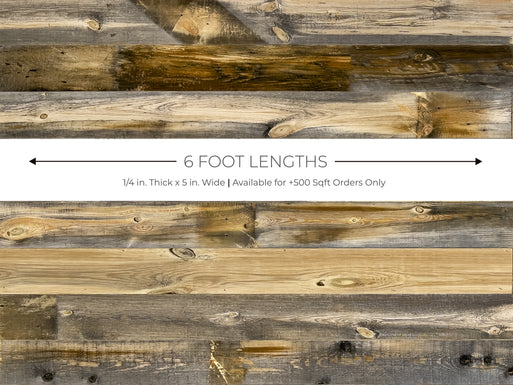
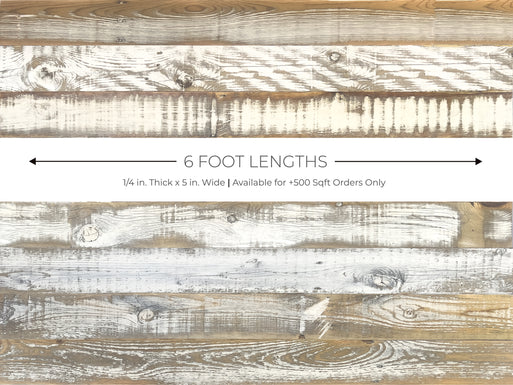
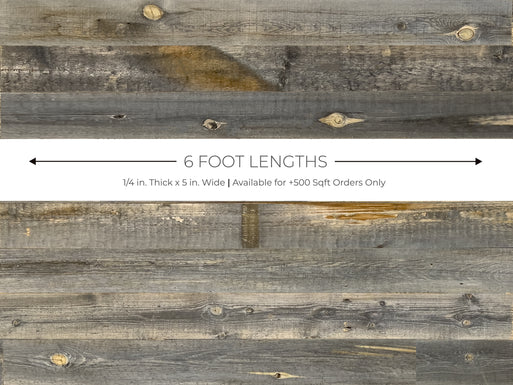
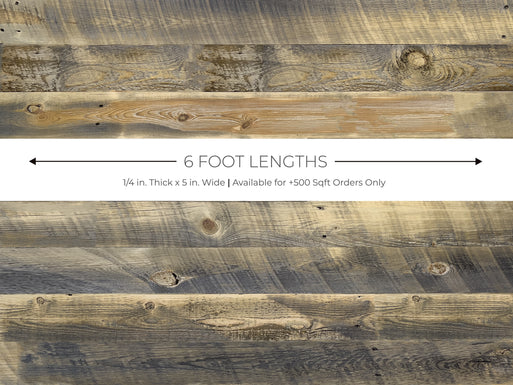
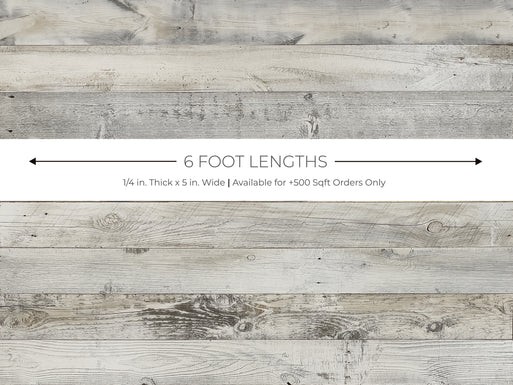
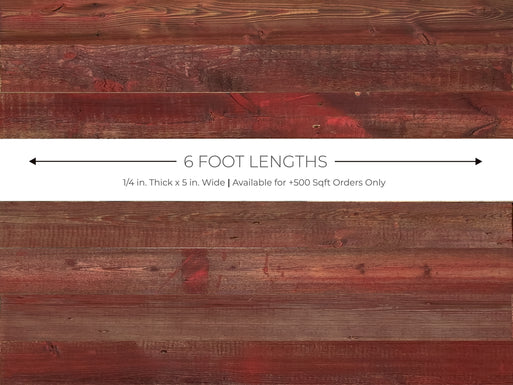
For larger builds, projects over 500 square feet can move to our 6-foot bulk paneling at a reduced cost per square foot compared to smaller orders. Planning something over 1,000 square feet? Call us, and we'll quote it.
Not sure which finish or profile fits your basement? Call (307) 314-1360 and we'll help you size the order, pick a finish, and plan delivery.
Most likely not, but it depends on your climate zone and how the wall is built. Most basements get basement wall insulation first, whether that is rigid foam board or closed-cell foam insulation against the concrete, expanded polystyrene foam, or fiberglass insulation such as R-13 batts between the studs. An air gap helps with thermal bridging and adds some energy efficiency. Vapor barrier placement varies by region, and getting it wrong can trap moisture in the wall, so follow local code or ask whoever handled your basement waterproofing before you close up the framing.
No. Simply follow the recommended acclimation and installation steps. Our wood already sits at 4 to 8% moisture content, which is far more stable than green lumber.
We don't recommend it. A concrete wall transfers moisture, and construction adhesive doesn't bond reliably to bare concrete. Use traditional framing instead: wood studs or metal studs at 16 inches o.c., insulation, then a flat substrate like drywall, plywood, or cement board. Panel over that, and the boards sit on a flat, stable base that holds up over time.
Our wood is naturally dried to 4 to 8% moisture content over years in Wyoming's high plains, and it ships pest-free. Mold growth in basements comes from water and poor air movement, not from the wood itself. Keep the space dry, fix any drainage system or seepage issues, and run a dehumidifier if you need one. For below-grade walls, a spot near a wet bar, or anywhere moisture is a concern, our Centennial Seal adds a layer of moisture and UV protection.
Yes, and for added peace of mind, our Flame Retardant Coating is commonly added to basement walls near a wood stove or fireplace insert. It is often required for finished basements in commercial buildings and can be pre-applied before shipping.
Yes. As long as you’re adhering the planks to a flush interior surface and follow recommended acclimation and installation steps, you can bring a little flair to even the most drab, forgotten corners of your home.
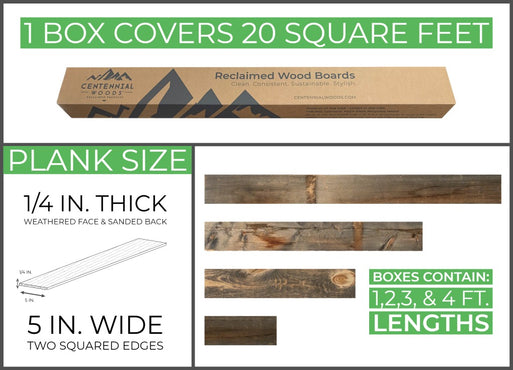
Each box covers 20 square feet, with planks 1/4 inch thick and a 5-inch face in a mix of 4, 3, 2, and 1-foot lengths. Multiply your wall height by its length, then add 10% to 15% for cuts and waste. Basements have more obstructions than most rooms, so the higher end of that range is safer.
Our reclaimed wood typically runs $7 to $14 per square foot depending on finish, quantity, and treatments like Centennial Seal or Flame Retardant Coating. Call us for a free estimate on your project.
Online orders under 500 square feet usually ship within 7 to 14 business days. Larger and custom orders generally run 1 to 4 weeks.
Yes, most people do. At 1/4 inch thick, the planks are light, cut easily, and go up with adhesive and nails. A full basement wall is just a weekend project for two people. Our full installation guide walks through the steps, and Centennial Cut-Seal seals any raw cut edges.