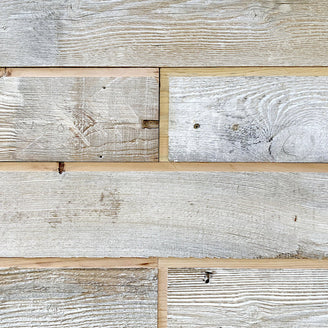
Step 1: Snap a Level Starter Line
Measure up from the bottom of the wall and snap chalk lines where the top of your starter strip will sit. A level starter line is the most important first step. Every row above it depends on this reference, so take your time.
Step 2: Attach the Starter Strip
Nail the starter strip along the chalk line, keeping fasteners every 8 to 12 inches. The starter strip holds the bottom edges of the first row of siding at the right angle. For wood siding, furring strips often work as a simple starter and also create a rainscreen gap that helps the wall dry out behind the boards.
Step 3: Install the First Row
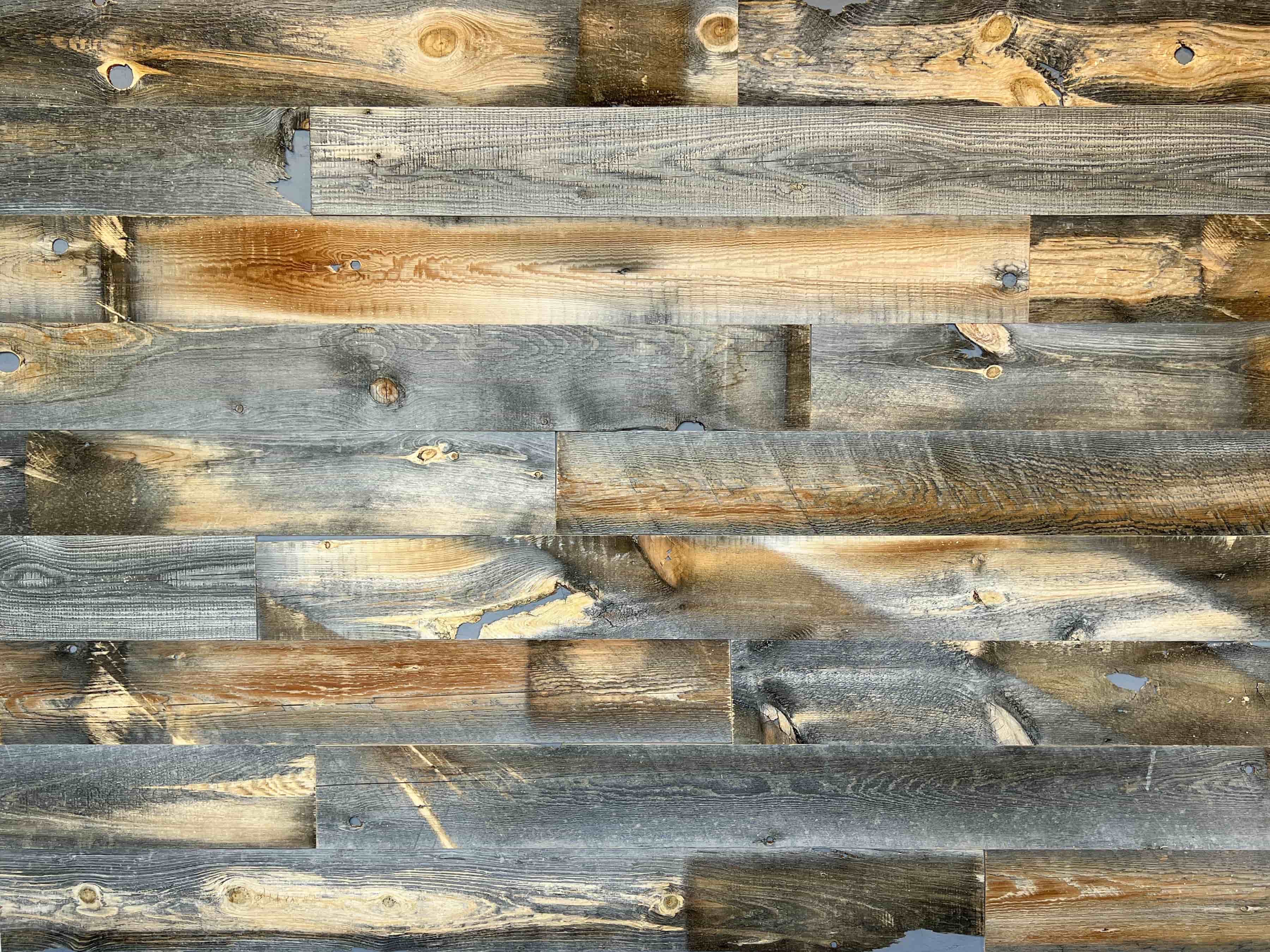
Set the first piece of siding into the starter strip and nail it to the sheathing, making sure it sits flush and level. Because our siding is so dry from the natural weathering process and remains dimensionally stable, you don't need to leave expansion gaps along corner posts or trim. Fit the board cleanly against adjacent surfaces for a tight, finished look.
Step 4: Work Upward Row by Row
Install the next board over the one below, following the profile you've chosen. Shiplap and tongue and groove self-align and hide fasteners under the next row. Lap siding overlaps by about an inch, with nails driven near the top edge so the next row conceals them. Board and batten calls for consistent spacing, with battens covering the seams. Check the level every few rows to keep the wall square.
When joining lengths, align the end joints so the seam looks clean. Small errors compound over a tall wall, so verify the level often. For vertical or board and batten applications, work from one corner across, keeping each board plumb.
Step 5: Cut Around Obstacles
Mark cutouts for outlets, vents, windows, and door openings as you reach them. Seal cut ends with Centennial Cut-Seal or a comparable sealer to protect the exposed wood, especially where boards meet flashing or trim. Leave small expansion gaps here, too. Use flashing tape and caulk at every penetration to keep water out.
Step 6: Finish at the Top
The final row often needs a rip cut to fit. Install horizontal termination trim under the eaves or fascia to cap the top edge. For batten siding, finish by attaching vertical battens using screws over the seams of the wider boards.
Common Installation Challenges and Fixes
Even careful installers run into surprises. Knowing the common issues in advance makes them easier to solve on the spot.
Uneven Walls and Older Homes
Older homes rarely have perfectly square walls. Shim behind the siding or use a wedge kit to correct small gaps before nailing. Check each row with a level rather than trusting the wall itself.
Moisture Problems
When moisture builds up behind siding, rot follows. Make sure the house wrap is continuous and flashing wraps into every window opening and door. A rainscreen gap behind the boards (created with furring strips) gives water a path to drain and dry.
Wood Movement
Our pre-dried reclaimed boards have a low 4 to 8 percent moisture content, making them extremely stable and showing little to no expansion or contraction once installed, especially compared to green lumber. For best results, we still recommend acclimating siding boards onsite for about 5 days before installation, keeping them uncovered but protected from rain and moisture, so they adjust to local conditions and install flatter.
Fastener Choices
Use the right nail or screw for the material. Stainless steel, ring-shank, or hot-dipped galvanized fasteners resist rust and hold well in wood. Driving a nail too tight or too loose causes boards to buckle or pull loose later.
Maintenance of Wood Siding
After installation, wood siding benefits from a protective finish every few years. Inspect boards each spring, reseal as needed, and replace any damaged pieces early. As a permanent structure on your home, exterior siding pays back the time you put into upkeep. Always follow the manufacturer's installation instructions for finish timing.
Centennial Woods: Start Your Reclaimed Wood Siding Project