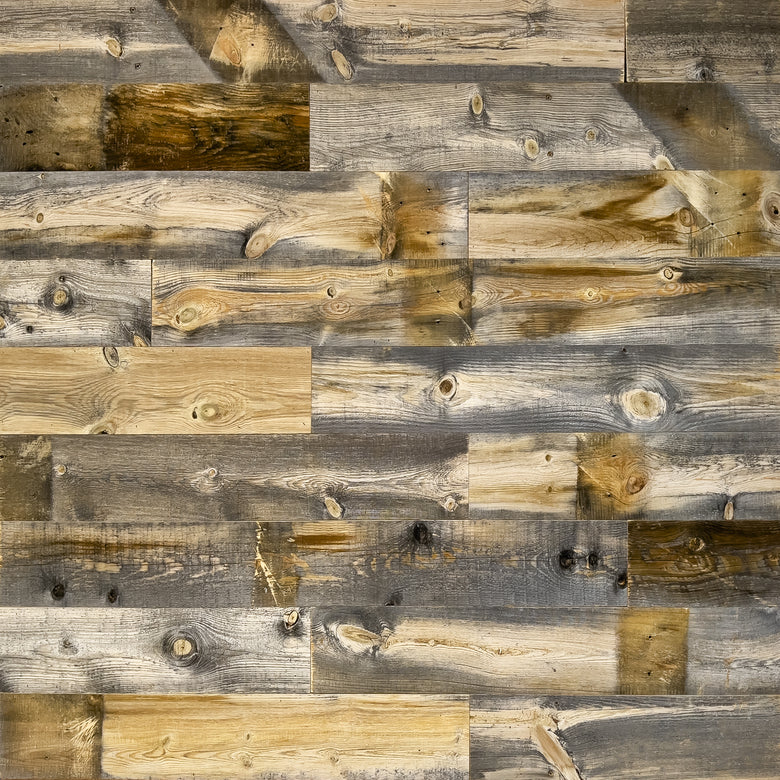
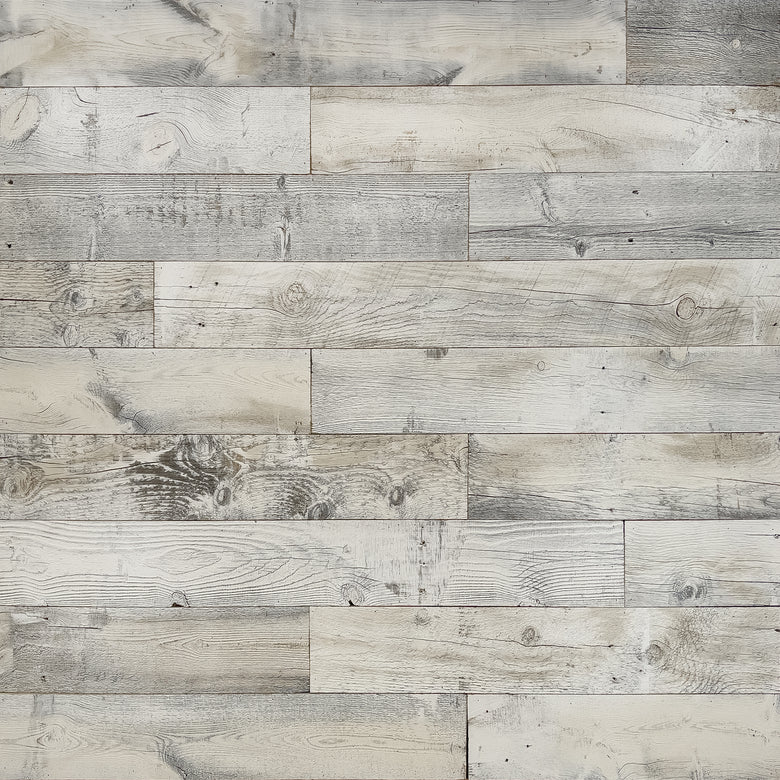
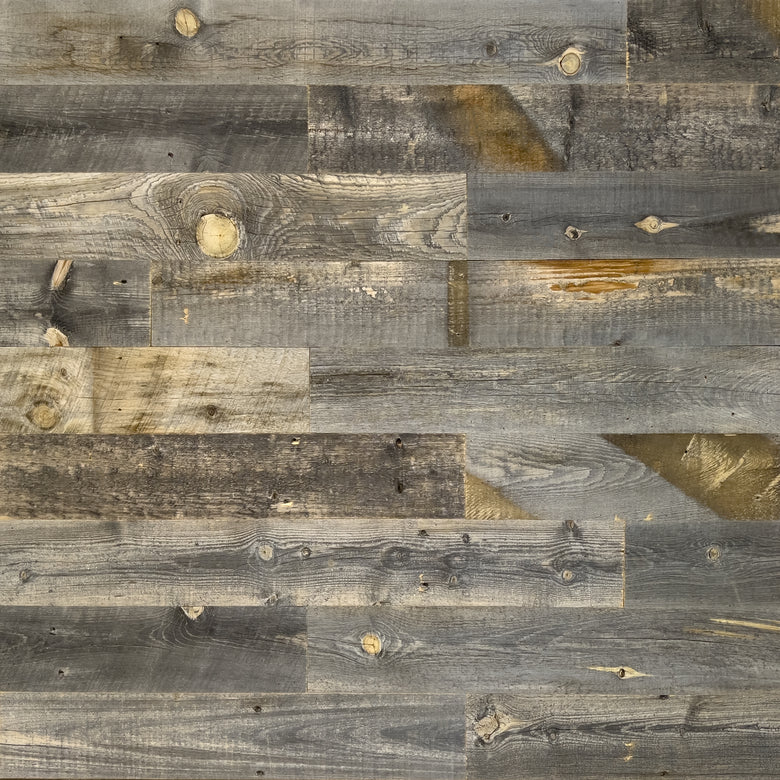
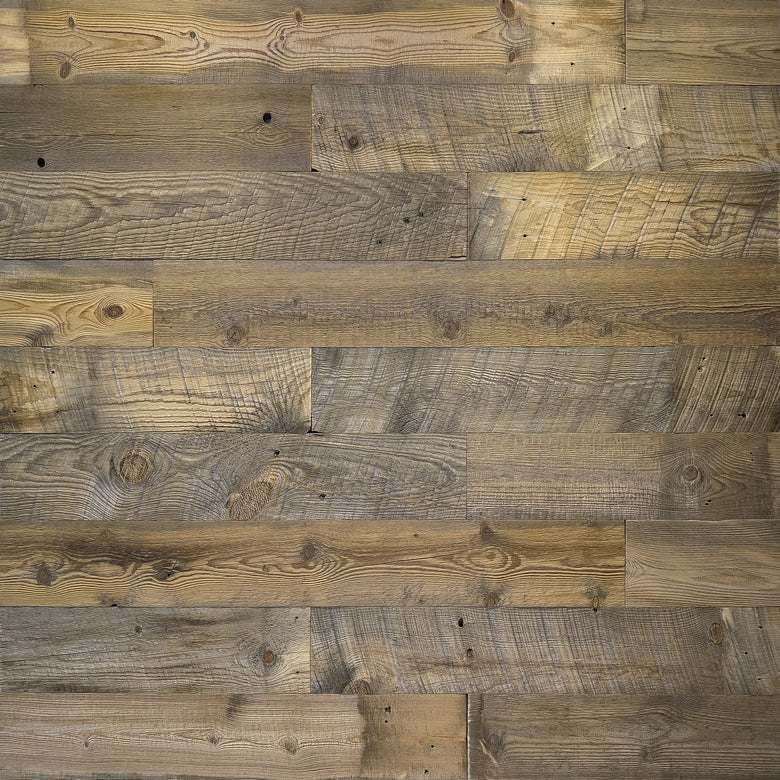
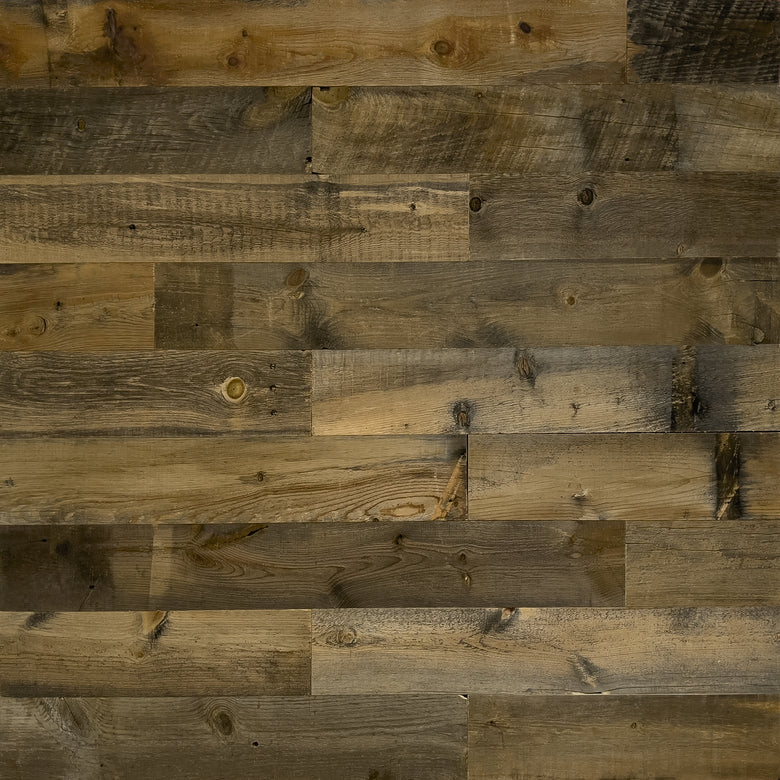
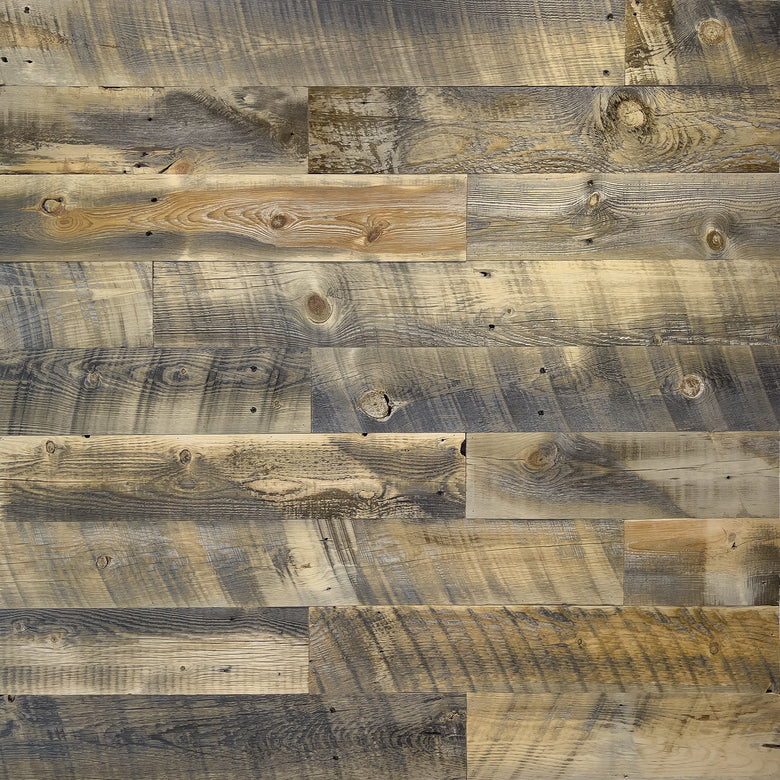
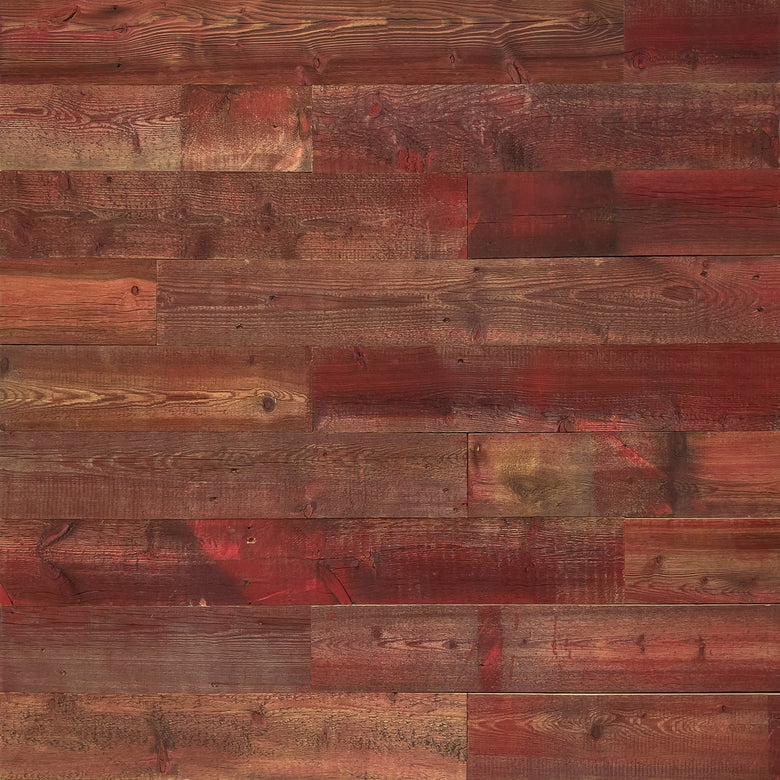
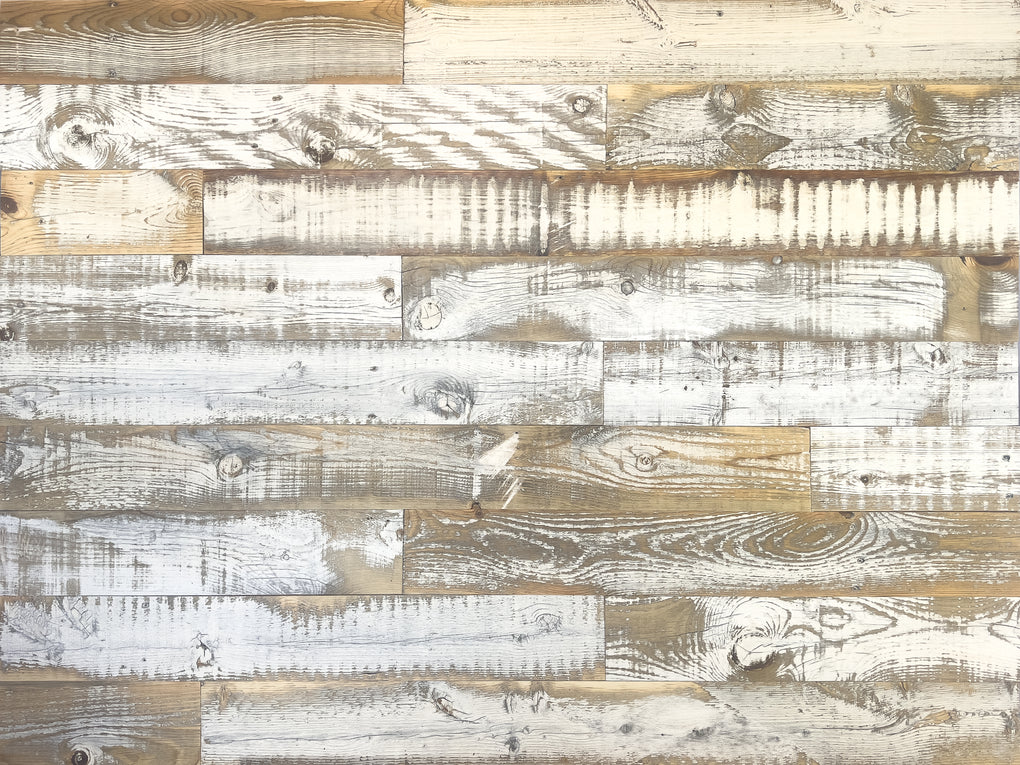
Look and Style
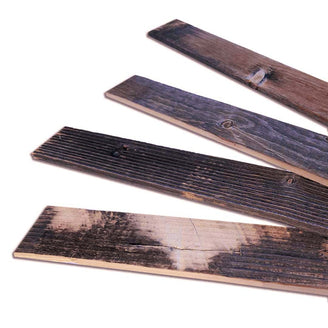
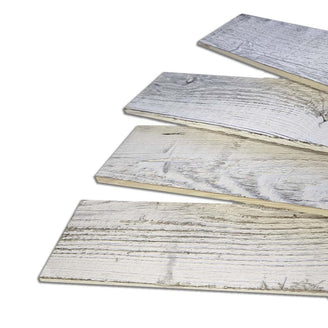
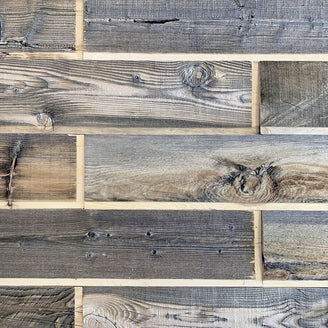
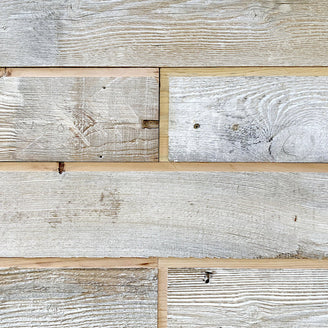
Shiplap has a more rustic feel. The shadow gap creates a repeating line of definition across the wall, adding texture and depth. Tongue and groove leans modern. Its flush face produces clean lines and a smooth surface with minimal joints. Choosing between the two often comes down to personal preference. Some people want the visible rhythm of shiplap planks. Others prefer the continuous, near-flat surface of groove siding.
Installation and Cost
A few choices shape how exterior siding is installed and what it costs.
Installation Methods
Both profiles attach to a prepared exterior wall over a moisture barrier. Some installs add furring strips to create a ventilated rainscreen gap that helps the wall drain and dry. Shiplap is usually face-nailed, which is quick and forgiving for first-time installers, and its overlapping edge sheds water while giving each board room to expand and contract. Tongue and groove is often blind-nailed through the tongue, so the fasteners stay hidden behind a flatter, more finished face. In fire-prone areas, a flame-retardant coating adds protection for either choice. For a full walkthrough, see our guide on how to install wood siding.
Horizontal vs. Vertical Layout
Either profile can run horizontal or vertical. Horizontal rows give the traditional siding look and make a wall read wider. Vertical boards draw the eye up and shed water quickly. The orientation is mostly a style call, since both profiles seal well in either direction.
What Affects Cost
As a general rule, tongue and groove runs a little higher than shiplap. Cutting both a tongue and a groove takes more milling than shiplap's single rabbeted edge, and that extra step tends to show up in the price. A few other factors move the total:
-
Project scope matters most. A small wall uses far less material than wrapping a full exterior, so the total scales with the square footage you cover.
-
Outdoor add-ons cost extra. Optional moisture and fire protectants add to the price up front, especially on exterior projects facing the sun and weather.
-
Order size can lower the rate. Larger siding jobs may qualify for bulk pricing, which reduces the cost per board.
Reclaimed wood also sits in a different category than fiber cement and other manufactured siding. It trades factory uniformity for natural character. For an exact number on either profile, request a quote through the form on our siding page, and the team will price your specific project.
Centennial Woods: Reclaimed Shiplap and Tongue and Groove Siding