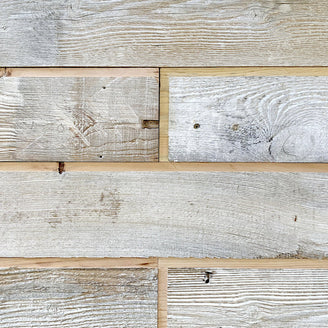
The Short Answer: Common siding options for homes include wood, vinyl, fiber cement, metal, brick, stone veneer, stucco, and composite. The right siding comes down to your climate, how much maintenance you want, and the look you are after.
Your siding sets the look of the home’s exterior, and it protects everything behind it from the weather. That makes it one of the bigger calls on an exterior project, since it wraps most of a home and adds up to a lot of square feet to get right. There are a lot of siding options out there, and they’re not interchangeable. Each type of siding handles weather, upkeep, and curb appeal differently, so the right siding for one house can be the wrong call for another. The move is to weigh climate, maintenance, cost, and appearance before anything goes on the exterior.
What Your Siding Has to Do
Before you land on a look, start with the job. Siding stands between your exterior walls and the weather, holding off moisture, wind, insects, and temperature swings. Siding also provides a layer that helps with energy efficiency, although this varies by material.
A few different factors decide the right siding for your home:
-
Curb appeal: Color, grain, and profile drive how the exterior reads.
-
Durability and fire resistance: How the material takes impact, age, and fire.
-
Maintenance: Some siding asks for almost nothing. Others need repainting or staining on a schedule.
-
Climate fit: Moisture, high winds, and big temperature swings all change how a material performs.
-
Cost and labor: Faster installs can lower labor costs.
Line these up against your home’s architectural style, your local climate, and your personal style preference. Match the siding to your specific needs. There’s no single best siding for every house.
The Common Types of Siding
Here are the different types of siding for homes most owners weigh, and what each one does best.

-
Vinyl siding: Vinyl siding is made from polyvinyl chloride (PVC), and it’s light, affordable, and low maintenance. It shrugs off moisture, rot, and insects, which makes it a popular choice for a homeowner who wants durable exterior siding without the upkeep.
-
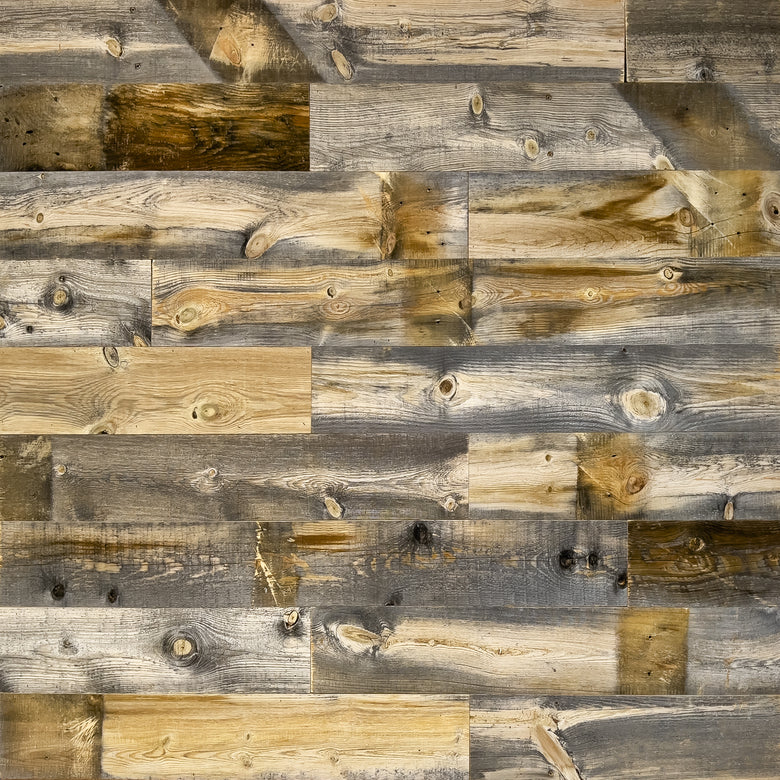
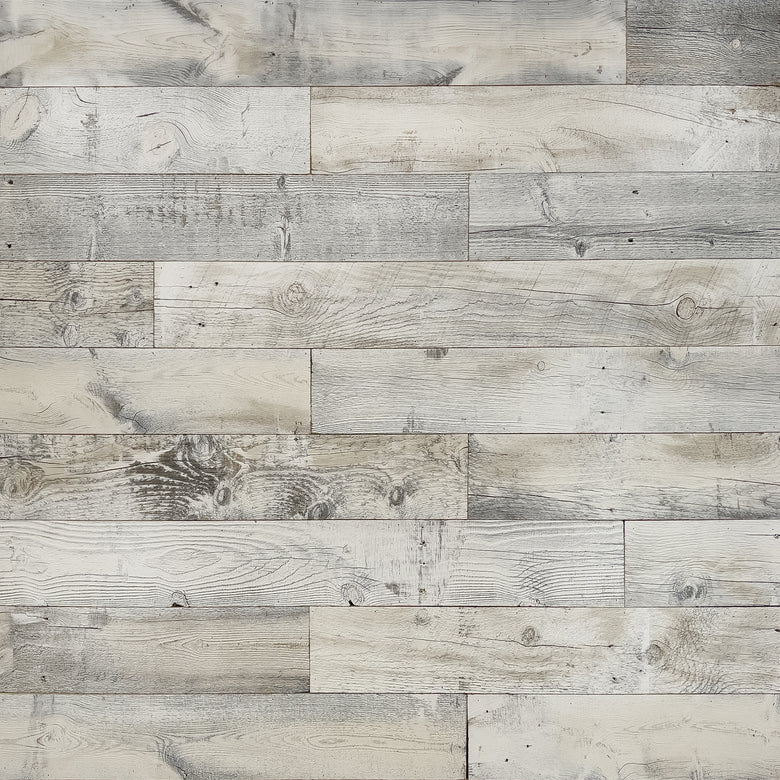
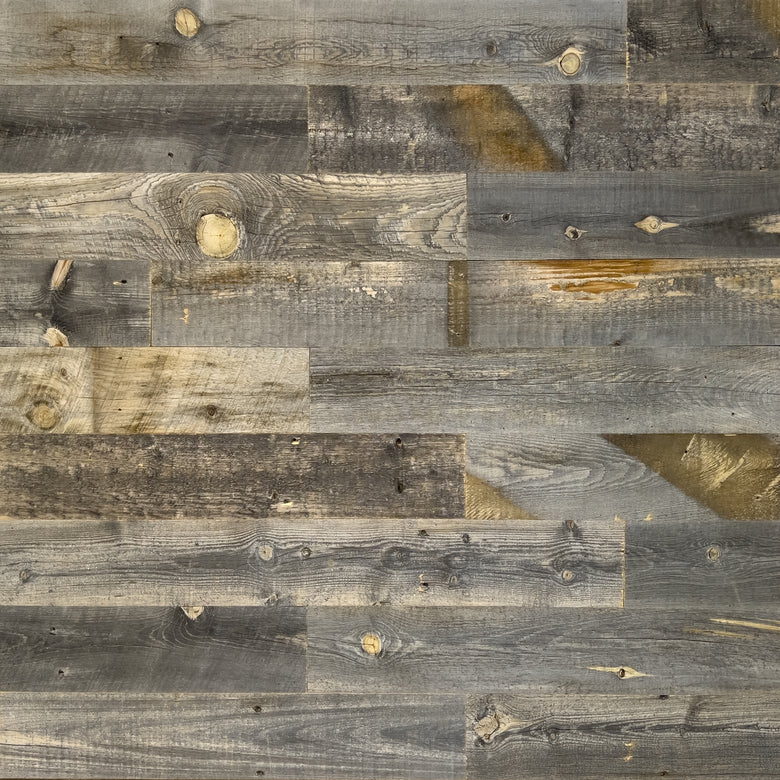
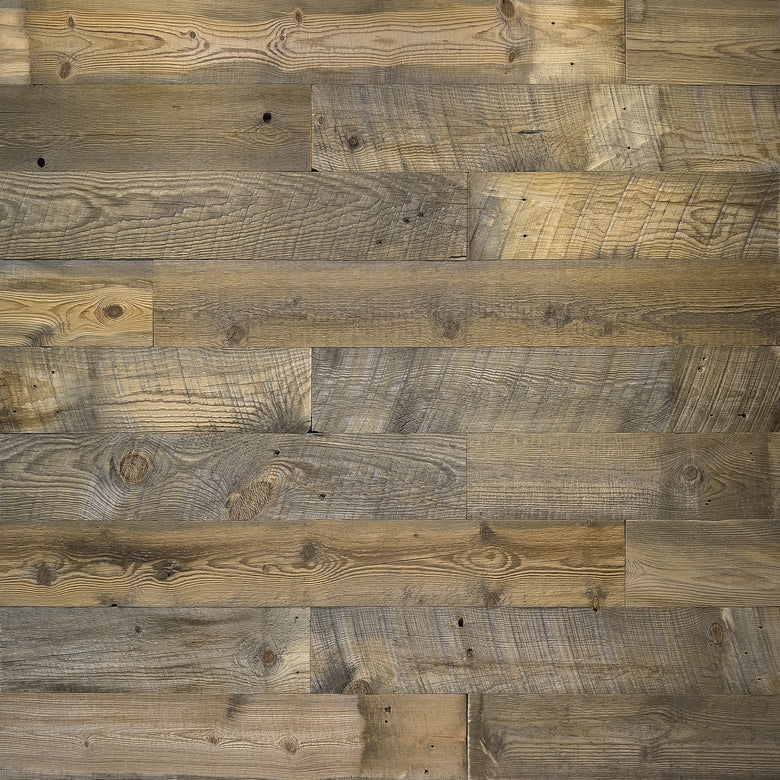
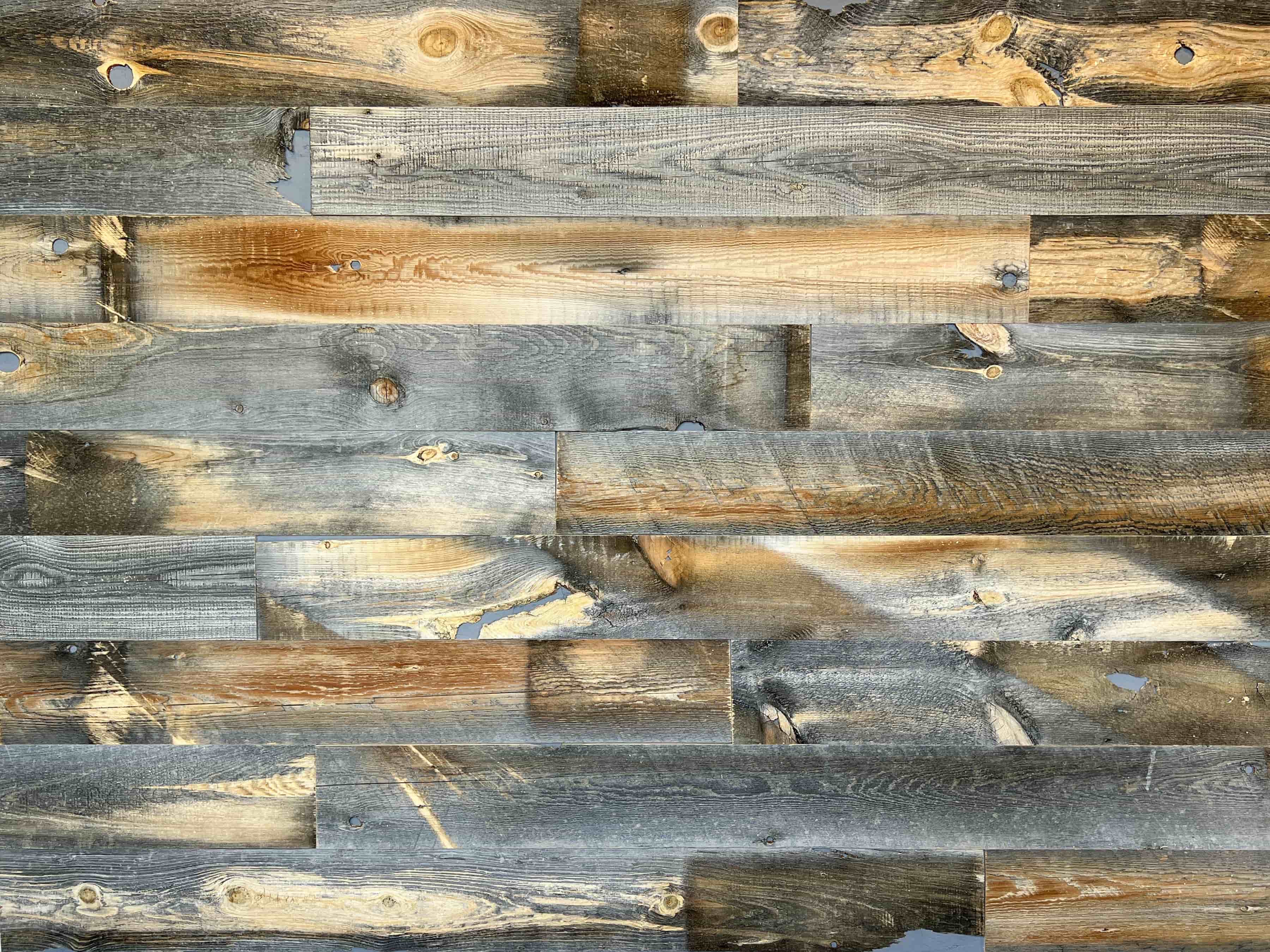
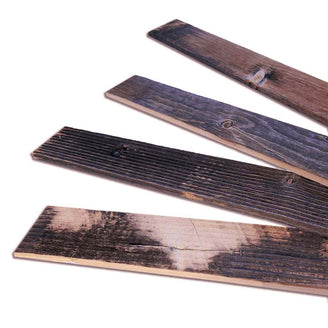
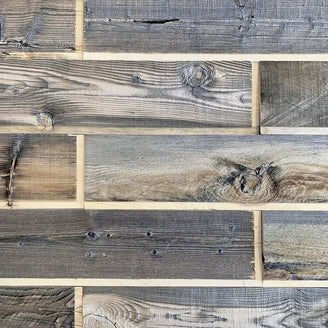
Wood siding: Natural wood siding brings warmth that synthetic look-alikes can’t match, and reclaimed wood siding takes that further with boards already weathered by years outdoors. It comes as lap boards, wood shingles, or shakes, and with proper maintenance, it ages well.
-
Fiber cement siding: Fiber cement mixes cement with cellulose fiber, so it helps prevent fire, insects, and moisture while still appearing like wood. It’s an excellent choice for homes in extreme temperatures or for homeowners looking for less upkeep.
-
Metal siding: Steel siding brings rigidity and impact strength, and aluminum siding is light and rust-resistant. Metal siding reads sleek and modern.
-
Brick siding: Brick gives you classic looks, strong fire resistance, and real staying power. It costs more to install, but it keeps its color and asks for little upkeep.
-
Stone veneer siding: Stone veneer siding mimics natural stone at a lighter weight and lower cost. Use it as full cladding or as an accent at entries.
-
Stucco: Stucco is a blend of cement, sand, and water that suits dry climates and takes almost any color. With proper maintenance, it can last for decades and is rot, rust, and fire resistant.
-
Composite siding: Many composite products mix wood fibers with resins or binding materials, offering the look of natural wood with low maintenance.

Wood Siding: New, Reclaimed, and Synthetic
These three wood siding options don’t behave the same way:
-
New wood siding: Freshly milled boards can give you a uniform look and a wide range of finishes. Like any new wood, they move as the moisture around them changes, so they usually need a break-in period and steady upkeep.
-
Reclaimed wood siding: Boards that already weathered outdoors for years come with a patina and stability new lumber hasn’t earned yet. Centennial Woods reclaimed wood siding is air-dried to a low moisture content, so it tends to stay flat and resist the cupping that trips up fresh boards.
-
Synthetic wood siding: Engineered and composite look-alikes trade some authenticity for low upkeep. The printed grain tends to repeat across boards, so the pattern can give itself away up close, unlike reclaimed wood.
How Each Material Holds Up
Performance matters as much as looks, since a material that can’t withstand certain weather can show it fast.
Durability and Fire Resistance
Brick, fiber cement siding, and metal siding generally handle extreme temperatures and hard use. Reclaimed wood siding can get a Flame Retardant Coating when you want added fire protection.
Energy Efficiency and Weather
Energy efficiency rides on both the siding and what’s behind it. Insulated backing slows heat transfer, and lighter colors bounce more heat away. Metal and fiber cement tend to hold up in harsh weather conditions, and reclaimed wood does best when it stays sealed and maintained. For added protection, Centennial Woods offers Centennial Seal on its reclaimed wood siding, which creates a breathable, water-resistant barrier against UV and moisture exposure.
Proper installation ties it all together. Even the best siding can fail early if water sneaks behind it. Trapped moisture can turn into rot and structural damage, so professional installation matters on the tougher materials.
Board Width and Profiles
Material gets the spotlight, but width, profile, and direction shape the final look too.
Common Profiles
-
Lap siding: Horizontal boards that overlap, classic and flexible.
-
Board and batten siding: Vertical boards with slim battens over the seams for a bold, rustic face.
-
Wood shingles and shakes: Individual pieces with heavy texture, often on gables or accent walls.

Reclaimed Wood Siding Options
Four options cover most projects, so you can dial in the look:
-
Nominal 1x6: Weathered on all four sides, in 8, 12, and 16 foot lengths for longer runs.
-
Consistent S3S: Squared, milled edges for cleaner lines, 5 inches wide and 11/16 inch thick, in 8 and 12 foot lengths.
-
Shiplap: A 4 1/2 inch face with overlapping edges for a clean, consistent fit, available in 8- and 12-foot lengths for horizontal or vertical installation.
-
Tongue and Groove: Boards that interlock edge-to-edge, 11/16 inch thick with a 4 1/2 inch face, in 8 and 12 foot lengths.
Direction matters, too. Vertical boards pull the eye up for a modern feel. Horizontal lap siding reads more traditional, which is why it shows up on so many older homes.
Why Board Width Matters Less Than You Think
Plenty of homeowners fixate on board width, and 8 inch boards especially, but it rarely makes or breaks the look. Once the siding spans a full wall, the gap between a 6 inch, 8 inch, and 10 inch board reads as subtle from the street. What really carries the aesthetic appeal is the texture, color, and finish of the siding material, not an inch or two of width. Wider boards also tend to cup and warp over time, so narrower, well-dried boards stay flatter longer.
Centennial Woods: Reclaimed Wood Siding
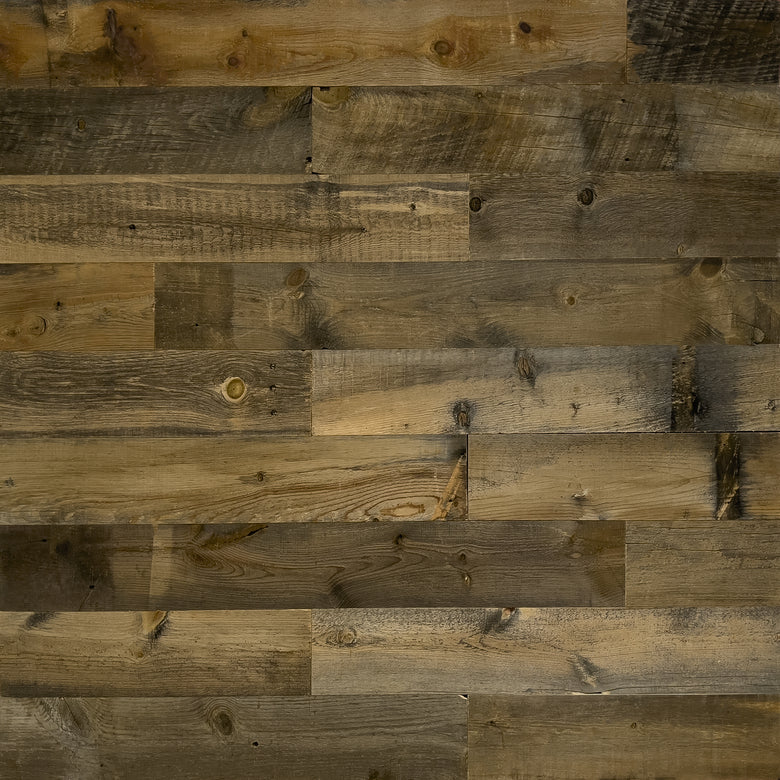
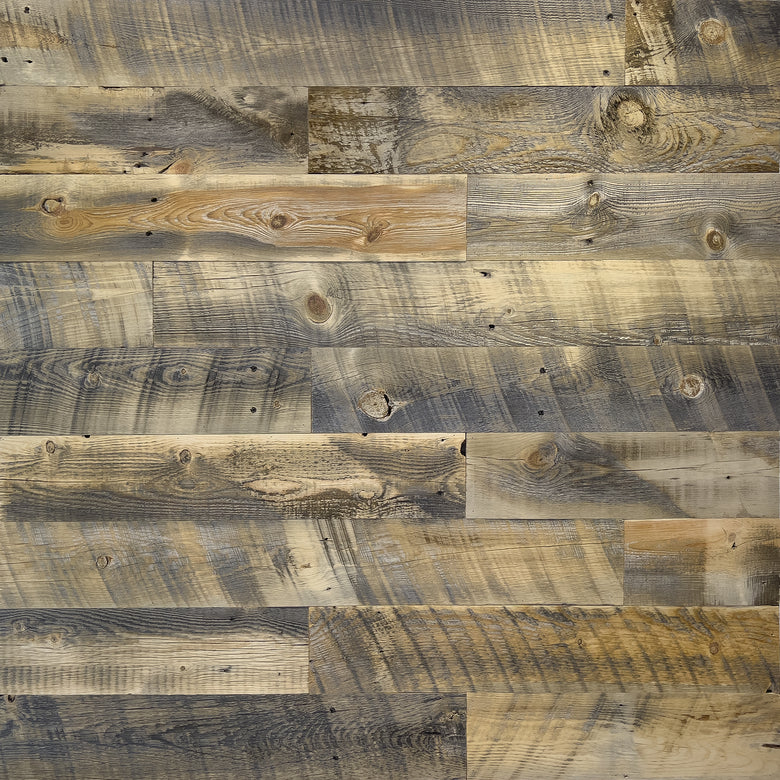
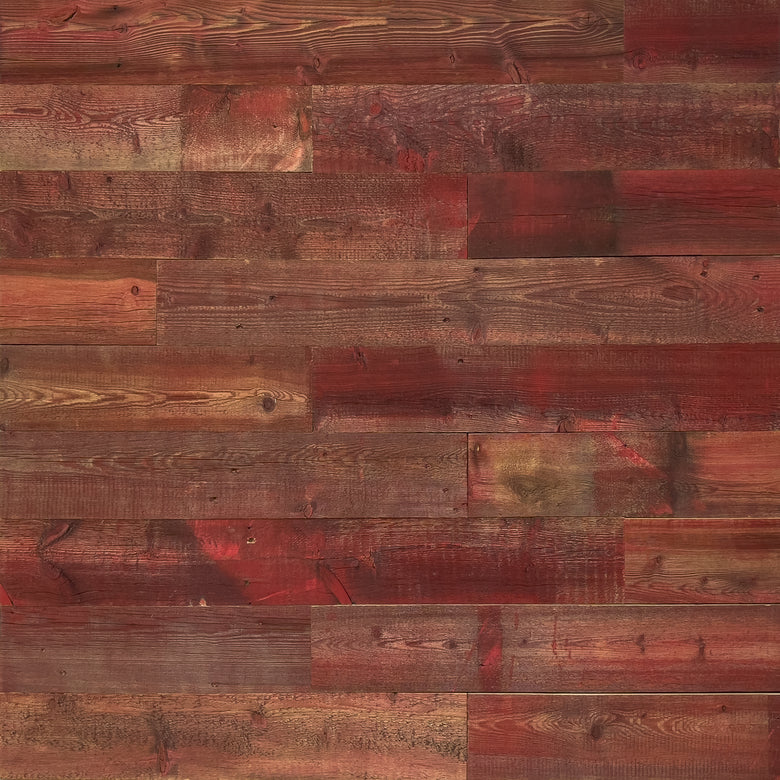
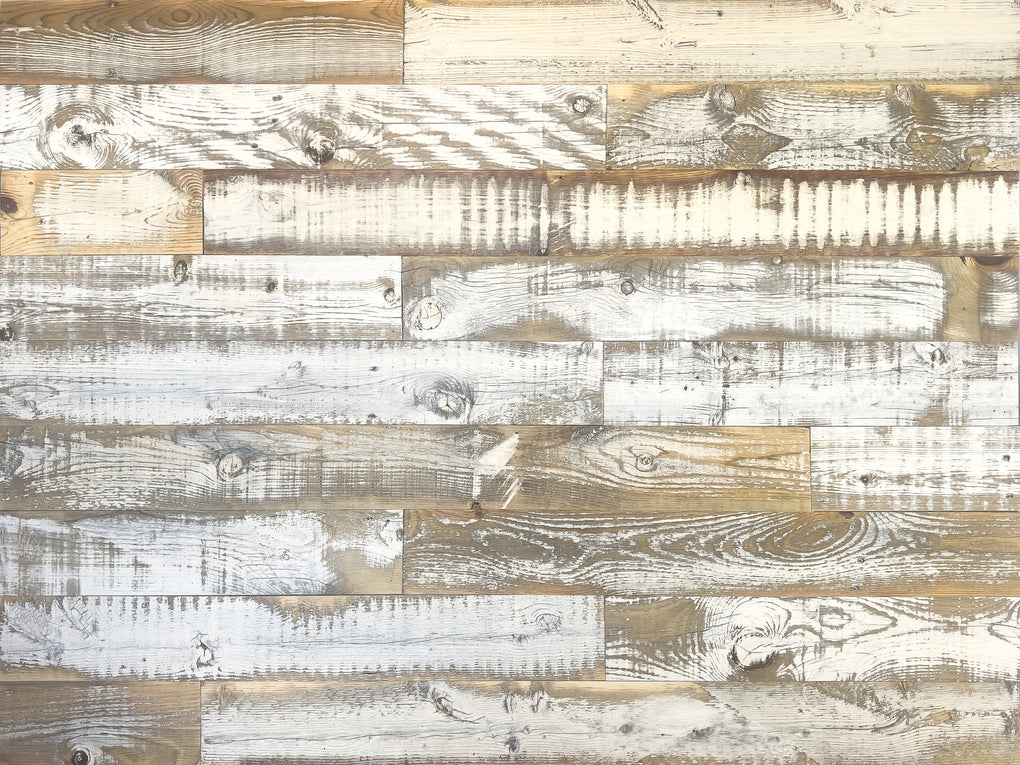
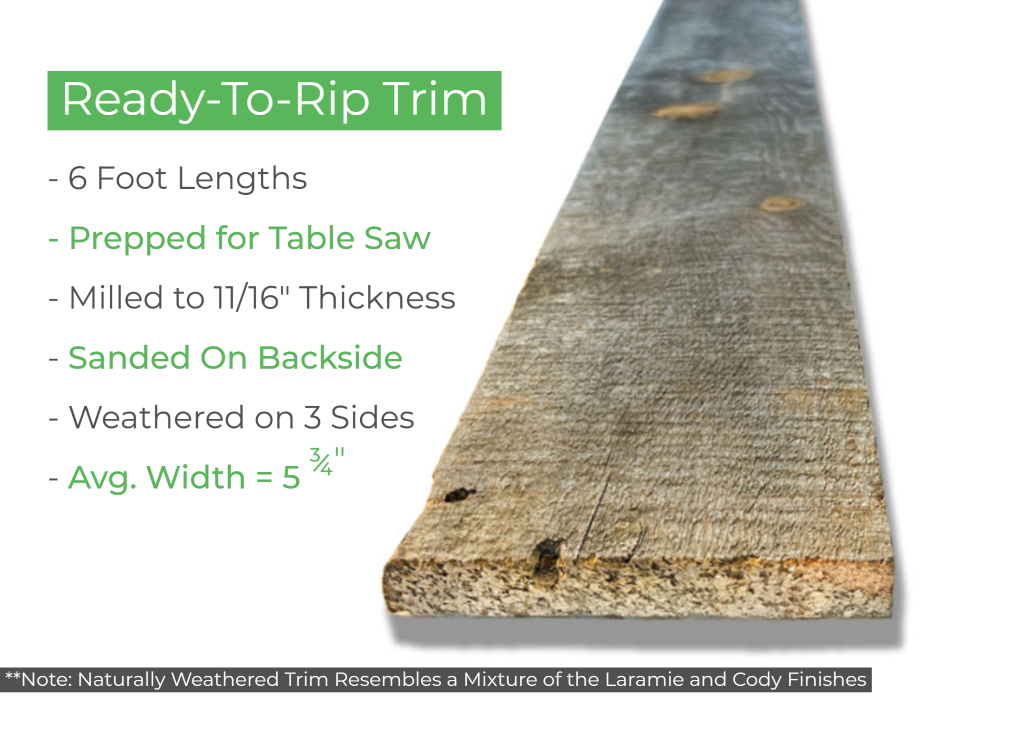
If you want exterior siding with a real backstory, reclaimed wood siding gives you character that new siding can’t fake. Centennial Woods builds its reclaimed wood siding from Wyoming snow fences. Those boards weather along the state’s roadways for seven to ten years, and the sun, wind, and snow leave them with a gray-brown patina, color variation, and texture you can’t rush.
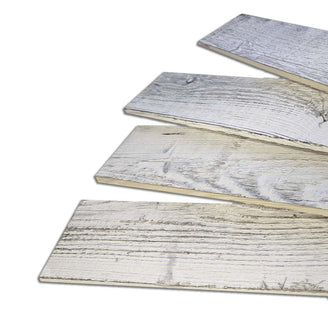
You can also add Centennial Seal for UV and moisture protection, or a Flame Retardant Coating for extra fire resistance on any of the four siding profiles and the wood meets GREENGUARD Gold standards.
Ready to give your home an exterior with some history behind it? Browse Centennial Woods reclaimed wood siding to get started.