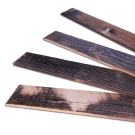
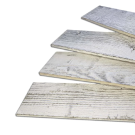
The Short Answer: The best farmhouse siding combines a clean profile with a material that fits your style, budget, and maintenance preferences. Wood siding offers natural character, and reclaimed wood takes that look further with boards shaped by years of weathering. Pair your siding with our reclaimed wood trim to create a complete modern farmhouse exterior.
Siding is the first thing people see when they pull up to your house. It covers more square footage than any other exterior material, and it sets the tone for everything else: the trim work, the windows, and even the porch.
The modern farmhouse look blends the practical, traditional shape of an old one with the polished details of a newer, contemporary design. The siding is what ties those two ideas together on the outside of the building.
What Defines a Modern Farmhouse Exterior?

A modern farmhouse home takes the practical shapes of rural architecture and cleans them up. Each one looks a little different, but most modern exteriors share a handful of features that make the style instantly recognizable:
-
Clean lines: Simple gable rooflines and uncluttered walls. The focus stays on the structure itself and the materials covering it.
-
Vertical siding: Board and batten is probably the single most recognizable siding choice for the modern farmhouse look. Its vertical lines draw the eye upward and give the exterior a clean, structured appearance.
-
Black windows: Dark window frames against lighter siding create a sharper, more modern, and crisp contrast.
-
A front porch or covered porch: Porches are functional, and they set the welcoming tone that farmhouse architecture has always been built around.
-
A simple palette: White siding, soft neutrals, maybe a deep charcoal. Natural wood accents. These simple details usually tell the whole color story.
Why Wood Siding Fits the Farmhouse Look
Wood siding is the heart of farmhouse architecture. It is what comes to mind when most people picture that iconic, traditional look.
Here is what keeps wood siding at the top of the list:
-
Natural wood grain: Every board has its own patterns, textures, and color shifts. Manufactured products spend a lot of money trying to imitate that, but they are never quite the same.
-
Flexible finishes: You can paint wood, stain it, seal it, or leave it to weather on its own. That kind of range is hard to find in other siding materials.
-
Multiple profiles: Wood does horizontal siding like lap siding and shiplap, and it does vertical siding like board and batten. It handles both without looking forced.
-
Aging with character: Wood develops a patina that actually adds personality over time. That is the opposite of most building materials, which lose stylish details as they age.
New Wood vs. Reclaimed Wood Siding
Not every type of wood siding is the same. New and reclaimed boards start in completely different places, and they bring different stories to a home.
New Wood Siding
Freshly milled boards give you consistent dimensions, clean surfaces, and a wide range of available wood finishes.
Like all wood products, though, new siding expands and contracts as the moisture around it changes. Proper siding installation, finishing, and maintenance keep it in check over time, but new wood needs a break-in period that reclaimed boards have already been through.
Synthetic Wood Siding
Synthetic options give you the look of wood with less upkeep, and for some homeowners that tradeoff is worth it. Most stand up well to moisture, rot, and insects, and can require less maintenance than natural wood.
The tradeoff is authenticity. A printed or pressed wood grain repeats across the boards, so the pattern gives itself away up close. No panel of reclaimed wood is ever exactly the same.
Reclaimed Wood Siding
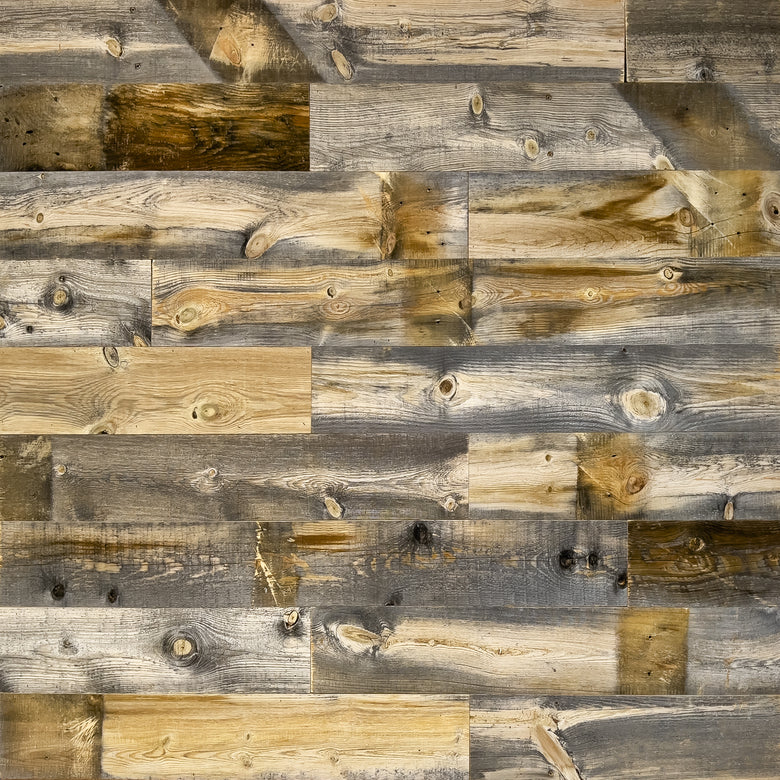
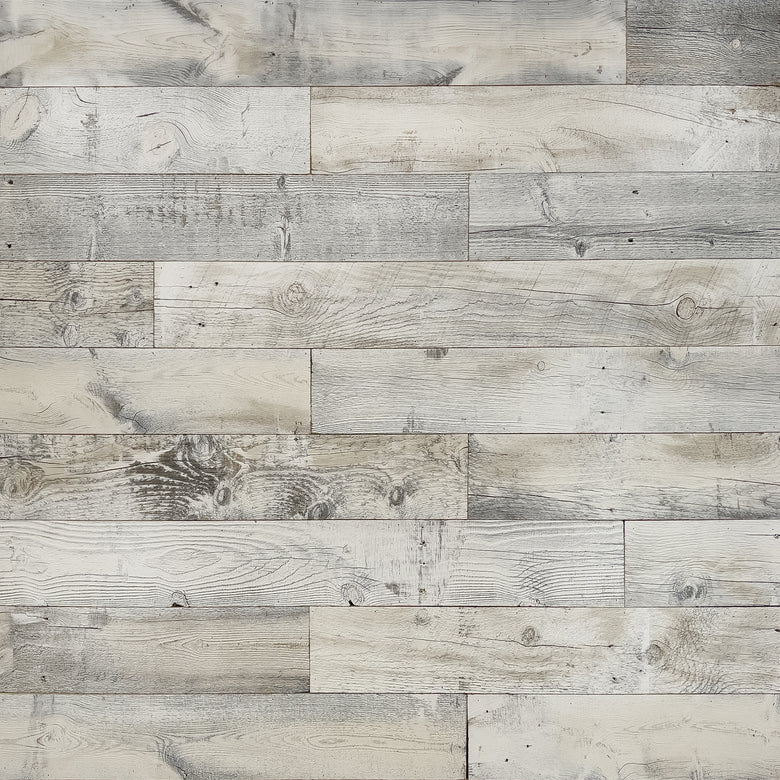
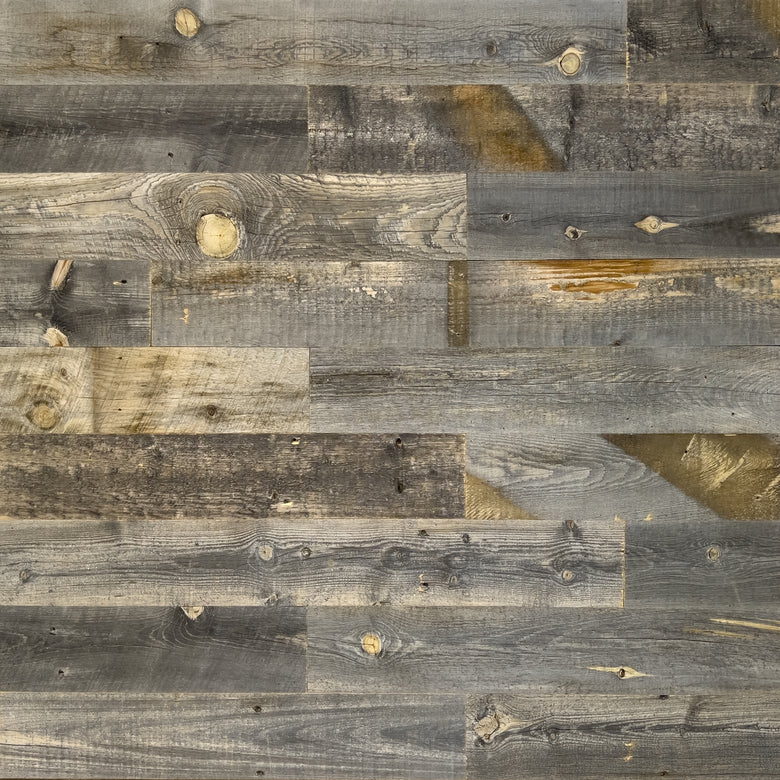
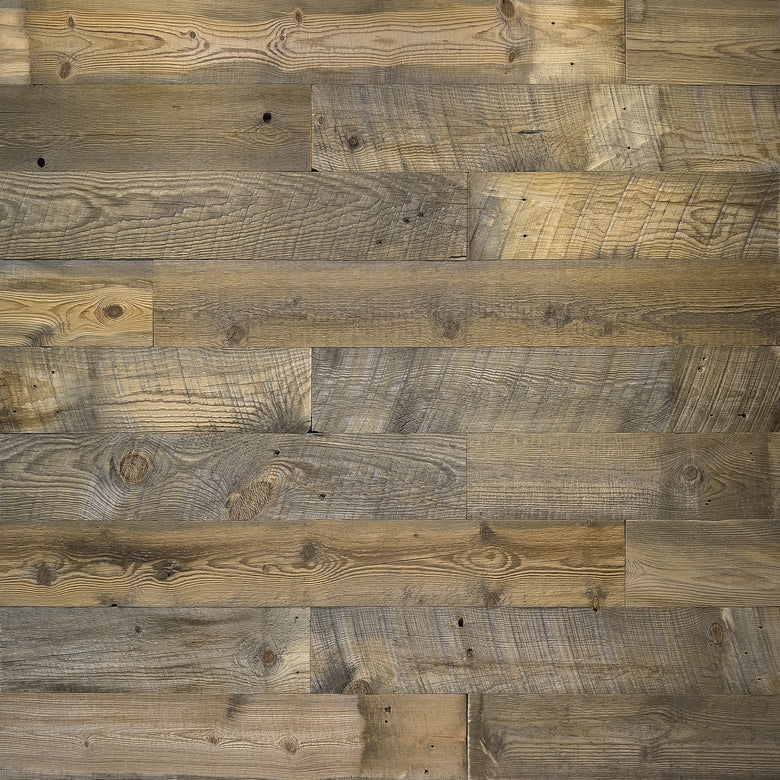
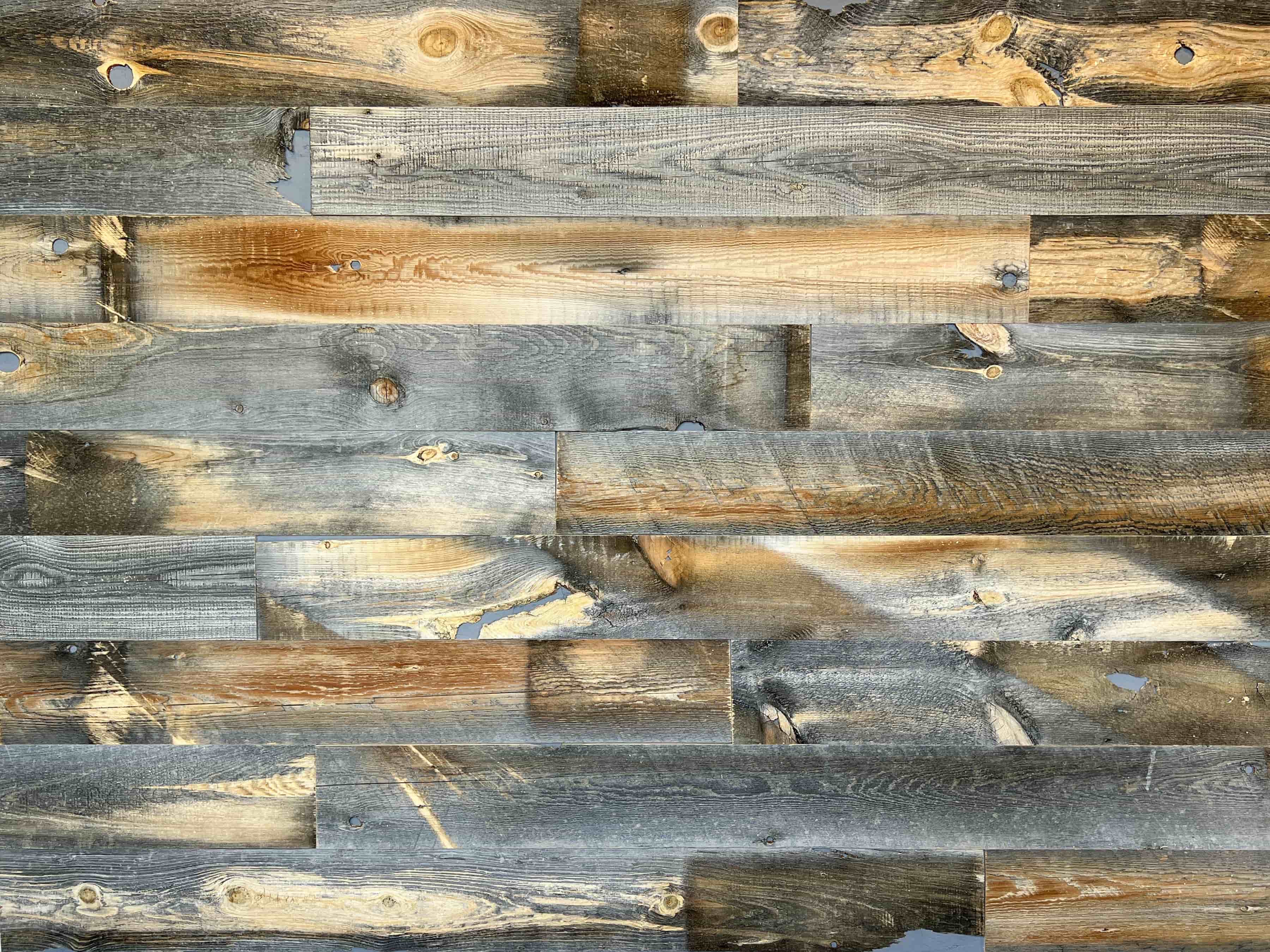
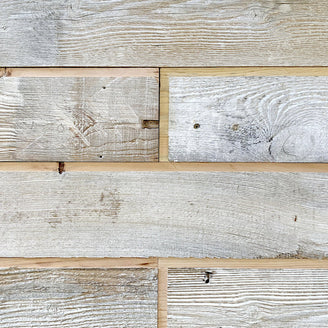
Reclaimed wood siding has a weathered appearance that is difficult to fake with new wood. Boards that have already spent years sitting outside have unique wood grain, natural color variation, and surface textures that give a home a more established look.
If you want a modern exterior with real character, reclaimed wood delivers that right out of the gate. No two projects end up looking alike because no two batches of boards are a complete match. Reclaimed wood can bring warmth and variation to any build or renovation.
Reclaimed Wood Siding Options
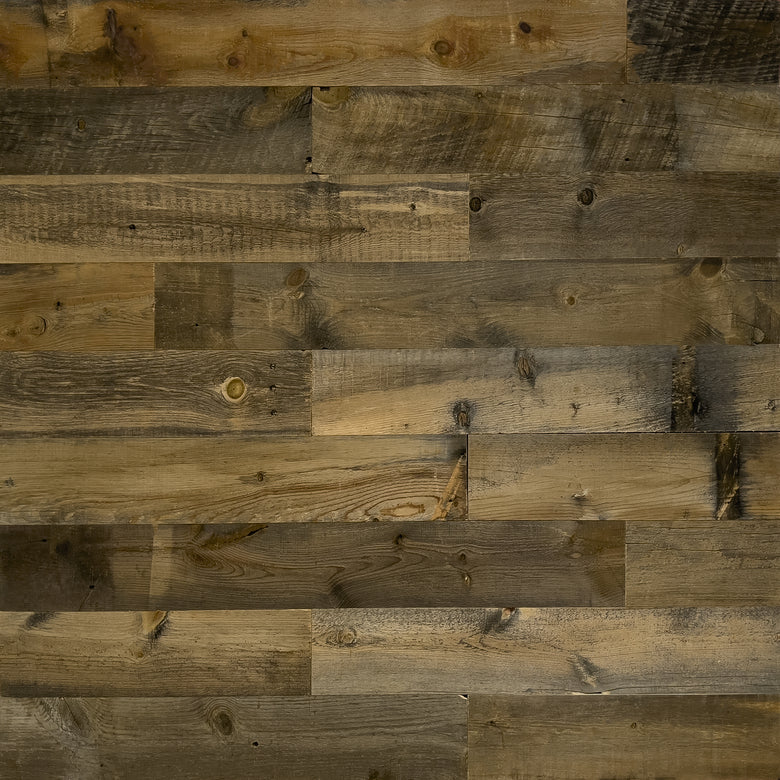
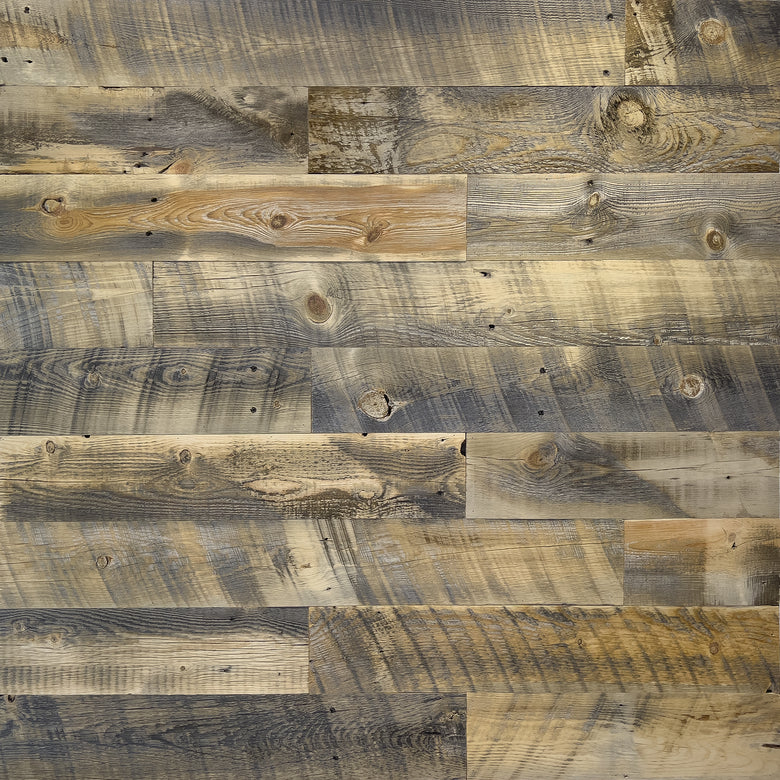
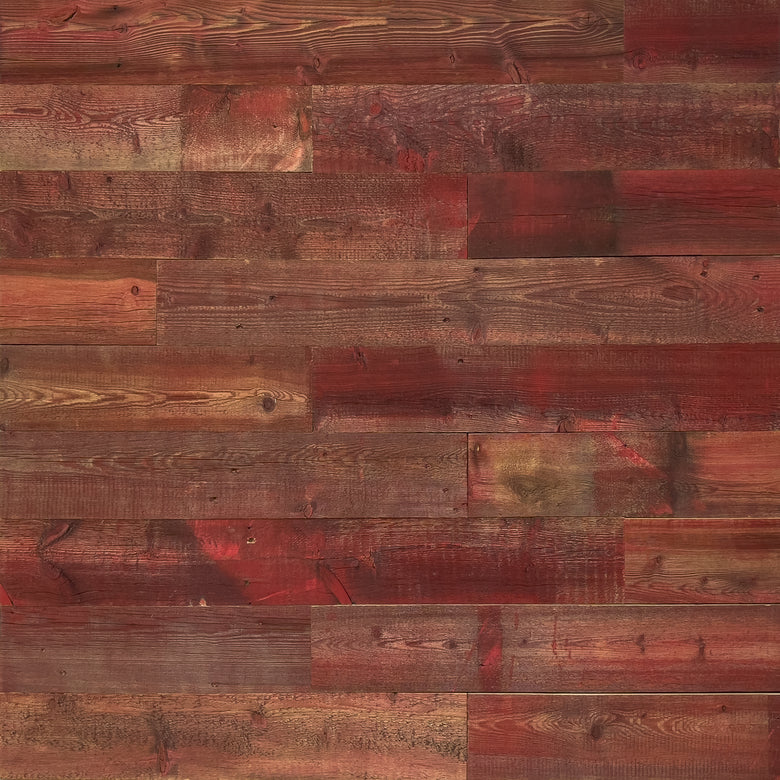
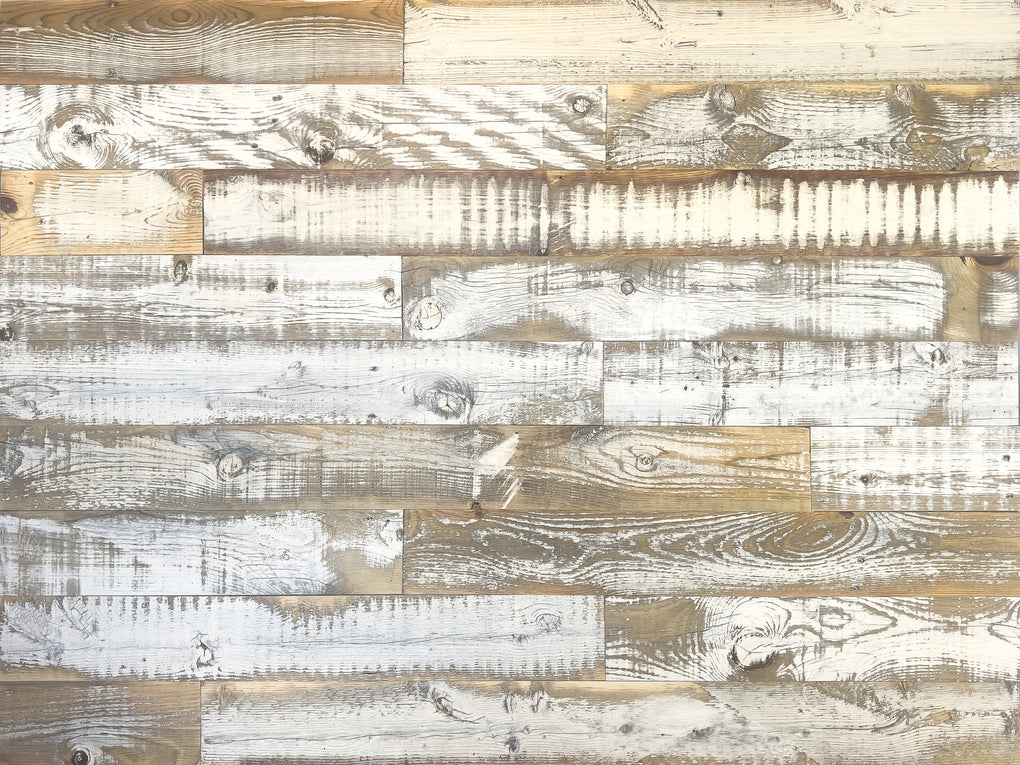
The profile you choose sets the character of any home exterior. Centennial Woods offers its reclaimed boards in four different weathered and durable options, so you can dial in the look that fits your home:
-
Weathered Wood Nominal 1x6: Weathered on every side, it is ideal for exterior applications. It runs long, in 8, 12, and 16 foot lengths, making it suitable for an outdoor home project. This siding has natural and rich patterns that make it hard for synthetic siding to compete.
-
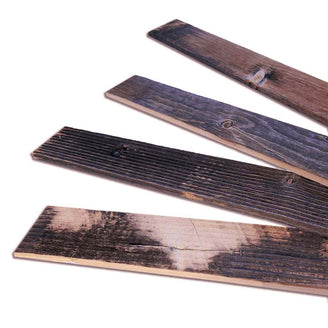
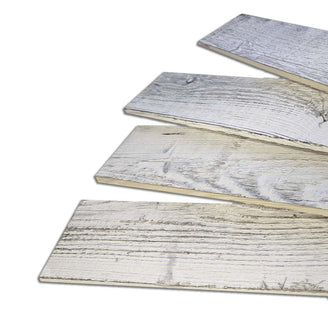
Weathered Wood Consistent S3S: Another weathered surface with squared edges for clean, consistent lines. In 8 and 12 foot lengths, it strikes a middle ground when it comes to project sizes. Finishes can come in brown, gray, or white making this siding flexible to different styles.
-
Shiplap: Overlapping edges that lock together for a tight seal or nickel-gap style if you want a cleaner, more even spacing. With 8 and 12 foot lengths, offered in multiple finishes, it reads natural and versatile, and can run horizontally or vertically.
-
Tongue & Groove: Boards that interlock edge to edge into a flush surface leaving you with a weather resistant seal on a modern finish. With lengths up to 12 feet this siding blends an authentic look with a refined modern style.
Any of the four can be ordered in eight weathered finishes and with pre-applied Centennial Seal or a Flame Retardant Coating.
Why Width Is Not the Main Decision
It is easy to get caught up comparing widths, but with reclaimed siding the width matters far less than most people expect. What actually draws the eye is the patina, the weathered grays, browns, and blonds, the grain, and the texture in each board. So the real decision is the finish and character you want, not the width.
Vertical vs. Horizontal Siding
The direction your siding runs changes the entire personality of an exterior. This is not about which boards you buy, it is about how they go on the wall. The same profile can run either way, and the direction you choose has a visual impact.
-
Vertical siding: Vertical board patterns pull the eye upward and make a home look taller. This is the layout most people picture when they hear "modern farmhouse."
-
Horizontal siding: Lap siding reads more relaxed and traditional. If you are going for a softer, historic feel rather than the sharp modern version, horizontal is the move.
-
Mixed direction: A lot of designers combine vertical board and batten on the main body of the house with horizontal siding on an accent area. Mixing directions adds visual interest and keeps a big exterior from feeling monotone.
Choosing Colors and Trim Details
The siding sets the tone while color and trim work are what finish the farmhouse look.

These are the combinations that keep showing up on modern farmhouse homes:
-
White siding with black windows: The classic high-contrast pairing. It practically defines the style at this point, and it is hard to mess up.
-
Dark siding with natural wood accents: Charcoal or black siding with lighter reclaimed wood on the gables, porch, or entries. Bold, warm, and current all at once.
-
Soft neutrals: Warm grays, greiges, and off-whites. These read quieter than white but still feel modern. Good for homeowners who want that classic look without the high contrast.
-
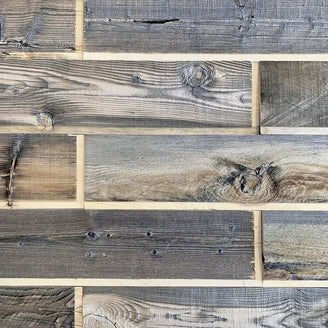
Natural or reclaimed wood: Leaving wood unpainted is its own color choice, and a good one. The natural grain, texture, and color variation add warmth and character.
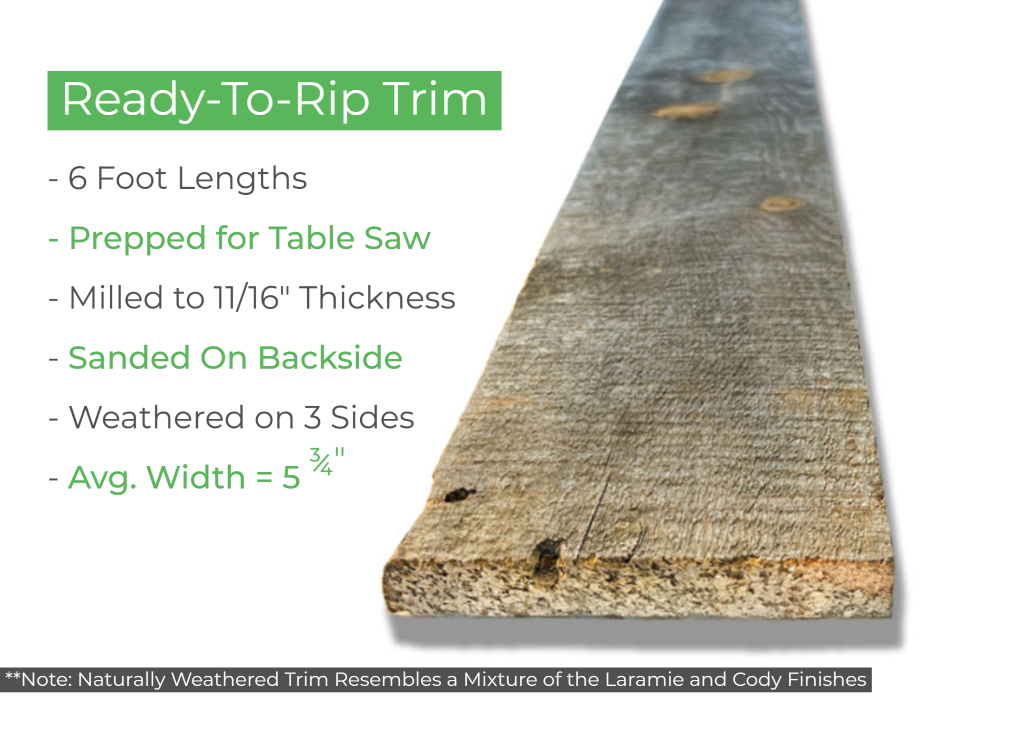
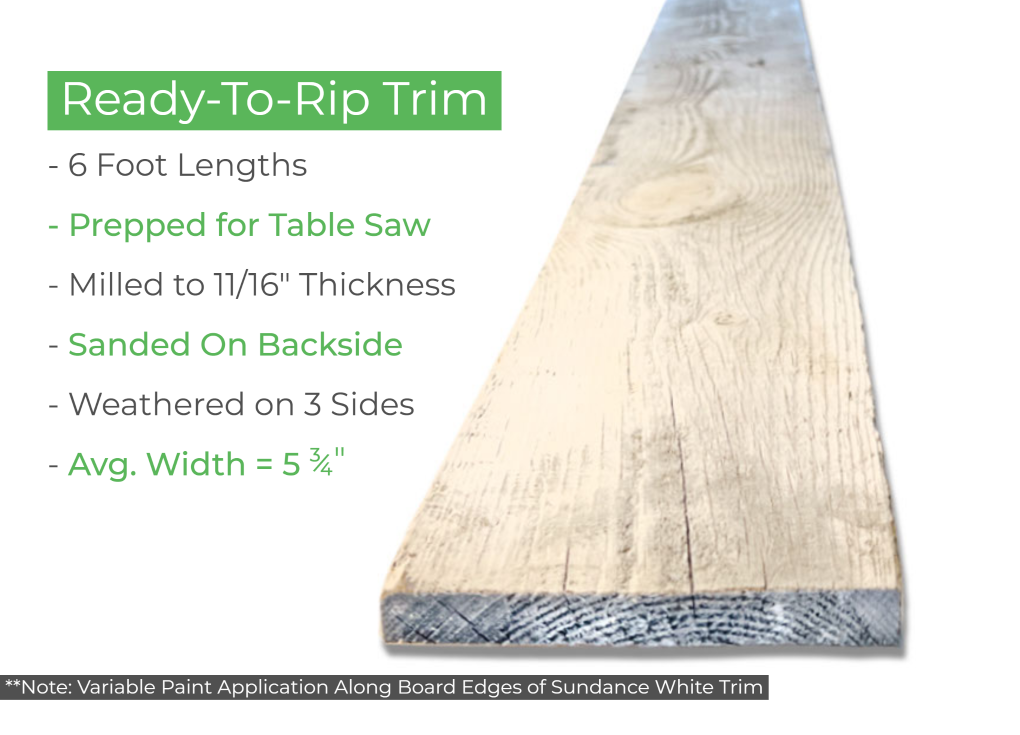
Trim details matter just as much as the siding itself, and a lot of people underestimate that. Reclaimed wood trim adds another natural layer to any project.
Planning Your Siding Installation

A siding installation that goes smoothly is one that got planned properly before anybody picked up a nail gun. Skipping the prep work is how small problems turn into expensive ones.
Here is what to think about before the project starts:
-
Plan before the first nail: Check local building codes, measure and order materials with 10 to 15 percent extra for waste, and choose your siding profile and pattern.
-
Measure the walls: Figure out the square foot coverage of your exterior walls and subtract your windows and doors. That gives you a real material estimate instead of a guess that leaves you short.
-
Prep the tools and wall: Gather the basics like a saw, nail gun, level, and chalk line, then set up new sheathing and house wrap and install trim and flashing.
-
Prepare the boards: Keep the siding uncovered but protected from rain and moisture, and let it acclimate onsite for at least five days before installation.
-
Prepare the surface: Start with a clean, dry exterior wall and follow local best practices. As a general rule, use furring strips every 16 to 20 inches with a rainscreen or moisture barrier behind the siding.
-
Secure the boards: Fasten the siding with stainless steel or ring-shank nails for a durable hold. For shiplap, follow the overlapping guidelines for the right fit.
-
Install step by step: Snap a level starter line, attach the starter strip, install the first row, then work upward row by row, cutting around obstacles and finishing with the top row.
-
Finish and protect: If your exterior calls for it, sealing or painting the boards after they go up can protect them from sun and moisture and may help the finish last.
Good preparation protects the investment and keeps your siding looking right for a long time. Cutting corners on the front end always costs more on the back end.
Centennial Woods: Reclaimed Wood Siding for Farmhouse Character
A great exterior depends as much on the wood itself as on the profile you choose. Centennial Woods reclaims wood from the snow fences that line hundreds of miles of Wyoming roadways, where they spend years keeping winter roads safe and open. After seven to ten years of sun, wind, and snow, those boards come down with a naturally weathered appearance, rich color variation, and a texture that only real time and weather can produce. For added protection, Centennial Woods offers Centennial Seal, which guards reclaimed wood siding against UV exposure and moisture by soaking into the fibers and creating a water-resistant barrier.
Reclaimed wood gets turned into siding that gives modern farmhouse exteriors an authentic, lived-in feel the day it goes up. It has a presence that makes people stop and take a closer look, and that is not something new lumber can compete with.
Ready to build a modern farmhouse exterior with real character behind it? Browse Centennial Woods reclaimed wood siding to start your next project.